
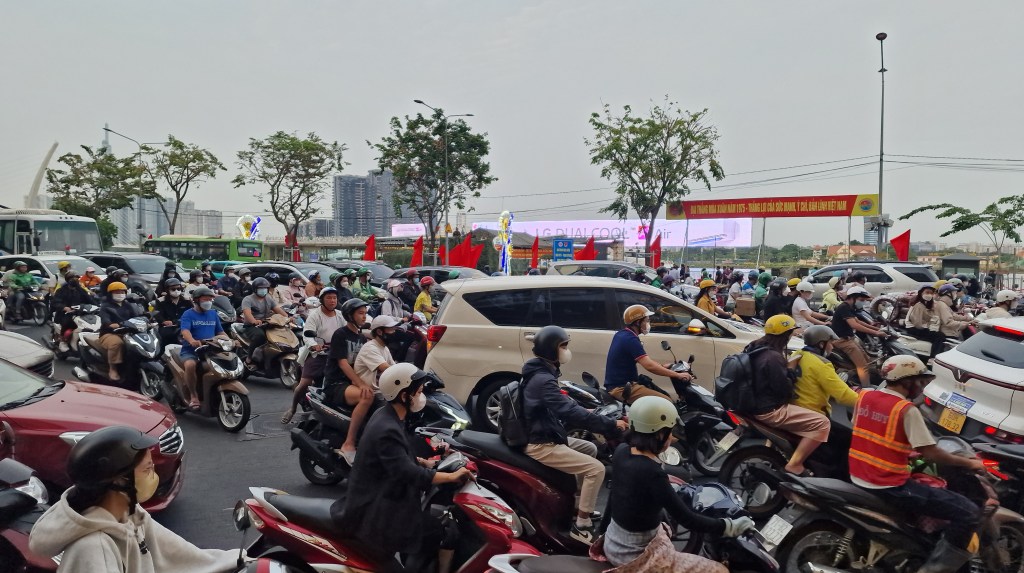
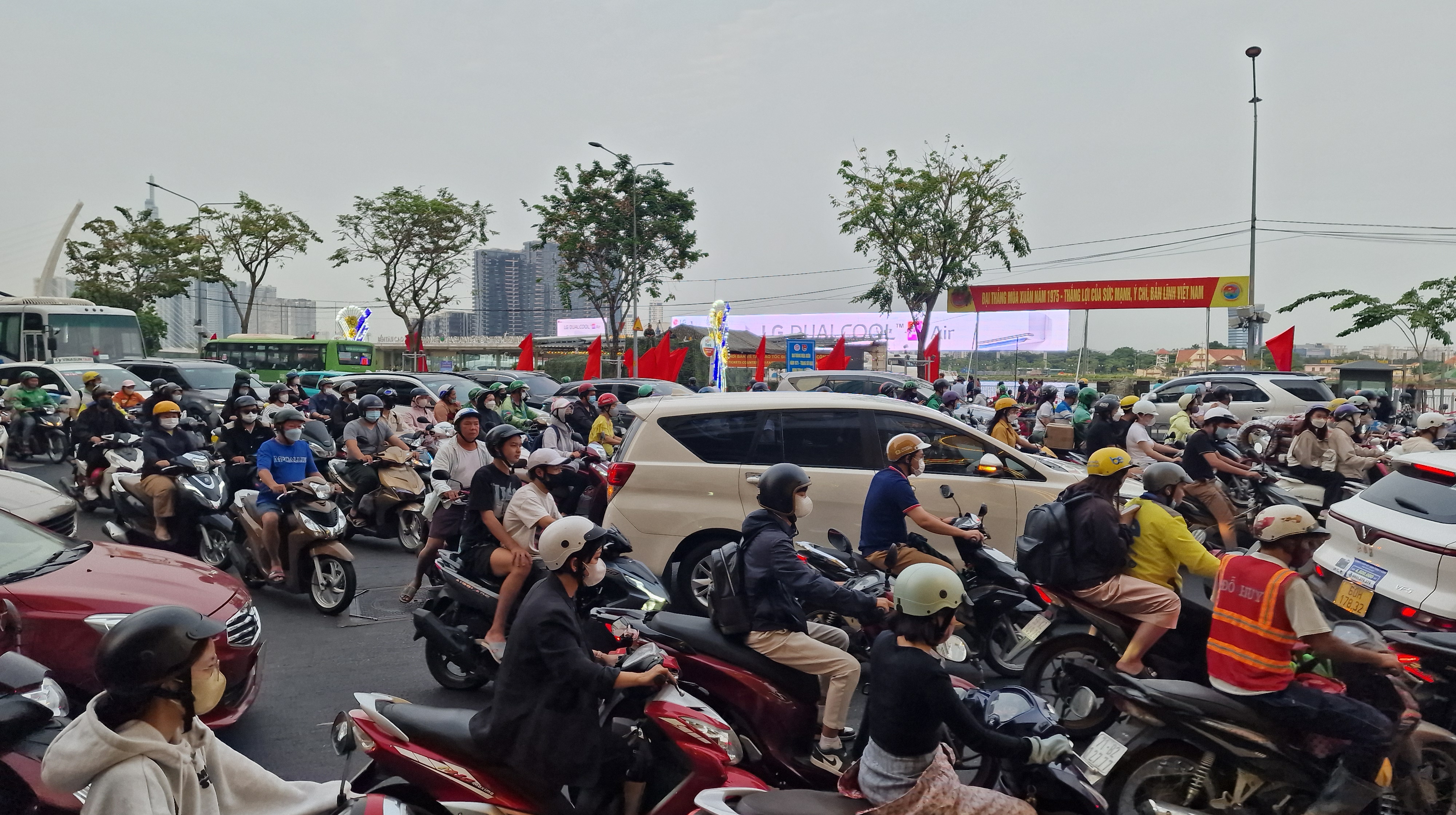
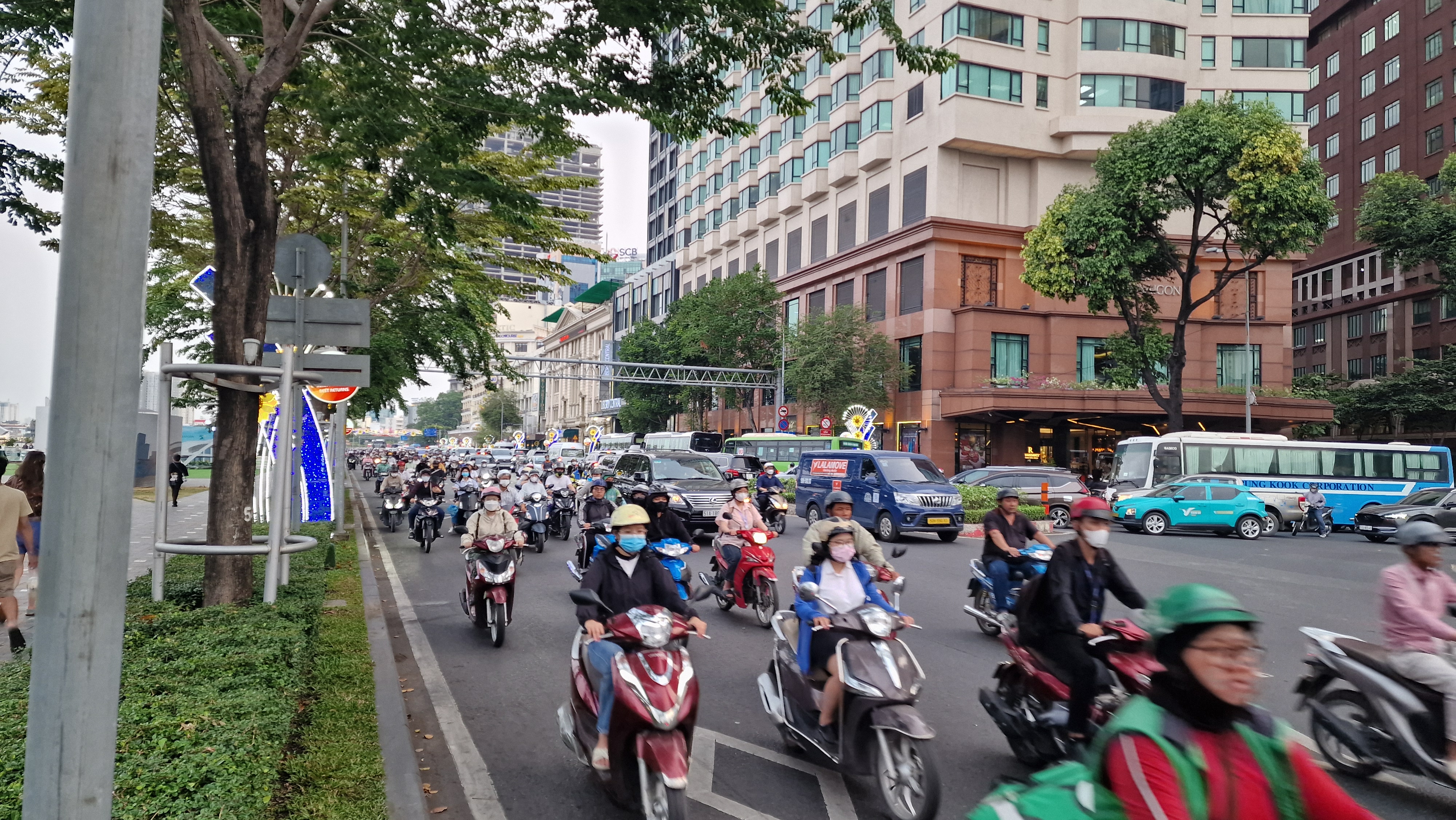
Helmetless, slider-wearing locals weave their way through a vast sea of other commuters, many dressed in smart business attire, ready for a day of work. Occasionally, one pulls over to one of the many tiny food stalls that line the side of the road, whilst others appear to be racing in a Vietnam Grand Prix every time the traffic light changes from red to green.
From the relative safety of an air-conditioned car, I notice how unbelievably normal this is to them. From unperplexed faces when someone nearly runs over another’s foot, to the family of four piled onto the same motorcycle, everyone seems unfazed and indifferent. To a Westerner, the traffic of Ho Chi Minh City appears to be uncontrolled, somewhat dangerous chaos, but to all those locals who dare to cross a ten-scooter wide road by simply putting their hand out, walking, and perhaps hoping, this is organised and standard. The calmness of commuters in Ho Chi Minh is a brilliant metaphor for the country of Vietnam. It may often seem mad and otherworldly, yet it is a stunning sight, and a brilliantly different version of normality.

A walk down the street
Major cities are often hives of activity and centres of life, yet Saigon feels like it has that little bit extra.
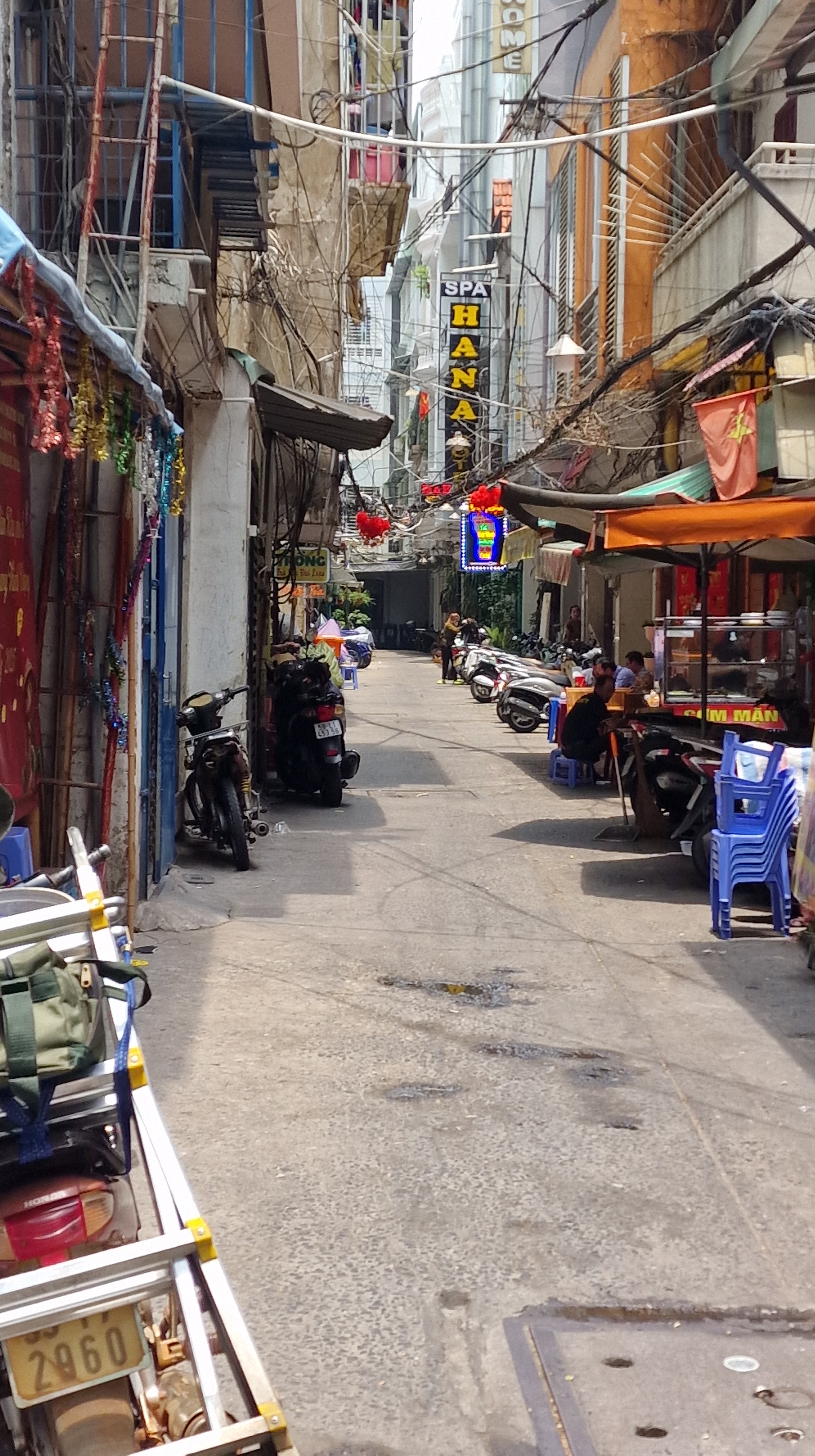
Other than the stifling heat, even a simple stroll down the street is a delight to the senses. Smells of freshly caught fish mix with rich aromas of traditional Vietnamese dishes, which are cooked roadside in small shops and stalls. Of course there’s the often overriding drone and horn-sounding of scooters, but thousands of voices fill the air, as many work-goers stop to eat breakfast, sat on tiny plastic stools on the pavement. It’s hard to keep up as everything flies by around me- people sit on the curb preparing their produce for the day, whilst scooters continually whizz past. Looking into buildings at the side, its a similar story of intriguing sights, as the entire bustling city ticks in beautiful sync.
Gentle early morning sunshine glistens down through lush green trees, as people enjoy the park’s relaxed atmosphere. This oasis in the concrete jungle isn’t what you’d expect in a city, yet there’s a strange air of tranquillity about it. Some people choose to use the exercise equipment, whilst others prefer to chill in the shade, but by far the most eye-catching activity comes from those playing the traditional Vietnamese game of “da cau”. One of the professionals quickly comes over to offer me a go- on one foot he wears a specialised shoe, but on the other he sports a slider, as he “likes the sound it makes when he kicks it”. Despite the foot-badminton game being considerably harder than it seems, this was a great example of the people’s hospitality- there was never even an offer for a paid lesson.
Ben Thanh Market
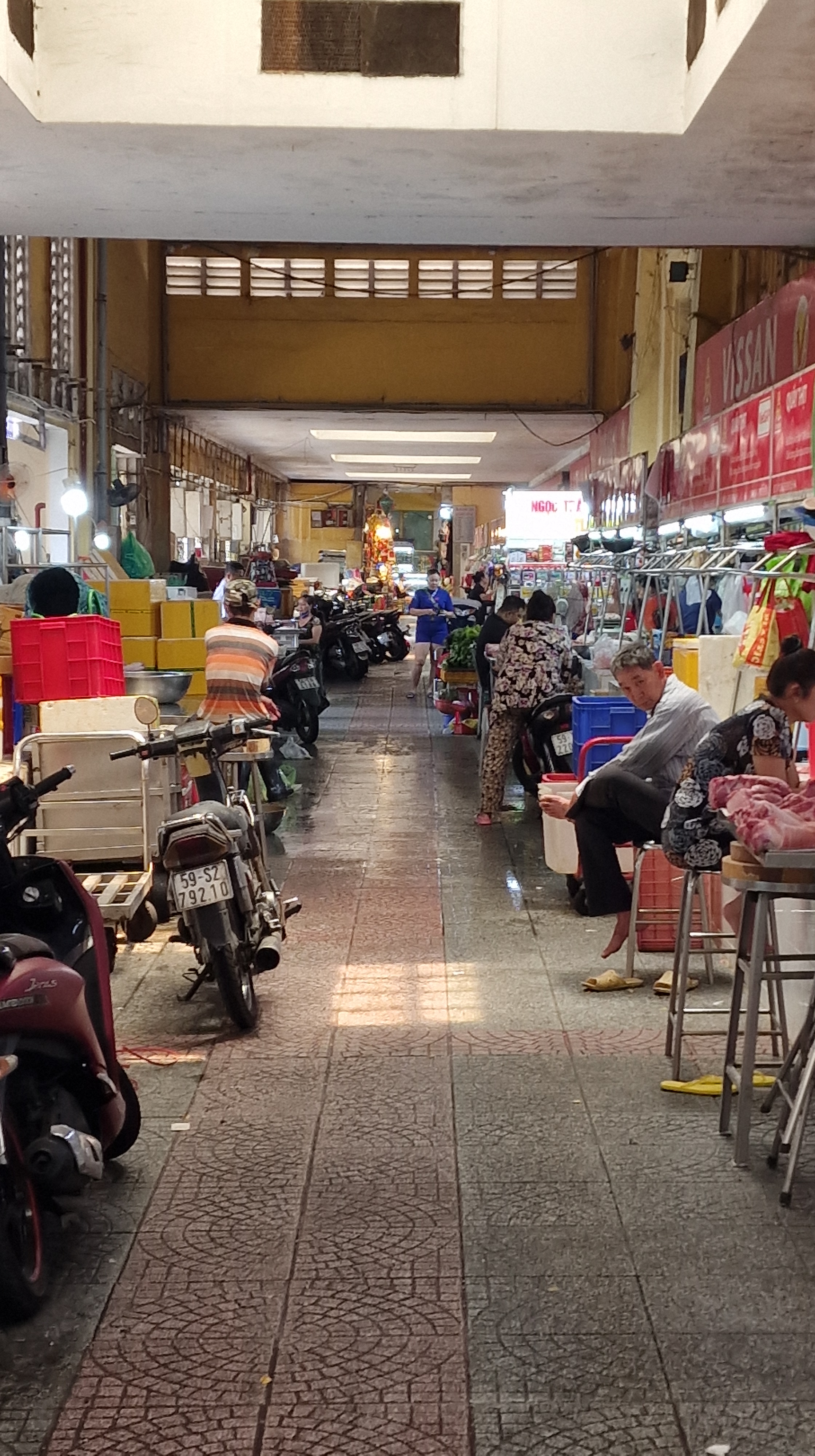
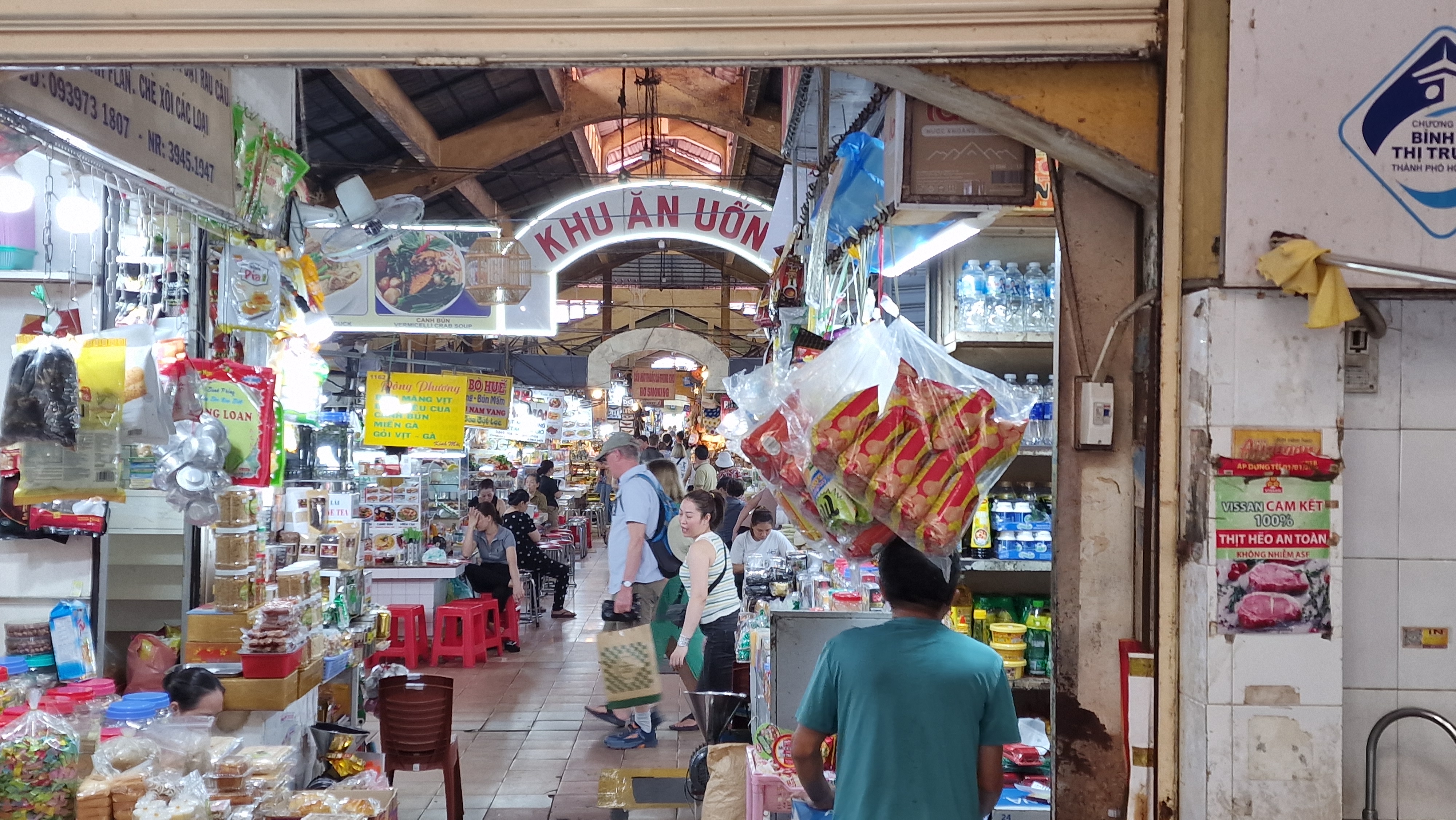
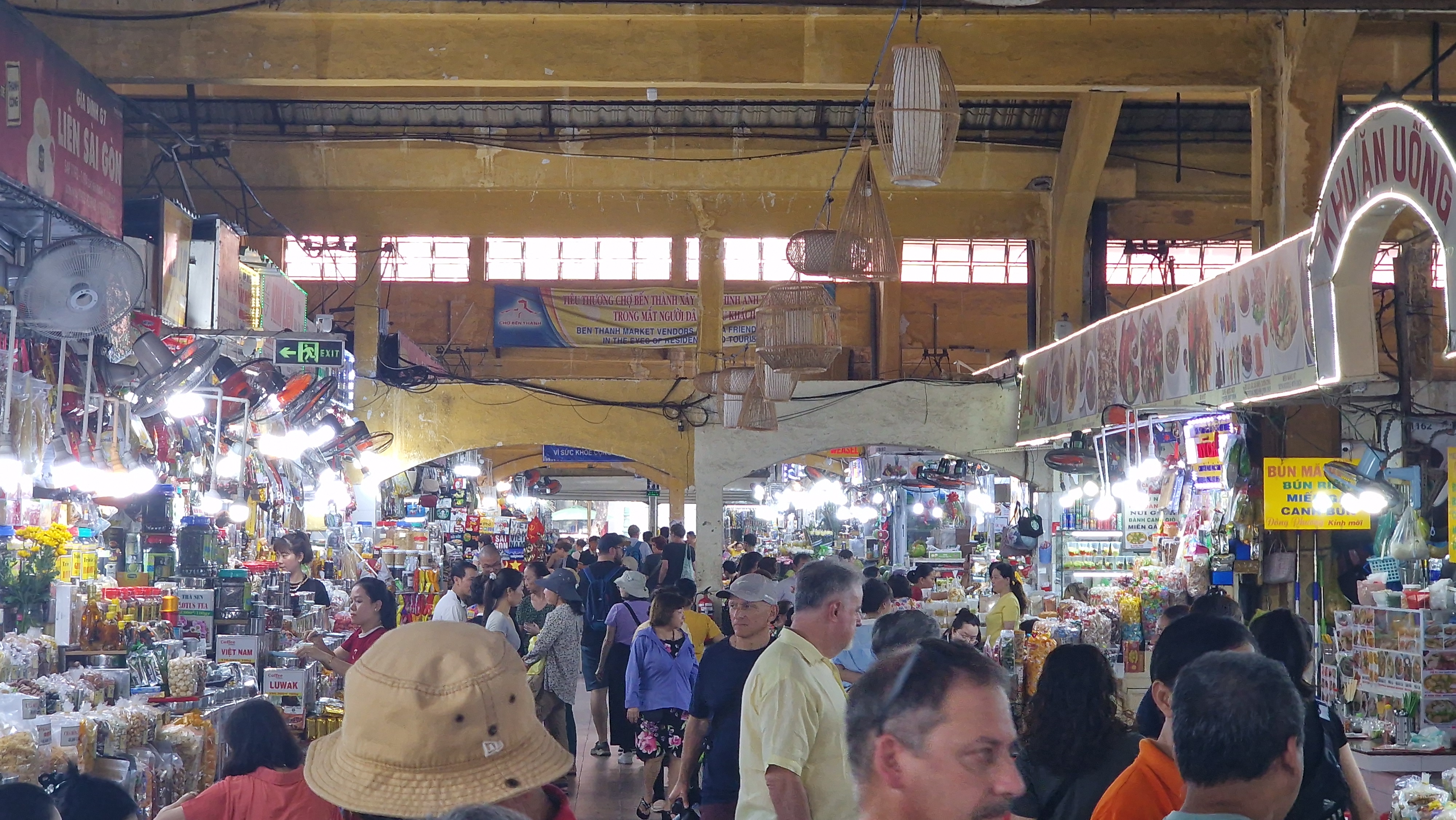
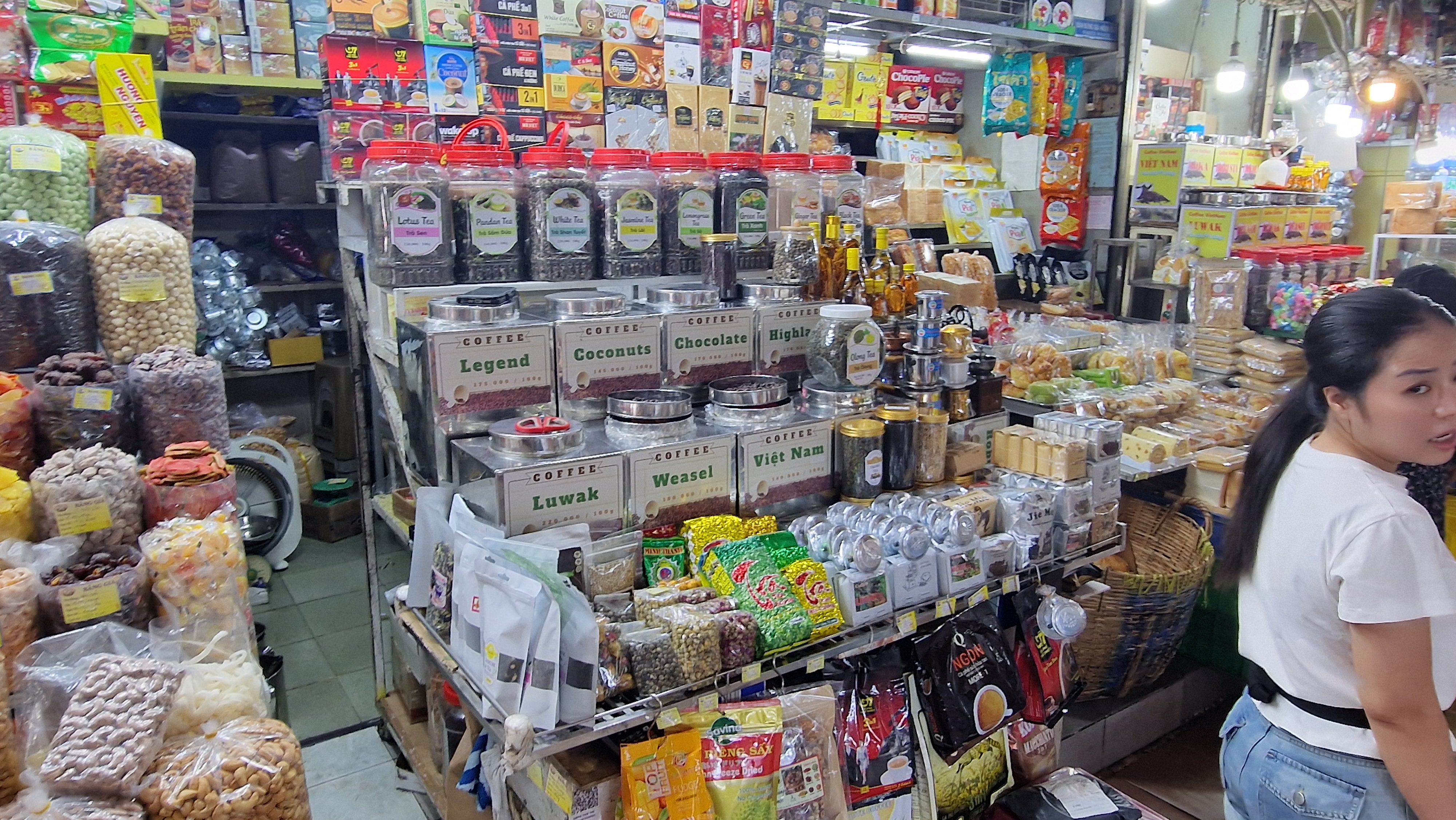
A great way to experience the true heart and soul of Ho Chi Minh City is Ben Thanh Market. With a rich history dating back to the 17th century, the indoor trade centre sells many things a tourist needs to sample. Rows upon rows of stalls fill the distinctive building, and offer ranges of products from your typical keychains and fridge magnets to fresh squid and eel. If you’re a vegetarian, it may be worth steering clear of that particular section, but it certainly offers an interesting insight to Vietnamese cuisine and the people’s livelihoods. You may even want to try a chicken foot or a scorpion.
If you’d rather try some food a little more inclined to the West’s normality (in terms of meat mainly), then there’s certainly not a lack of options. Buying a meal in Ben Thanh is a cheaper and possibly more genuine way to try the food of Ho Chi Minh, and the amount of vendors certainly covers much of the country’s cuisine. By far the best version of the famous “Bahn Mi” I saw came from an elderly local woman sat with big plastic containers of ingredients, on a rickety old table. An essential for many tourists when on holiday is souvenir buying, and Ben Thanh certainly isn’t short of that either. Admittedly, it’s pretty similar from stall to stall, but like everything in the country, products are extremely cheap, and if you’re bothered, they will haggle. It isn’t just fresh food sold in the market either, as you can buy coffee, spices and a range of other ingredients to take home and remember your stay with.
Saigon River Tour
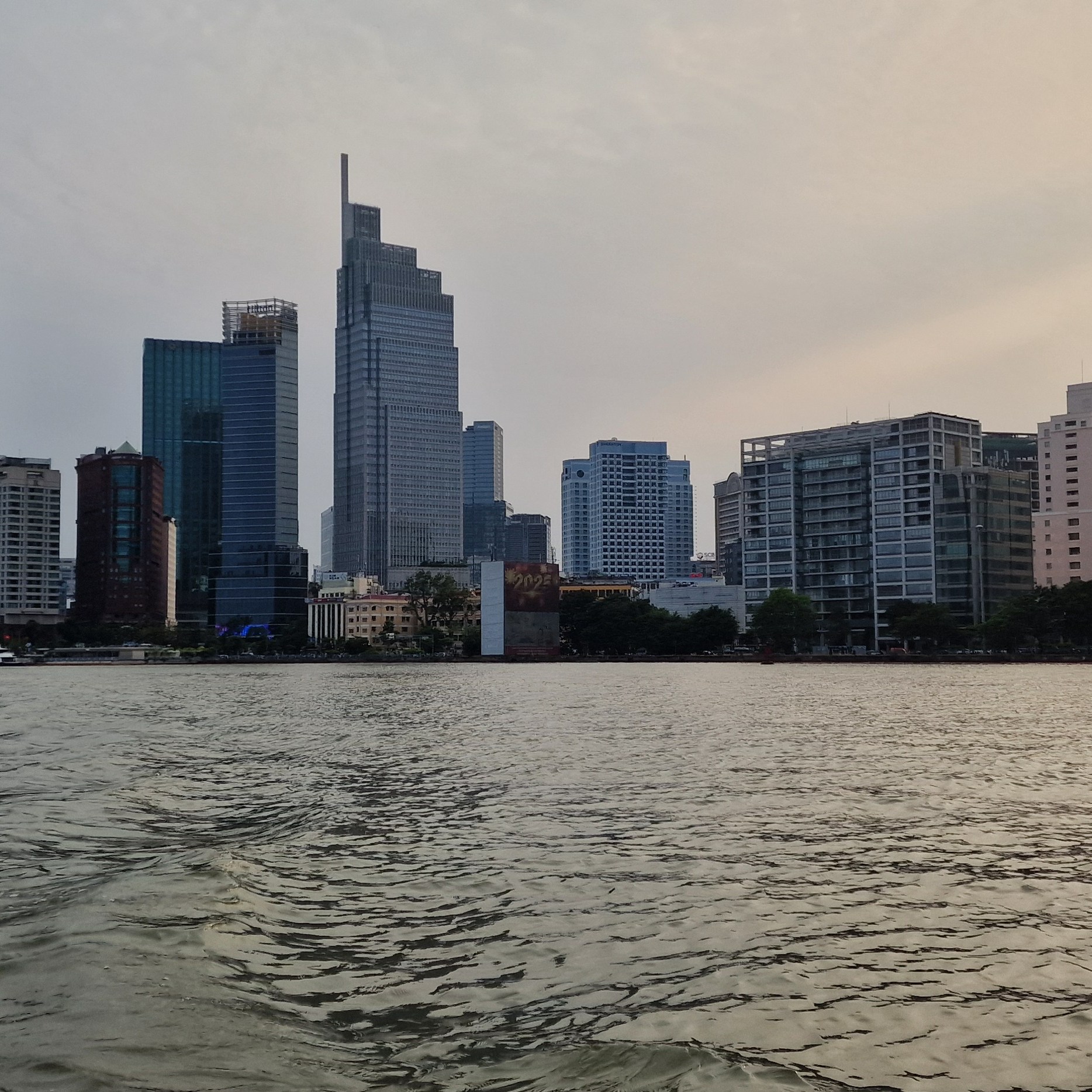
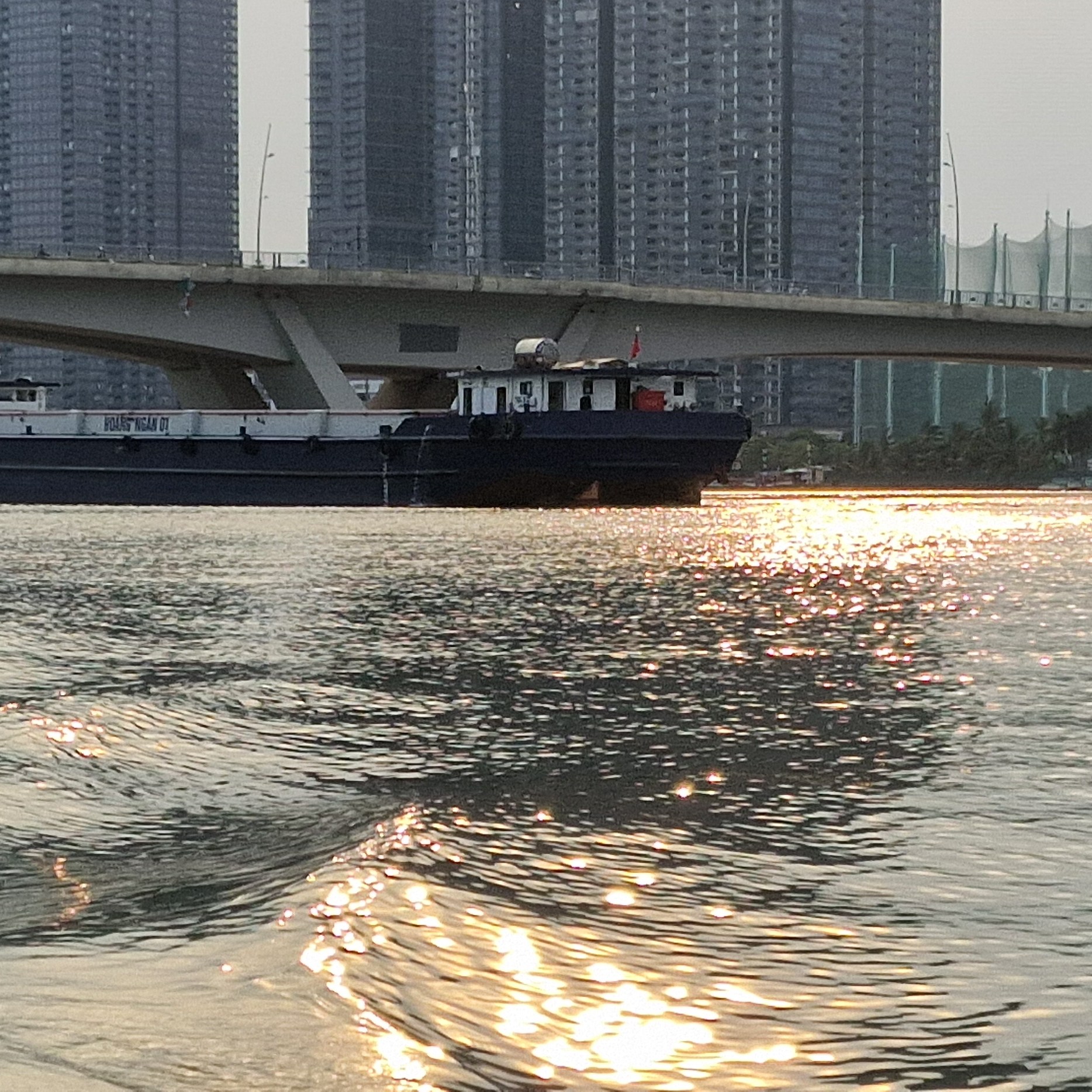
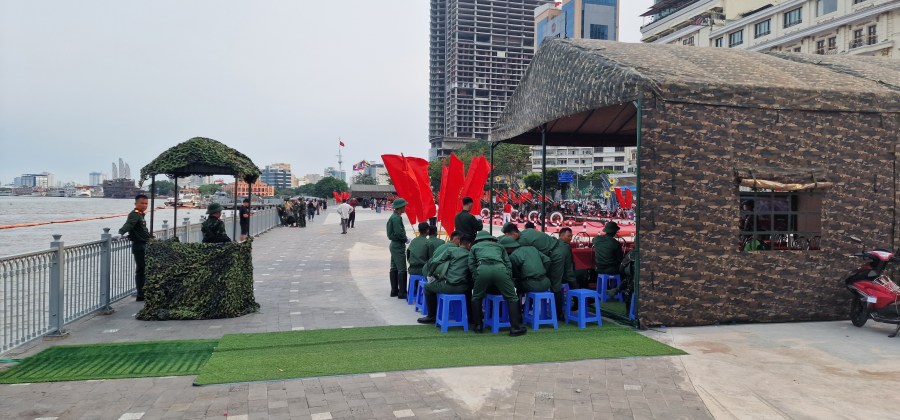
A fascinating way to see the different sides of Ho Chi Minh is by taking a boat trip down the Saigon River. My tour started in District One which is the most developed, modern and tourist-friendly part of the city. Immediately next to the mini-port was a row of green cannons and a group of men in army uniforms- it later transpired that this was in preparation for the upcoming Reunification Day celebrations. The trip I chose was called “1 Hour Saigon River Tour” and at the time of writing is 2nd on TripAdvisor for Ho Chi Minh boat trips. As soon as I’d stepped on the boat it was clear that it was a good choice. It’s smaller than many options, allowing for a smaller-sized group, and the boat itself is made from wood and more traditionally Vietnamese than others. The guide was full of information about the sights from the river, and it was very interesting when he explained to us that he had moved to Ho Chi Minh in early adulthood, as it is seen as the place to be in Vietnam for young individuals who want to make a name for themselves.
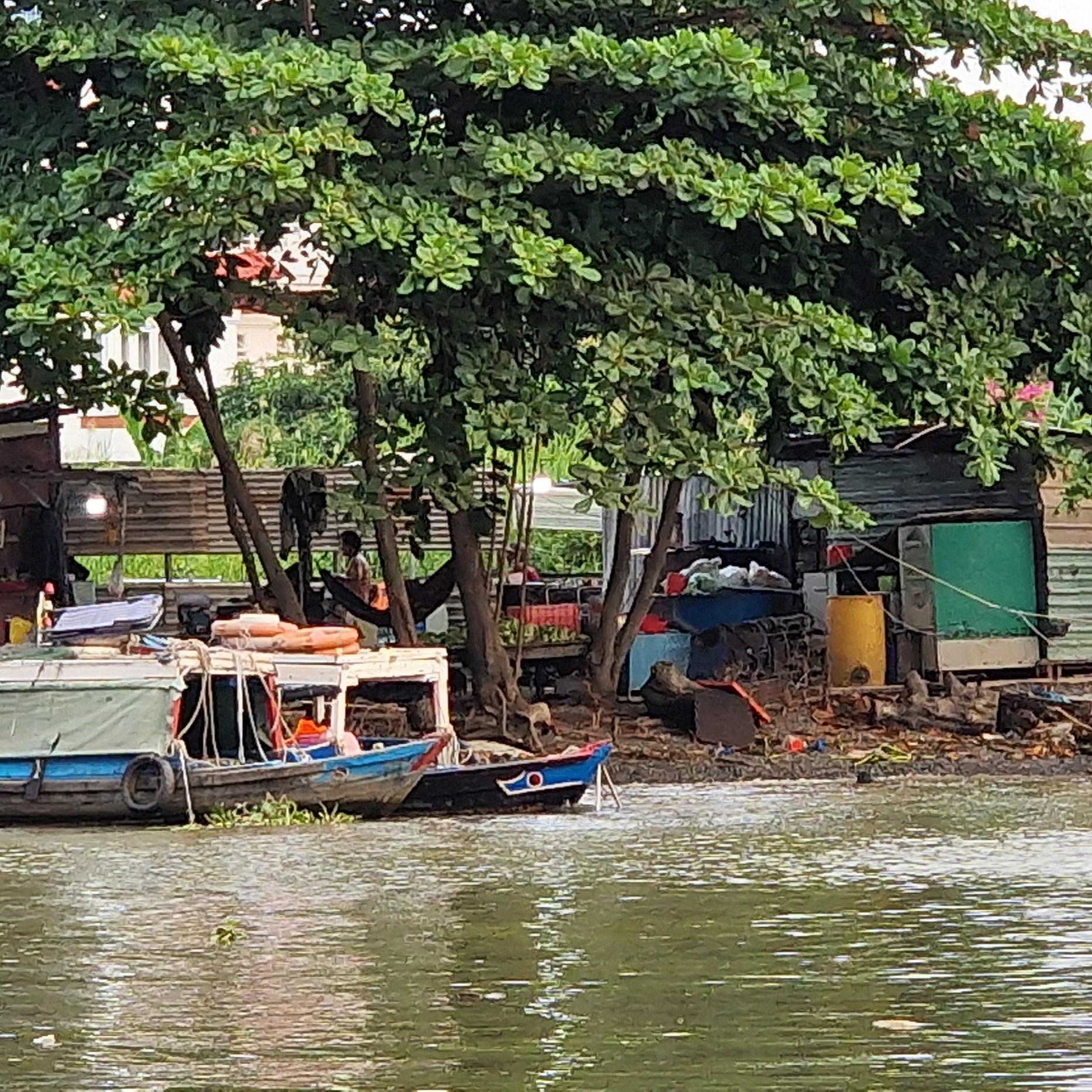
Despite this, it was on the river tour that I realised that Saigon is a city of great contrast. Vietnam’s rapid, less than half a century rise from a struggling war-torn nation to one of the high-potential countries on Asia’s exciting economic scene has picked up many to riches, but left many others behind. This was very clear in District Two. An exceptionally green area of the city, modern expensive-looking apartment blocks rise from the trees. Our guide told us that most rooms cost between 500k and 1m US dollars. Yet on the river front, people live a much simpler life in tiny wooden shacks with little rowing boats, which are dwarfed by the huge wooden ship that houses a 5-star restaurant on the District One side of the river.
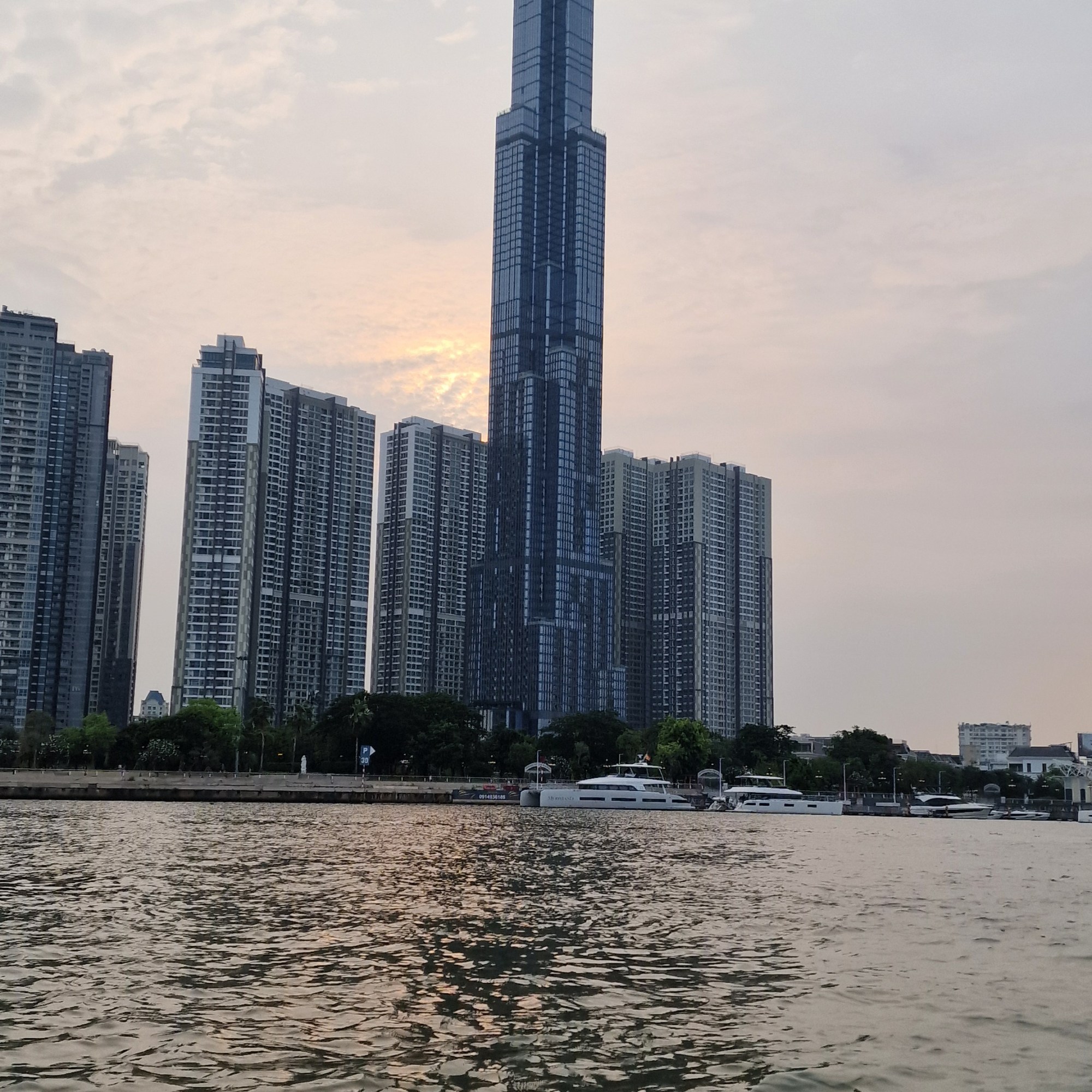
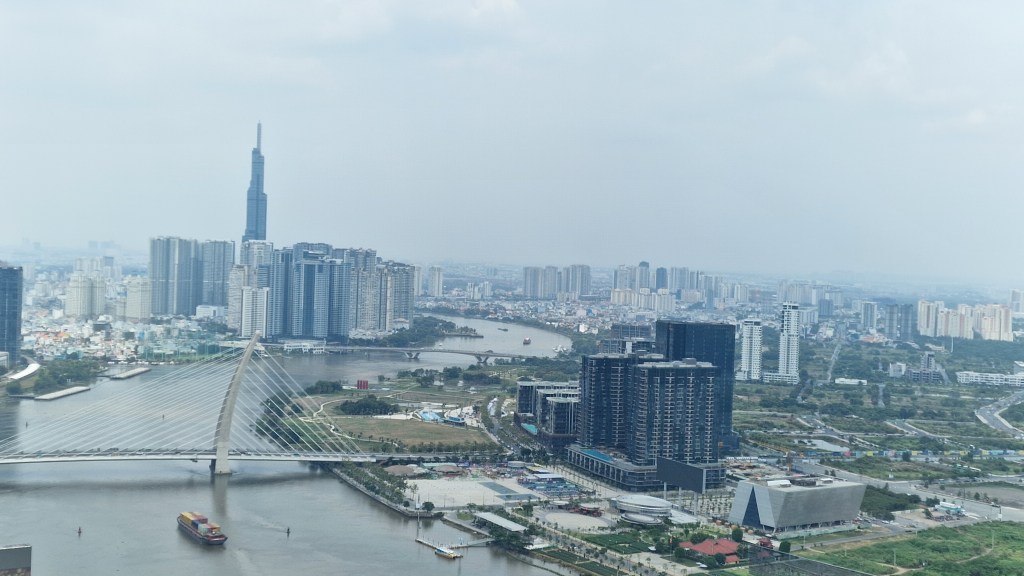
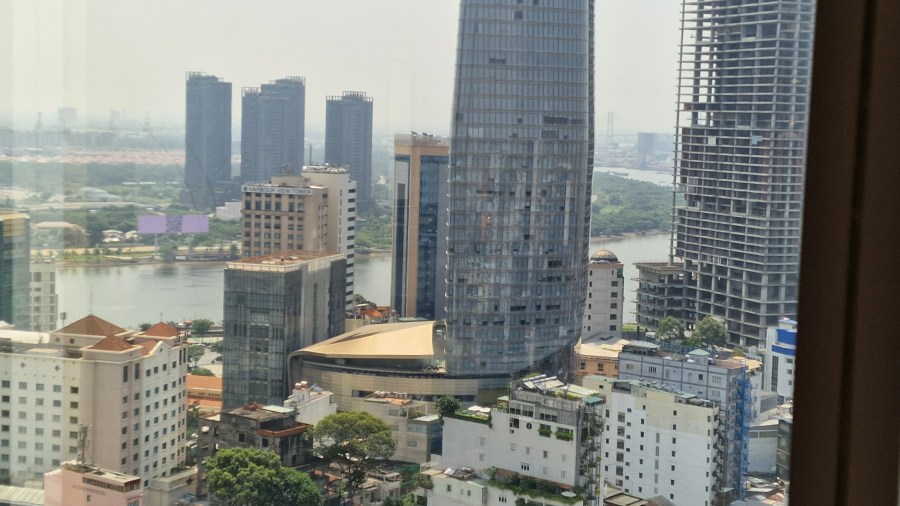
Later on in the tour, we arrived at Landmark 81, the tallest building in Vietnam and the 17th tallest building in the world. A staggering feat of engineering, the skyscraper is owned by Vinhomes, who are a huge real estate company, and would come up in many different conversations during my stay in Phu Quoc. Their owner, Phat Nhat Vuong, lives in a penthouse at the top, and is the richest man in Vietnam- impressive for a guy who started out selling instant noodles in Ukraine. Taking the gloss off the landmark slightly however, was that in amongst other fancy-looking apartments were more tired, less attractive ones. We then returned to District One, where everything is a perfect blend of well-kept older buildings and modern new “statement” ones. Don’t take this part of the blog the wrong way, as the boat trip was a captivating, eye-opening experience, but it highlighted to me that there are sides and skyscrapers of Ho Chi Minh that the government perfect and very much want outsiders to see, whilst there are parts that still lag behind others, and people that live very different lives to the people who look down on them from towers (literally). Yes my guide was correct in saying Saigon is a hub and dream for Vietnam’s younger generation, but there’s still very much a negative footnote to that sentence.

Bitexco Financial Tower
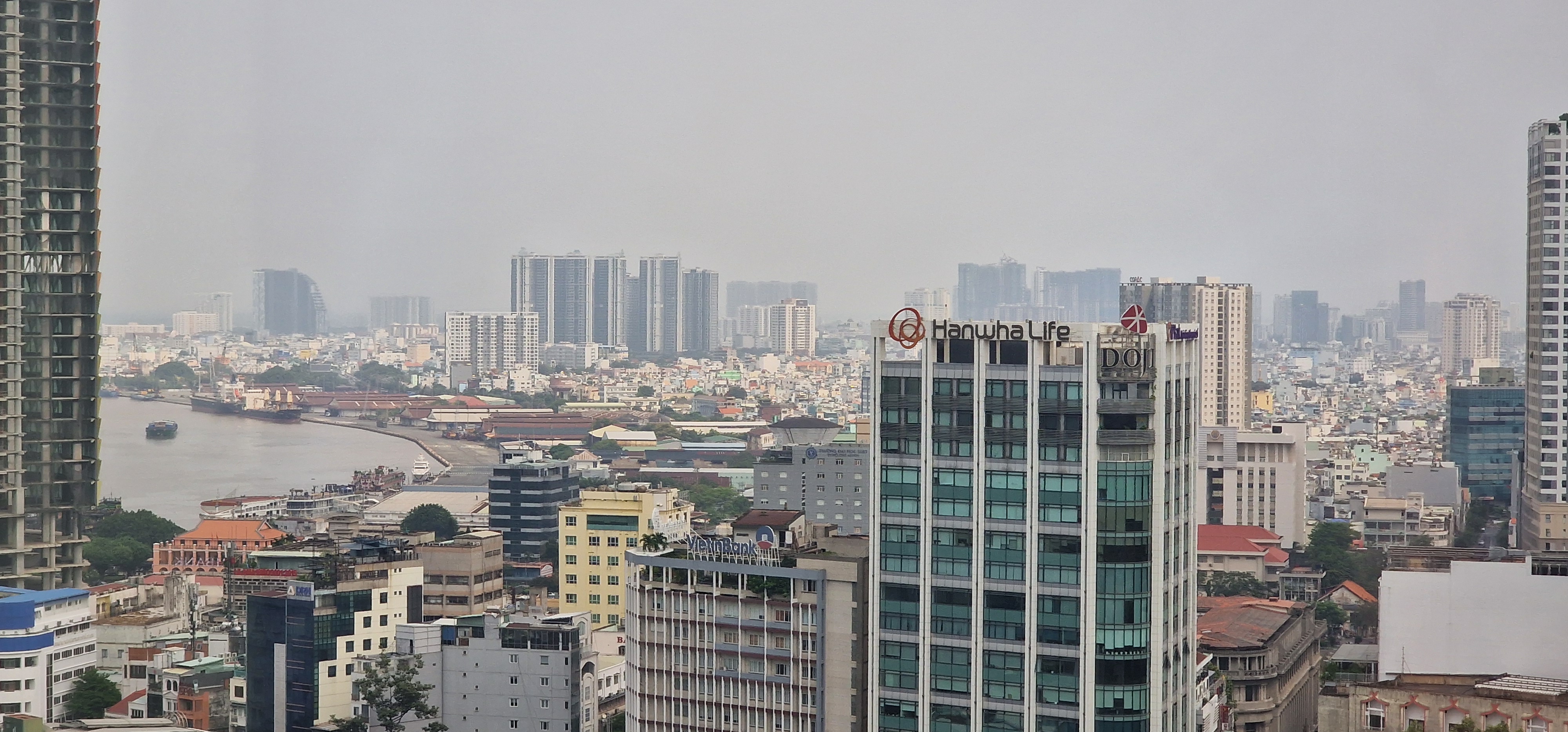
Most world-class cities have stunning and iconic skylines, but seeing one from above is a completely different experience. Admittedly, it’s a shame you can’t see the magnificent Bitexco Financial Tower (once the tallest building in Vietnam) when you’re at the top of it, but a view from the sky would change your view of Ho Chi Minh.
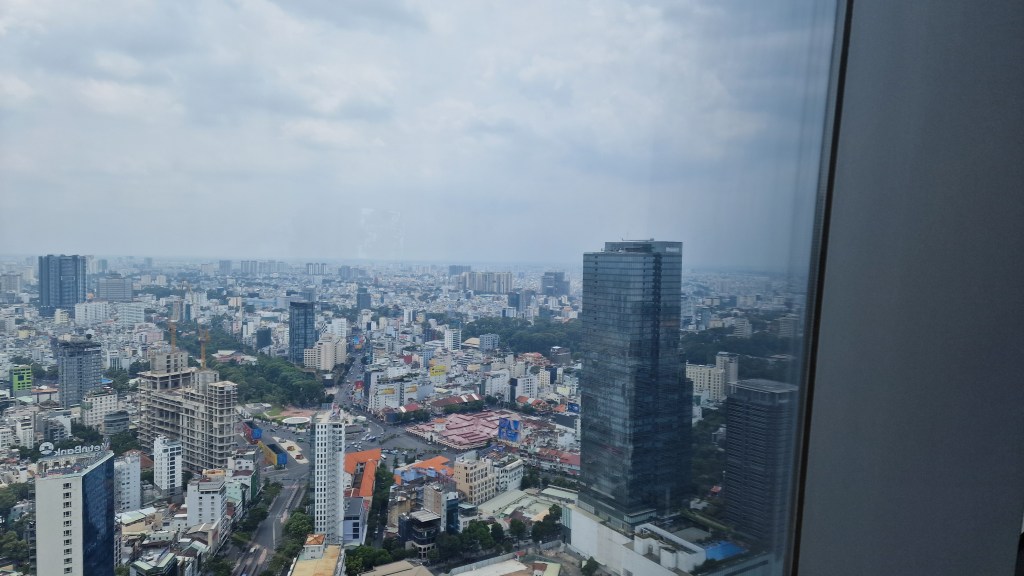
A visit to Saigon Skydeck may not be best for those afraid of heights, as even the criss-crossed escalators to the floor where you then take an elevator to the viewpoint might make some feel a little sick. However, if your willing to brave the dizzying heights (there’s a big pane of glass between you and outside anyway), a trip to Floor 49 is certainly worth it.
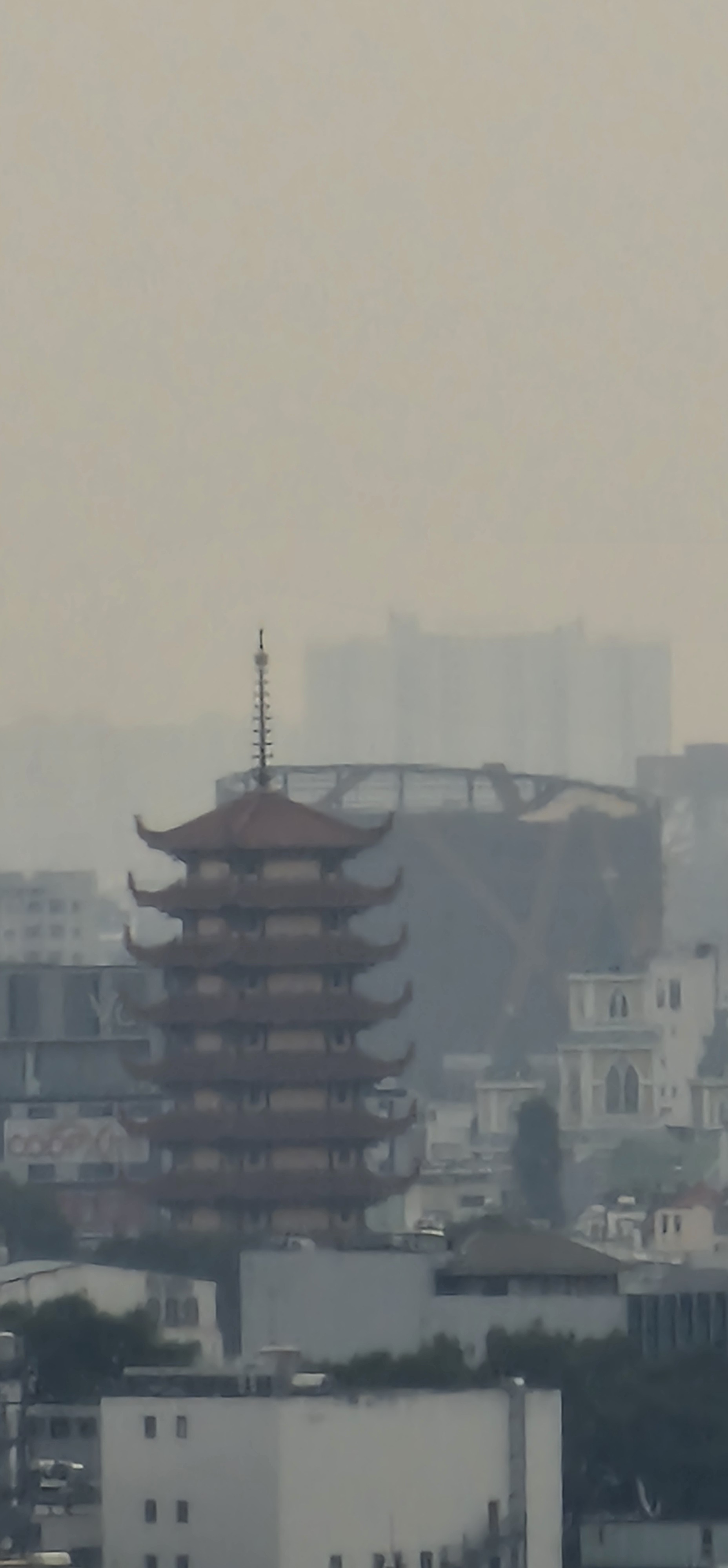
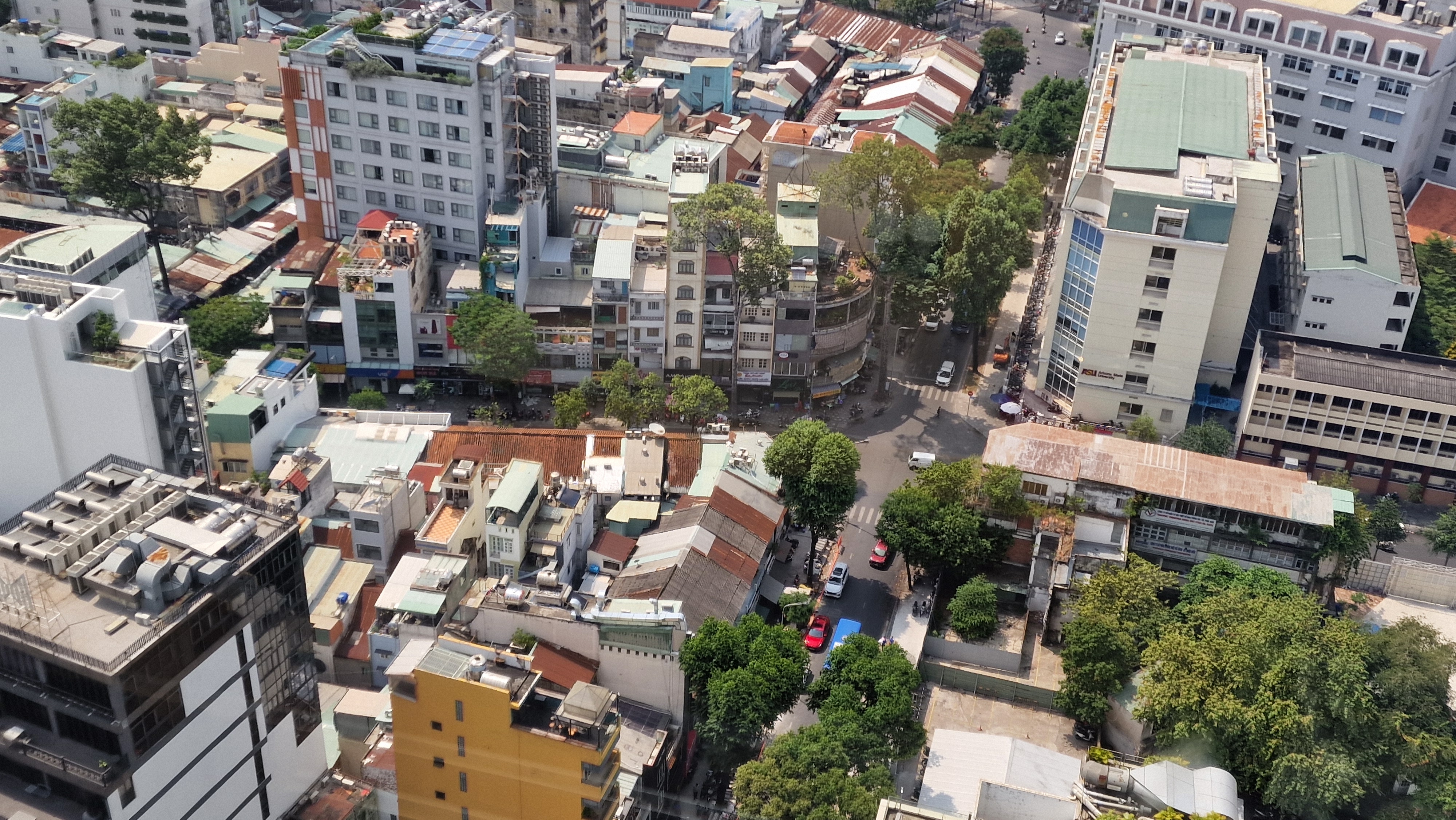
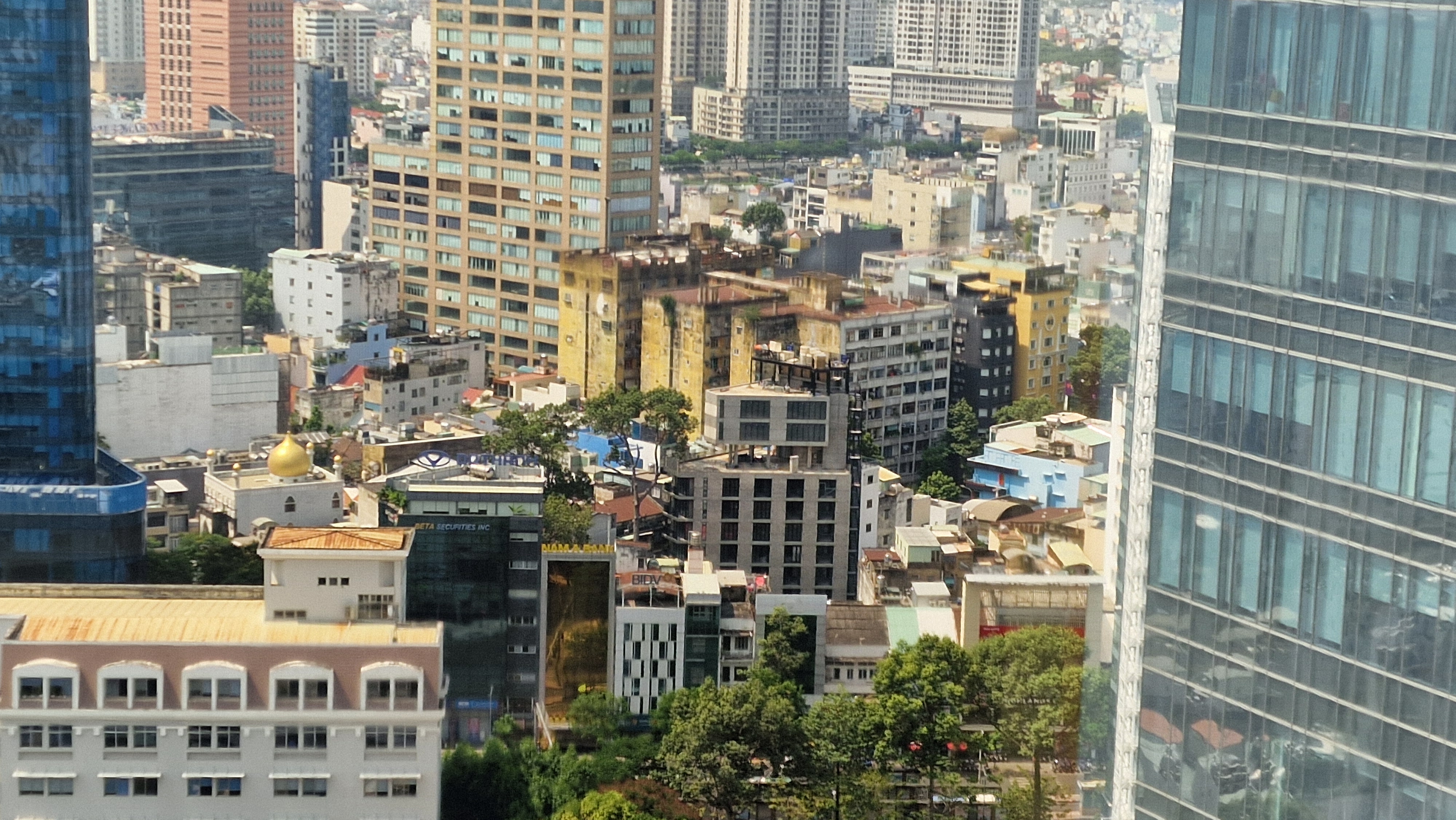
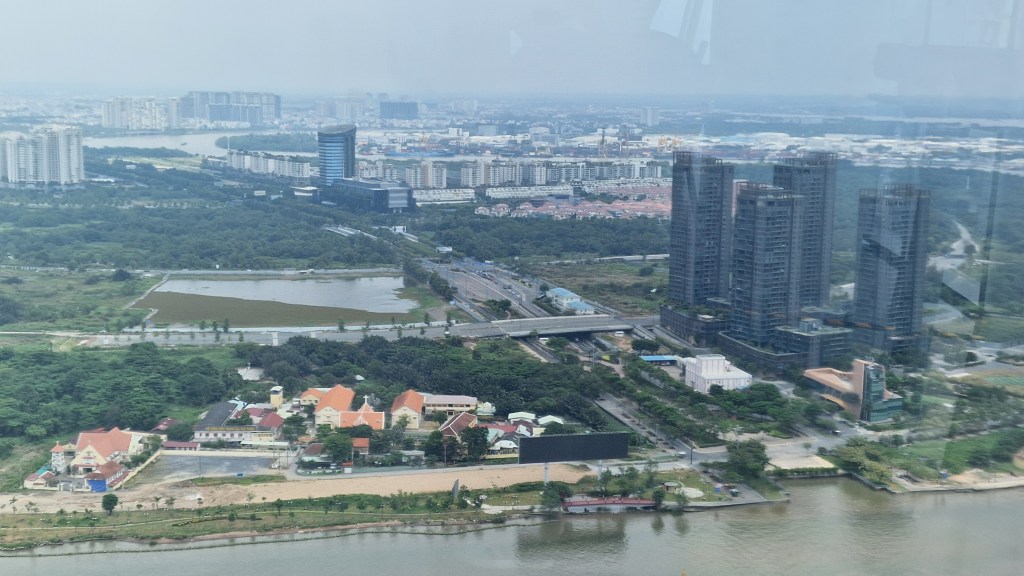
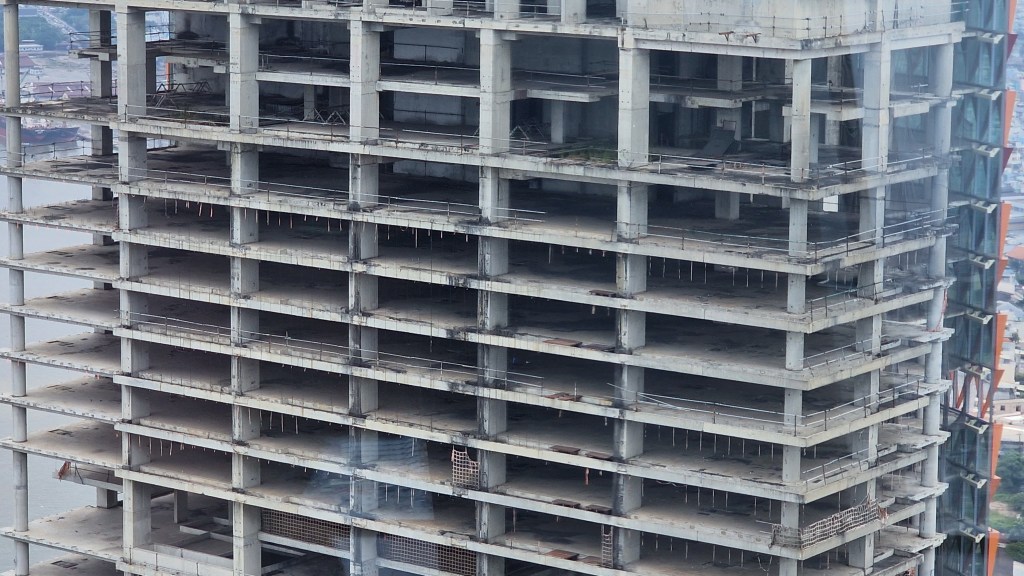
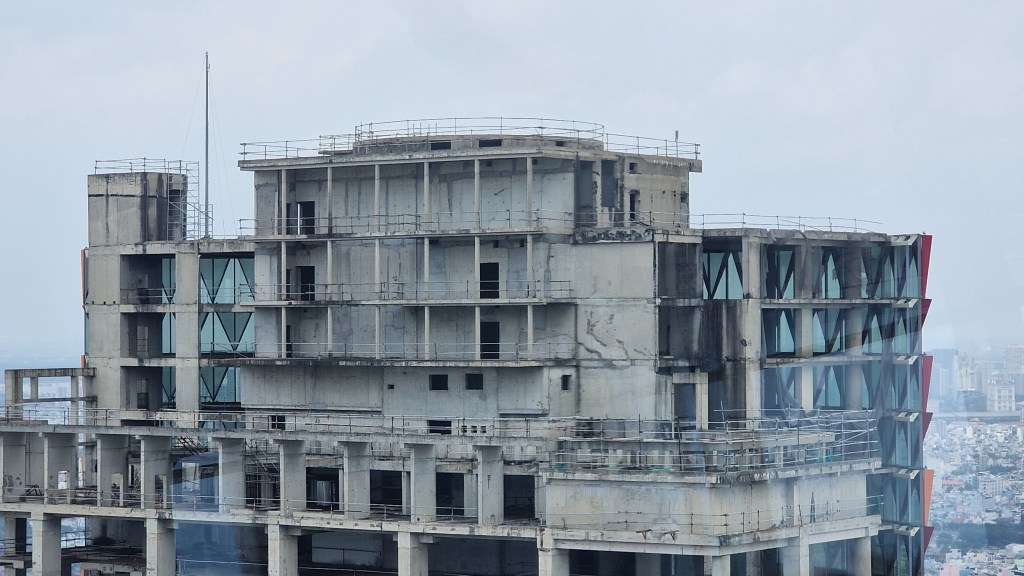
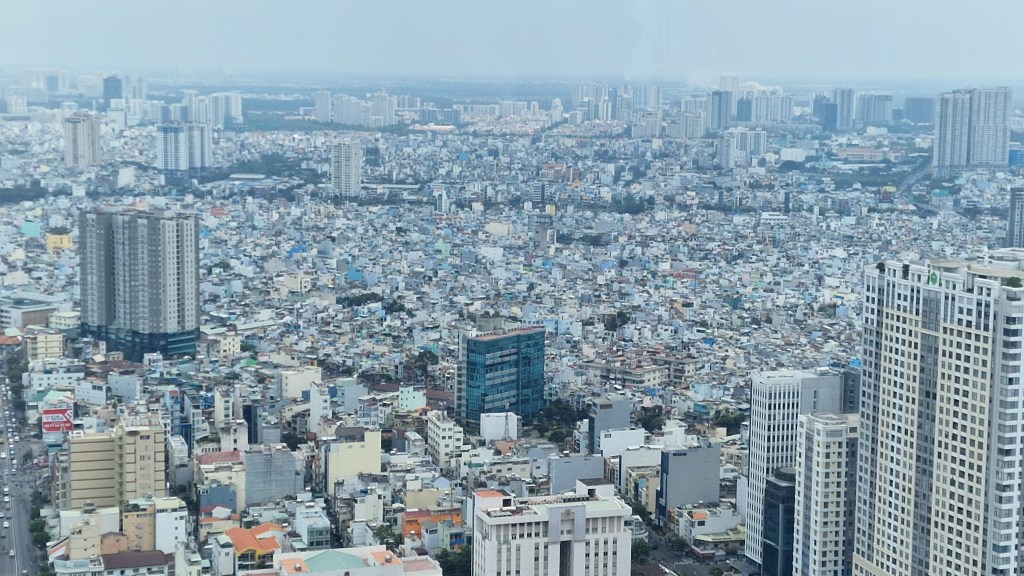
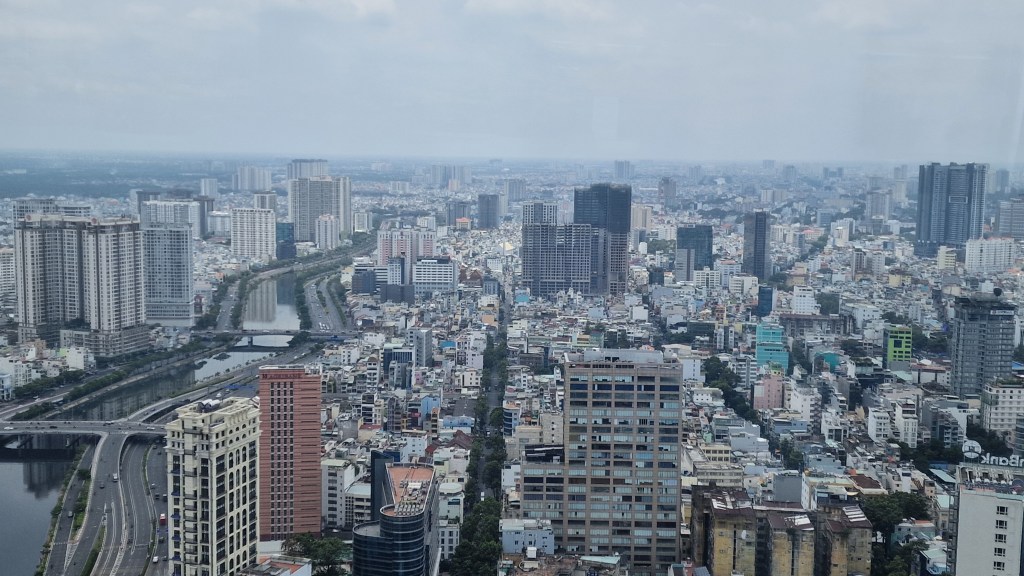
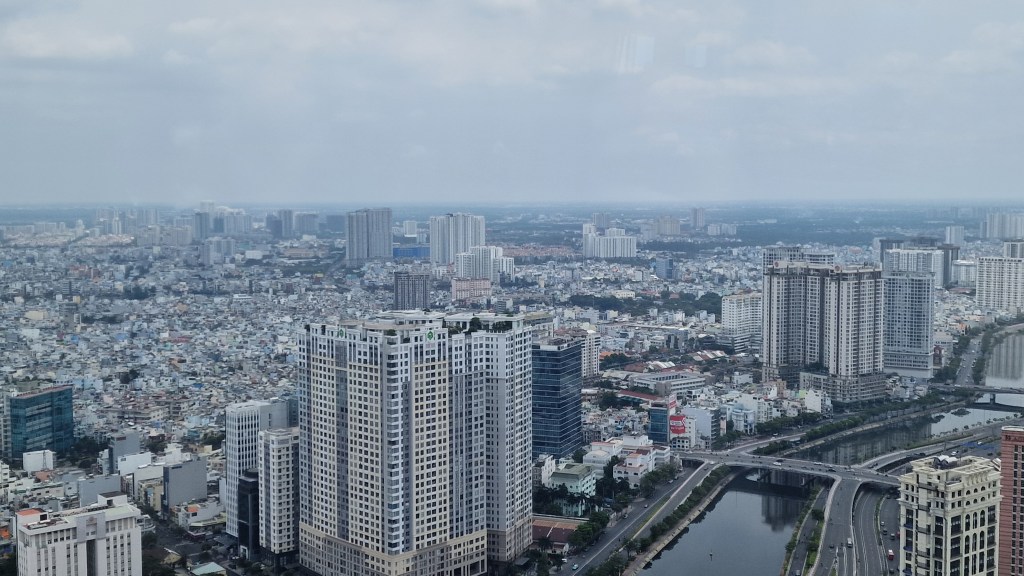
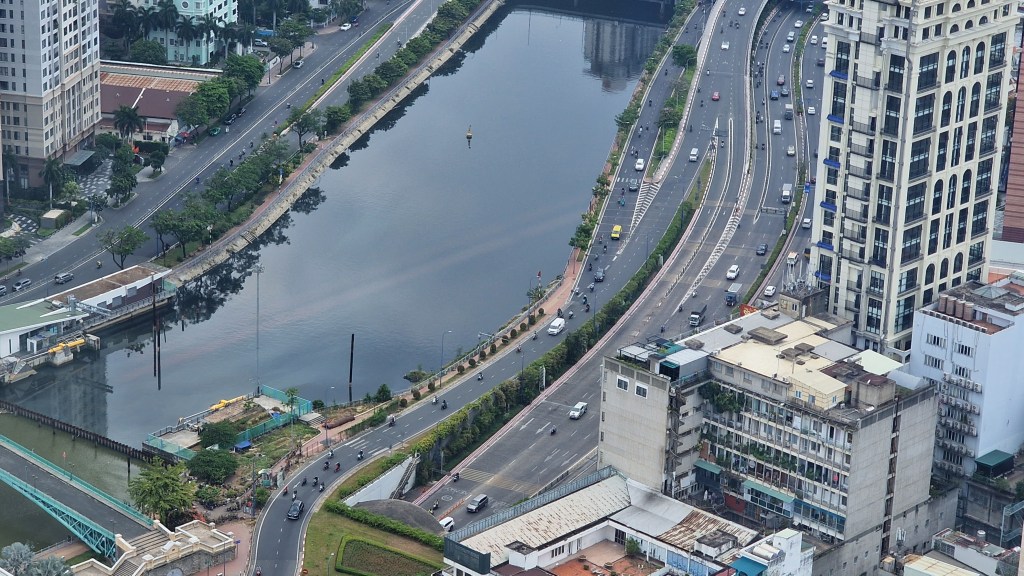
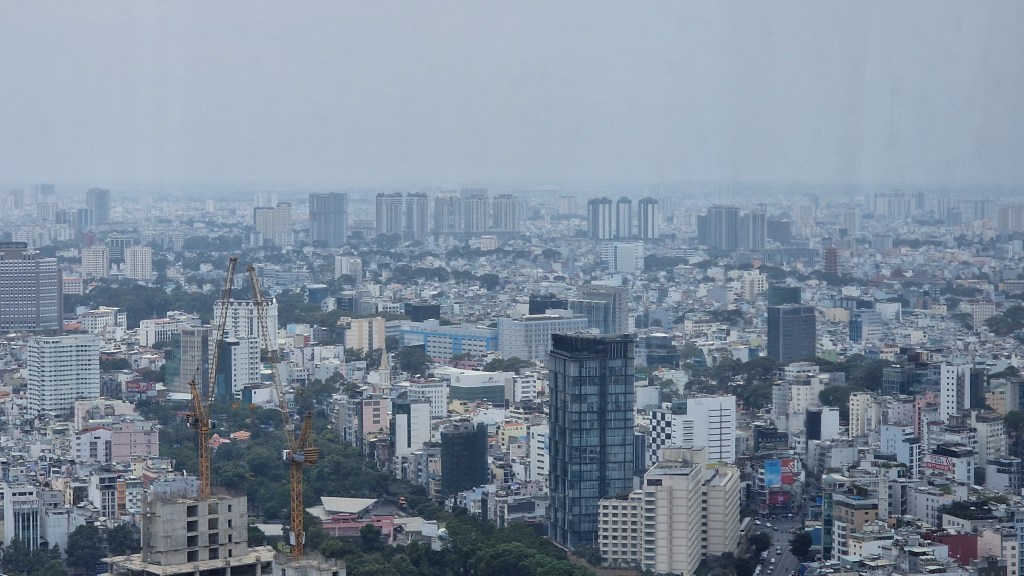
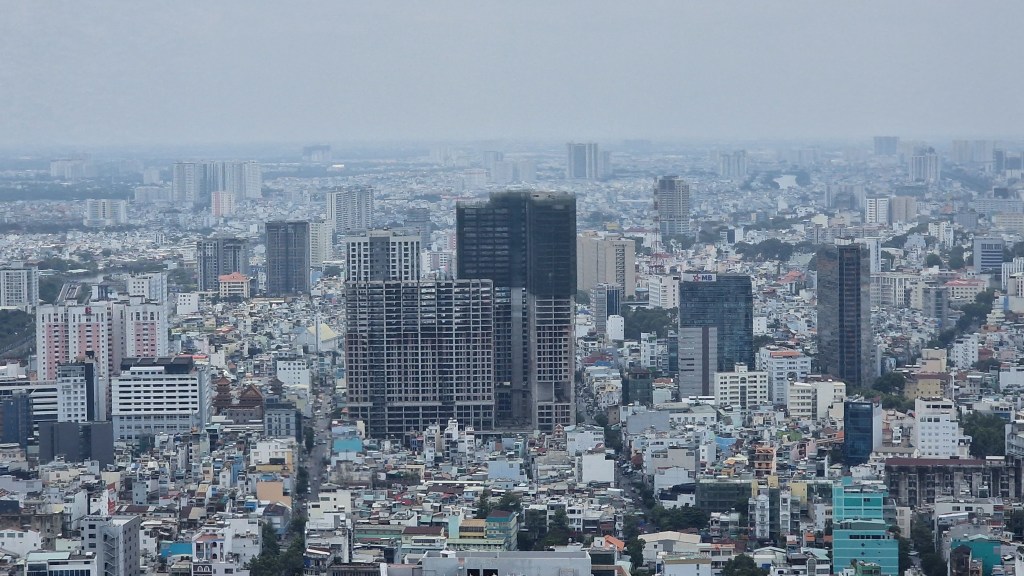
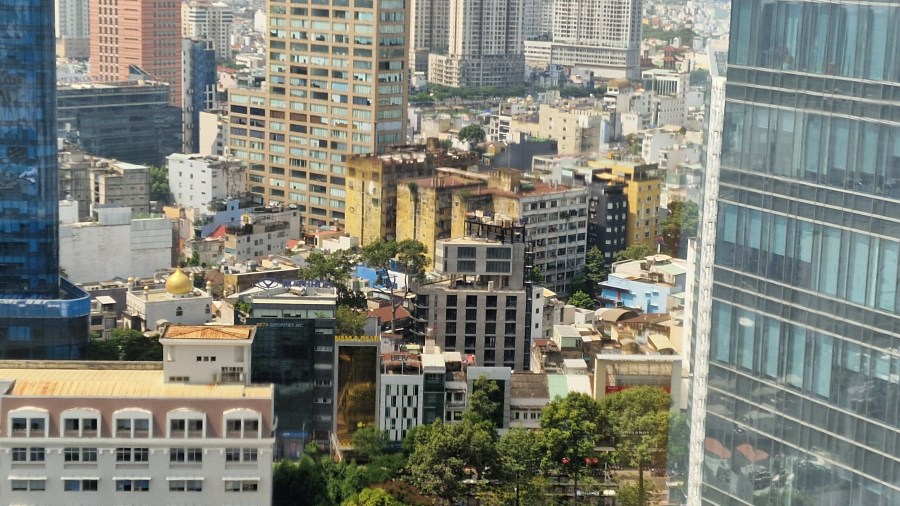
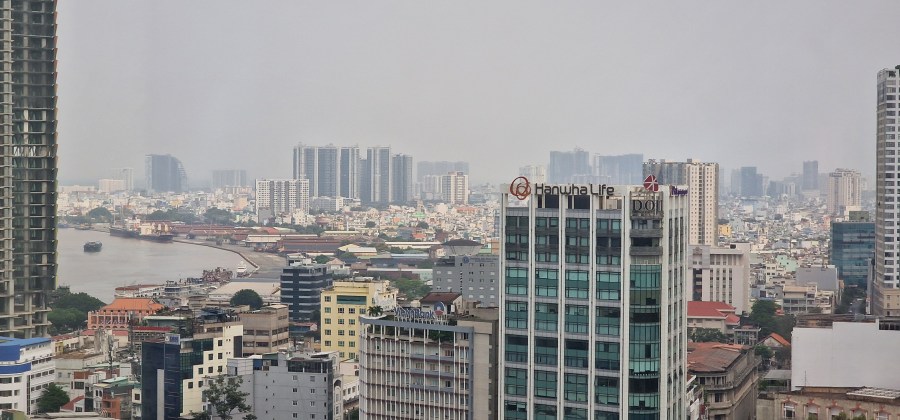
From the panoramic view you can see many of the city’s other skyscrapers, including Landmark 81, and a close up look at the curiously uncompleted Saigon One Tower, which has lied unbuilt since the 2011 Housing Marketing Crisis after years of mismanagement. You can also get a rare glimpse at the swathes of cookie-cutter houses towards the outskirts of the city, and other more tightly-compacted residential parts of Ho Chi Minh. There’s also a view of the Saigon River, but a stunning sight of how the roads flow with people and vehicles is available as well.
Finally, you can spot some of the metropolis’ older architecture in the form of buildings like Saigon Central Post Office, the Notre Dame Cathedral and Ho Chi Minh Hall. Saigon Skydeck in the Bitexco Financial Tower provides an unique outlook on Hi Chi Minh, and allows you to see and notice things that the eye can’t see on the ground.






As I sat in the taxi to the airport, I began taking in Ho Chi Minh for one final time. The road chaos felt a little less chaotic. The sheer volume of motorcycles felt a little less strange. Saigon’s vastly different normality is one that’s incredibly easy to get used to and extremely easy to love. Even if you lived in the city, I have no doubt that you’d still see captivating new sights every day.
In truth, it’s a shock to all five senses to a visiting Westerner, but an invigorating one. The locals will happily welcome you, and look after you greatly whilst you’re in the city, however it’s the ability to peer into their fascinating lives that I’m most thankful for.
Vietnam is a country which still faces great challenges, yet it’s a hugely exciting rising star as well. Ho Chi Minh is an extraordinary emblem of that statement. It’s a place of great contrasts- not just from towering skyscrapers to riverside shacks, but from the concrete jungle to the city’s beautiful lush green areas. It’s a place incredibly different yet comfortably so to what we know. It’s a place that I’d recommend to anyone to visit.








 Your World Explored
Leave a comment