
Introduction
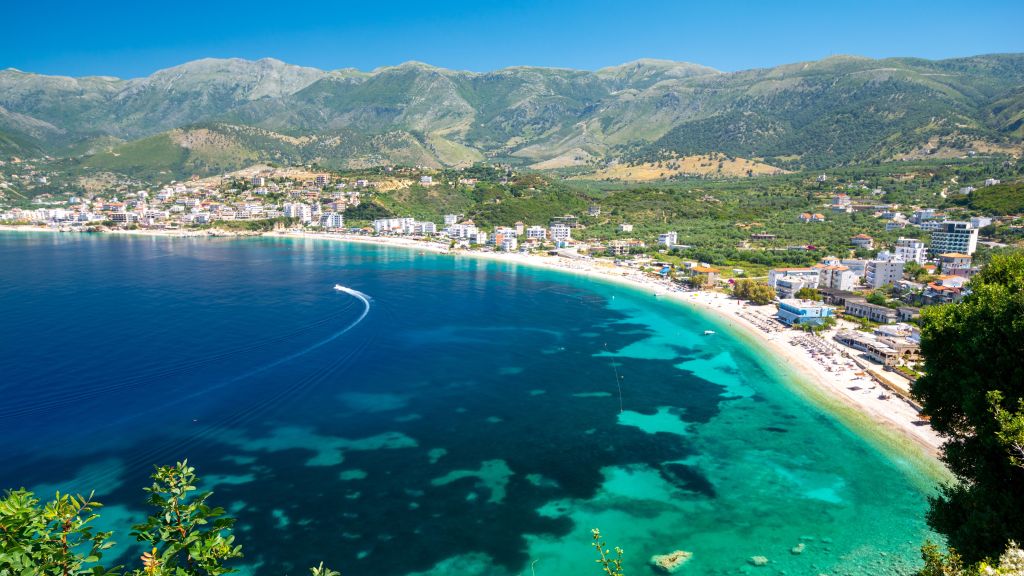
In an internet-centred modern age, where you can reach just about anyone on the planet, I find it a little bizarre that a continent like Europe still contains areas vastly undiscovered by those how live outside of them. In the case of Albania, it’s a whole nation. Nestled between 21st century warzones, tourism powerhouse Greece, and the holiday-maker hotspot of the Mediterranean Sea, the country is finally beginning to emerge from the shadows of its isolating 1900s communist dictatorship to share its boundless treasures with the world. Albania’s Ionian-Adriatic coastline has beaches to worry those in fellow Balkan state Croatia, spectacular valleys housing UNESCO World Heritage-level rural towns comparable to those in the Italian countryside, and a lively carefree capital city thriving in a new era of freedom. Intrigued? Well, read on to uncover the best destinations, landscapes and cuisine of this rapidly-rising star, whilst learning about why it’s taken quite so long to emerge as a viable option, quite how affordable it really is, important tips for travel, and how the nation compares to fellow Balkan countries Croatia and Greece.
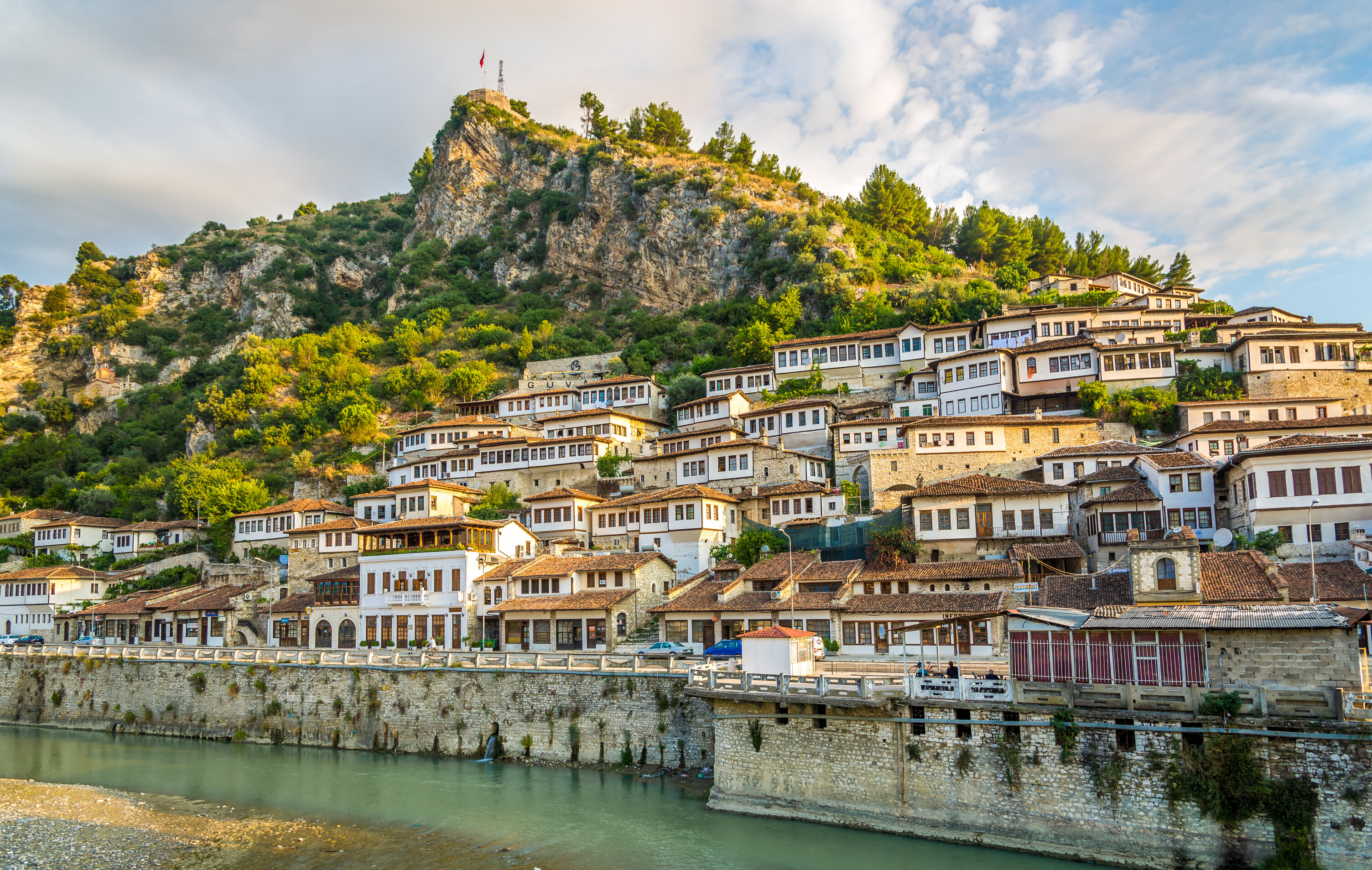

(Berat (CARWIZ) Tirana (iStock))
Best Places to Visit

Berat
A UNESCO World Heritage site since 2008, this South Albanian city is full of stunningly well-preserved Ottoman architecture, which has given it the loving “City of a Thousand Windows” nickname. The settlement’s hillside-clinging buildings overlook the Osum River, with the best view coming from 4th century Berat Castle, that offers a spectacular panoramic view of the surrounding countryside. Today, the relatively small city is split into a more residential, shopping-centred new town, and a fascinating old town housing its signature terraced houses, Ottoman-era mosques and stunning Byzantine churches. This mix of religious places of worship is testament to the diversity of the area, created by years of the ancient city being swapped between different civilizations. Despite being a melting-pot of ethnicities, Berat continues to be a place where people live side-by-side peacefully, all whilst maintaining a strong Albanian identity.
Saranda
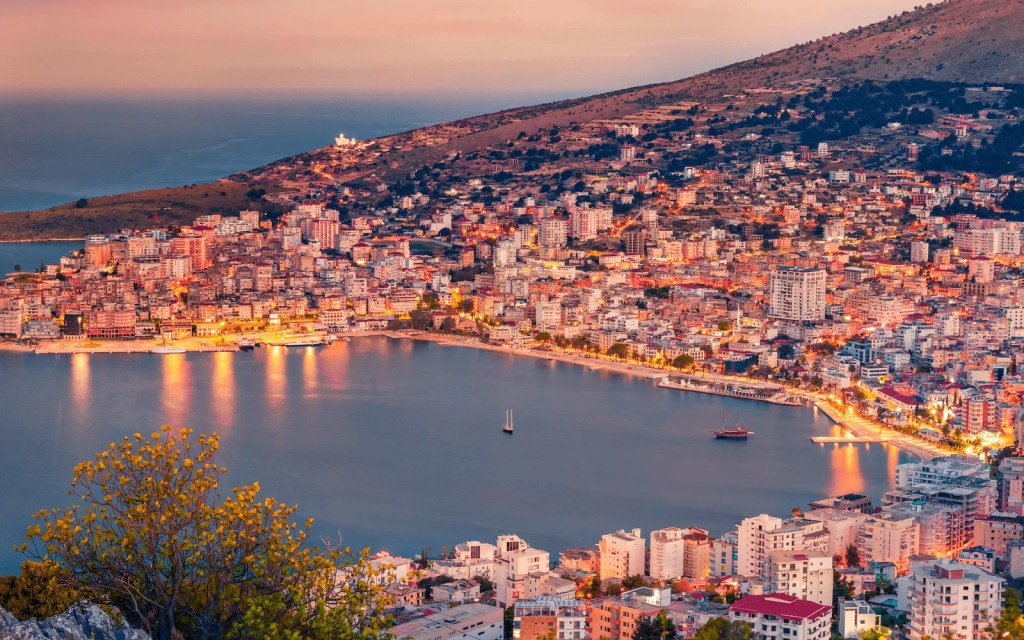
By most accounts, Saranda is the highlight of the beautiful Albanian Riviera- and that really says something. Directly opposite the famous Greek island of Corfu, the city is sandwiched between strikingly clear Ionian waters and post-card Mediterranean olive groves. Despite still having some of Berat’s architectural magnificence, Saranda is a different kind of holiday- a recently constructed promenade and golden-sand beaches surround its recognisable horse-shoe bay, offering visitors a more relaxing vacation, laid on sun-loungers with a cocktail in hand. Described as the “gateway to the Albanian Riviera”, the resort houses notable stretches of coast such as snorkelling hive Mirror Beach, and the more atmospheric Pulebardha Beach. If you want to cram a little more culture into your stay, Renaissance-era Lekuresi Castle ruins overlook the city and now has a restaurant which provides a remarkable view of the surrounding landscape.
Valbona Valley National Park
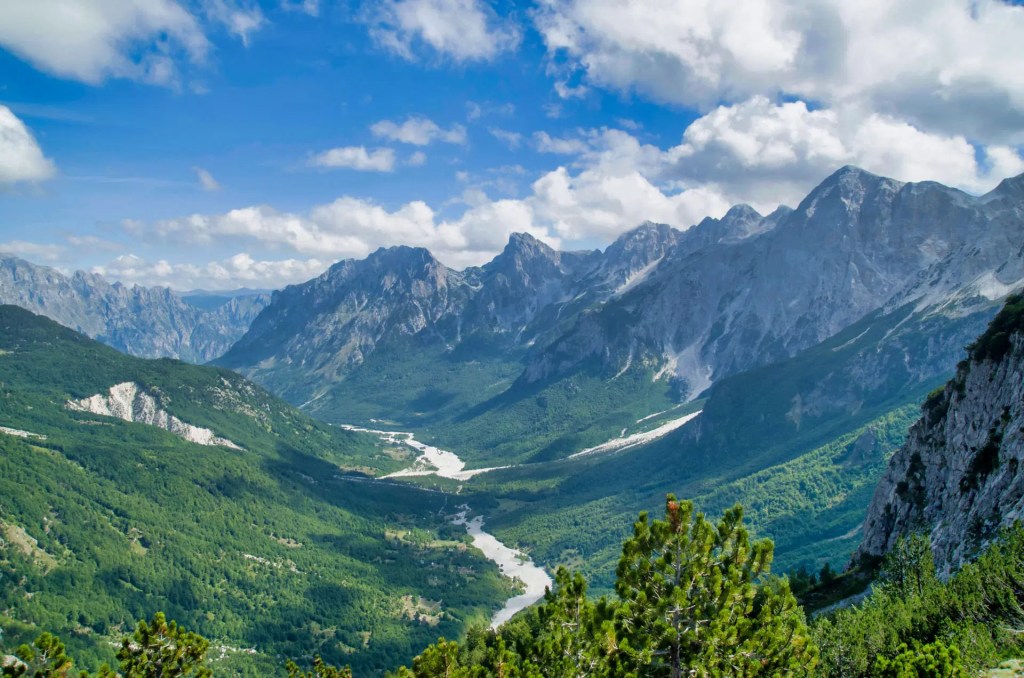
“The Jewel of the Albanian Alps” is high praise for Valbona Valley, yet it certainly doesn’t flatter the region. Towering, tree-blanketed peaks house a huge variety of flora and fauna, which can be seen from the many marked trails that run through 8000 hectares of park. Many species of animal that inhabit the park haven’t been seen in the UK for hundreds of years- including the brown bear, grey wolf and lynx. Air at Valbona is said to be exceptionally clean, as are the tranquil Canada-esque lakes that are common in the valley. It’s perhaps a relaxing way to end your stay in Albania, and there are many hotels and guestrooms that offer accommodation within the park’s boundaries. Valbona Valley is certainly a place worth thinking about if you’d like a holiday spent hiking through peaceful, alluring, pure nature.
Gjirokaster
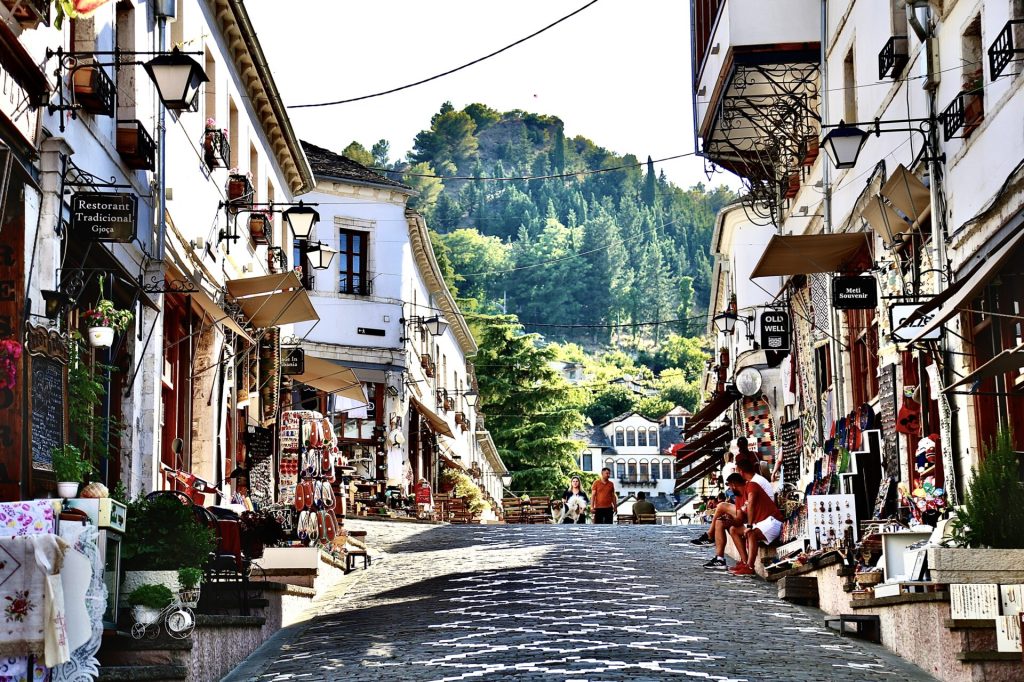
A quirky, yet beautiful alternative to fellow UNESCO World Heritage site Berat, Gjirokaster is strikingly different. Nicknamed “the city of stone” due to the unique style of its buildings and fortress-like castle, the settlement is placed between the 346km long Drina River and imperious Gjere mountains, giving it quite the backdrop to its distinctiveness. A visit to the city’s stronghold of a castle is certainly worth it, featuring a museum containing artillery and memorabilia from the attempted German occupation of Albania- many of the countries towns have interesting stories to tell, and Gjirokaster is certainly one of them. Like many of the nation’s settlements, the city is heavily influenced by the Ottomans, and this is no more evident than with the Bazaar Mosque. A conspicuous example of the state’s religious diversity, the mosque’s main tower can be seen from most points in Gjirokaster, and is currently used as a madrasa (Arabic educational institution).
Tirana
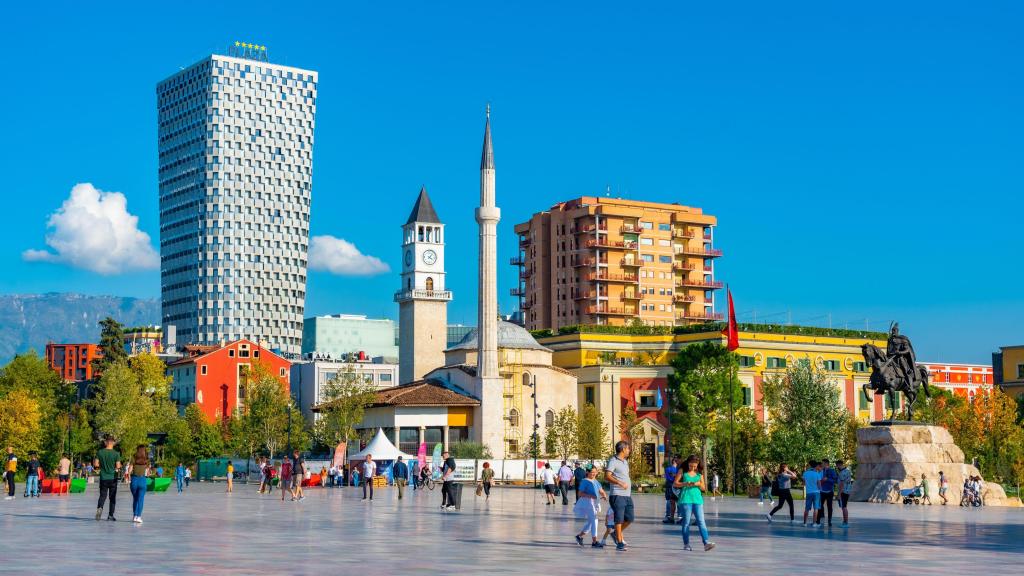
A capital city should always be the thriving centre-piece of a nation, and this is unquestionably the case with Tirana and Albania. Quite literally in the middle of the country, the city is described as “the heart” of the state and having “never-ending movement and energy” by Albania’s National Tourism Agency. 48% of the population is under 35, and this is not only shown by a vibrant night life, but through a strong feeling of growth and freedom in a post-communist era. Seen as being an exciting and dynamic place to visit, the city’s own centre-piece is Skanderbeg Square, which exhibits Tirana superbly- it’s surrounding by signature colourful, pastel buildings and shows the mixture of Ottoman, fascist and Soviet-era architecture present in the metropolis. The city is definitely the economic and cultural hub of the country. If you’d like to escape the concrete jungle for a while, then Tirana’s slightly strange Grand Park, is a great option- 289 hectares of trees features a giant artificial lake is surrounded by the metropolis. Albania’s capital is a really undiscovered, underrated city break, especially for the younger population, and stands as a brilliant representation for the nation as a whole.
Cuisine
Albania’s cuisine reflects the nation’s past very well. A unique blend of Ottoman, Mediterranean and Balkan influences, the country’s food is known as containing many unique regional specialities, hearty flavours and fresh ingredients. Here’s a small sample of the state’s dishes that are worth trying.

Tave Kosi
Albania’s national dish is lamp and rice baked with a mixture of cottage cheese and eggs, and seasoned with salt, pepper, garlic and oregano. Known for its rich and comforting flavours, Tave Kosi is said to have a savoury, creamy and somewhat tangy taste.
Byrek
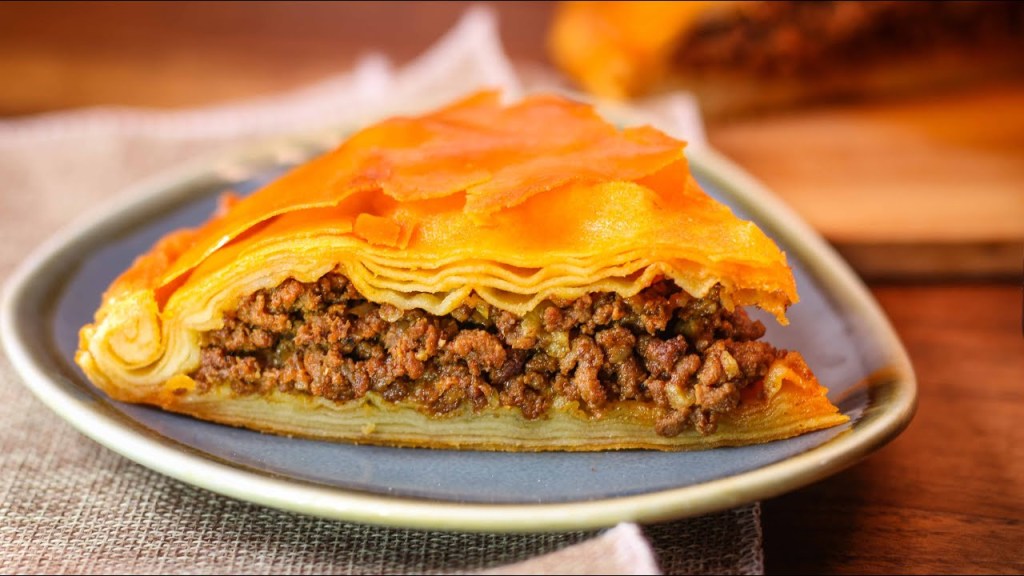
Not only popular in Albania but in surrounding regions as well, byrek is made with thin, flaky pastry (often filo) and can contain a variety of fillings such as meat, cheese, spinach and potatoes. Usually, the fillings give the pie-like dish a salty, savoury flavour with the pastry adding a buttery, crispy texture.

Fergese
This dish shares similarities with shakshuka and contains roast peppers, tomatoes, onion, cottage cheese and yogurt all cooked in the same pot. Overall it has a savoury flavour, but there is a balance of sweetness from the pepper and tomatoes, whilst also having a salty taste from the cheese.
Albania compared to Greece and Croatia
Greece is a tourism giant. The nation’s mix of historic cities, stunning landscapes, idyllic islands and beautiful beaches make it one of the top ten most visited countries in the world, and its total number of tourists in 2024 was nearly four times that of neighbour Albania. Those wanting a more exclusive taste of the Balkans, however, often pick Croatia- similarly to Greece, the former Yugoslav state offers a unique blend of historic settlements, striking natural beauty and postcard coastlines. If the average person is thinking of straying towards Europe’s south-east, they’ll generally pick the Hellenic Republic, if not becoming one of Dalmatia’s 15 million + annual visitors is likely. Admittedly, there has quite literally been no other destinations in the post-Soviet era- until now. We’re starting to realise that a nation that sits roughly in the middle of both still offers many of each countries cons, but at a fraction of the price.
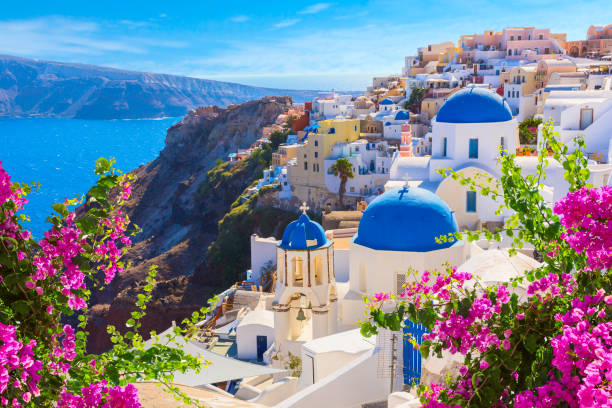

(Santorini (iStock) Dubrovnik (Adventourely))
It’s obviously worth noting that Albania is many years behind in its tourism journey compared to Croatia and Greece, and lacks some of the infrastructure found in them, however beating the trend to try and find a more unspoilt corner of the Adriatic may be a good idea. The Hellenic Republic gives its visitors envious cuisine, infinite island-hopping opportunities and deeply historic locations, whilst the nation’s people are known to be warmly hospitable. Albania’s natives share that trait, but whilst they lack the thousands of islands, the country is much less crowded and affordable. It’s easily perceived that this limits information accessibility, however that might just be part of being one of the first few to discover the state. In comparison, Croatia may have more stretches of beautiful coastlines and bigger selection of medieval ports and cities, but it keeps coming down to the fact that this comes at a price, which in this case is bigger than both Albania and Greece. There have also been a few reports of Croatian people initially coming across slightly ruder to visitors compared to those in neighbours*, and the Dalmatian cuisine certainly isn’t as internationally loved as that of Greece. In my opinion, visiting Albania’s fellow Balkan tourist hotspots may be a better experience, but in terms of value for money, “Shqiperi” is a still largely untapped gem.
*It goes without saying that not all Croatian people are like this, however there are various sources online suggesting a level of rudeness, and when I visited the island of Brac, there were a few instances of people being unpolite and not thanking you, if you (for example) moved aside on a path to let them past.
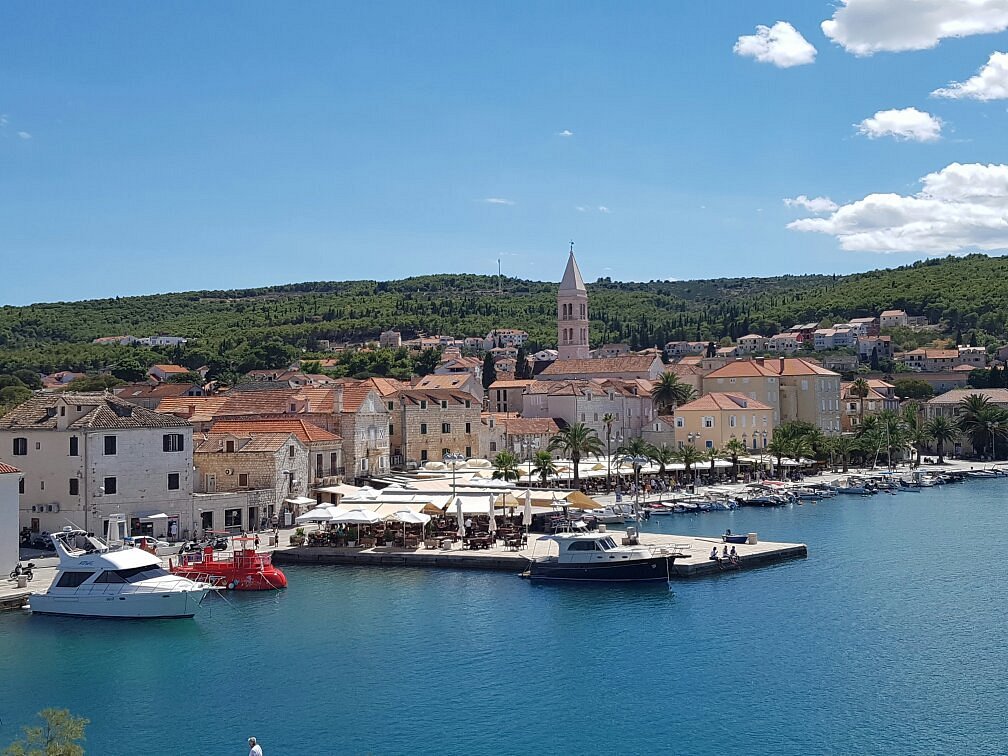

(Supertar (Dalmatia.hr) Crete (Evaneos)
Numbers of Growth
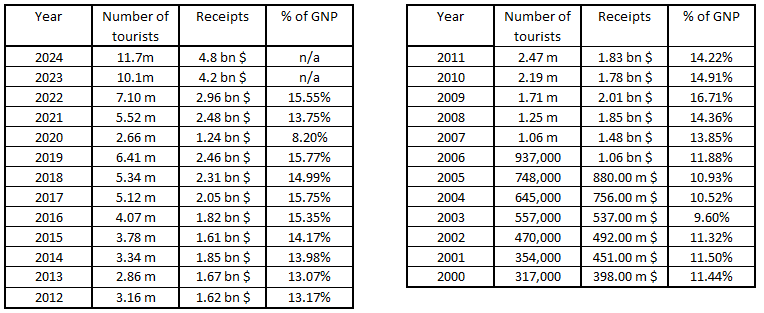
Data source WorldData
Why Albania has not been on offer before
Albania is a country with an extremely storied, rich and complex history. Originally inhabited by Illyrian tribes, the nation then became part of the Roman Empire, and later the Byzantine Empire. Following the collapse of the Istanbul-based state, Albania experienced periods of varying rulers, the most notable and influential being the Ottoman Empire. As that particular empire began to shrink and eventually cease to become modern-day Turkey, Albania declared independence in 1912, leading to vast political and social changes. The most famous ideology for many when they think of the nation is communism, and this is what rose from the ashes of a Second World War Italian occupation. Ruled by dictator Enver Hoxha until his death in 1985, the Gjirokaster-born leader controlled all aspects of life, outlawing private property and banning religious expression. Albania was almost completely isolated from the outside world for much of Hoxha’s rule, only trading with China, the Soviet Union and other Eastern bloc states- this desire from the government to prevent outside influence of course led to all-but everyone being banned from visiting the country, however in the late 1980s, borders did start to open up.

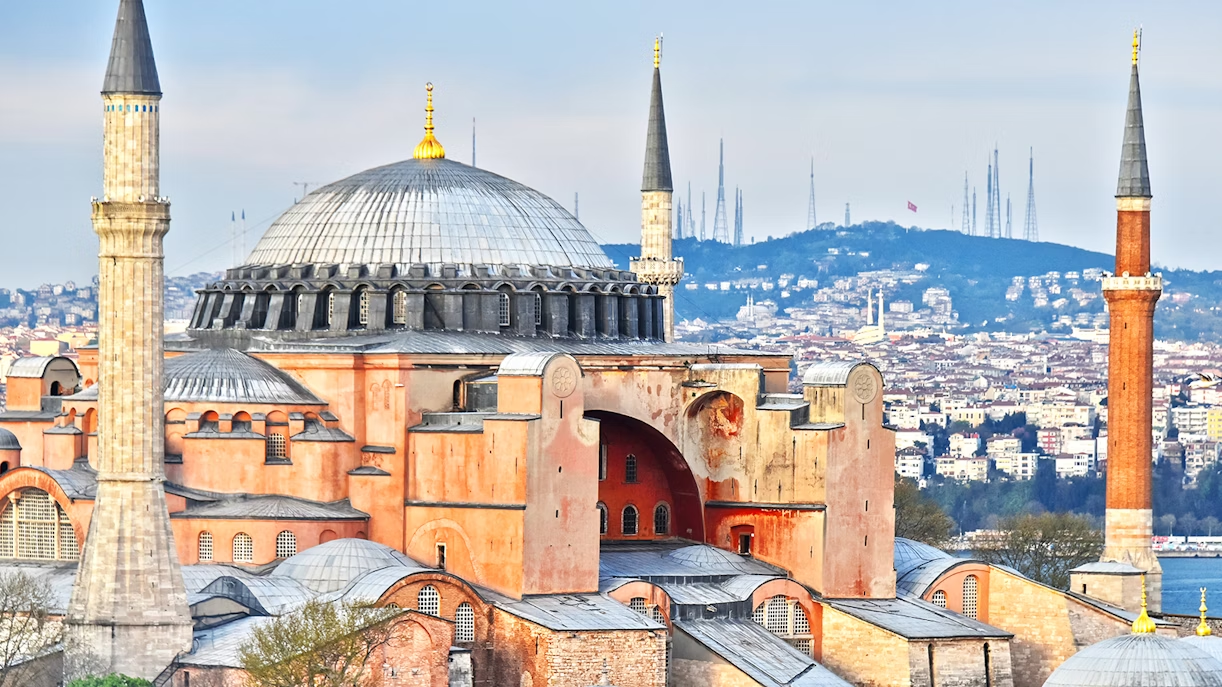
(Enver Hoxha (openDemocracy) Hagia Sophia, Istanbul (Hagia Sophia tickets))
The major tipping point for the nation came in 1992. Hoxha’s successor and leader of the communist party Ramiz Alia lost the election to the Democratic Party after years of oppression, social unrest and economic hardship. Albania then transitioned to a market economy, and of course, opened relations with the rest of the world. Suddenly, tourists felt much more free to visit the nation, yet it has taken, and is still taking a long time to reverse old stereotypes surrounding the country, as well as making people realise that there is a fascinating state to be discovered. A great example of a former communist dictatorship fully recovering into a well-respected nation and extremely popular tourist destination is Croatia. Albania will be hoping to develop further into a similar position in the coming years.

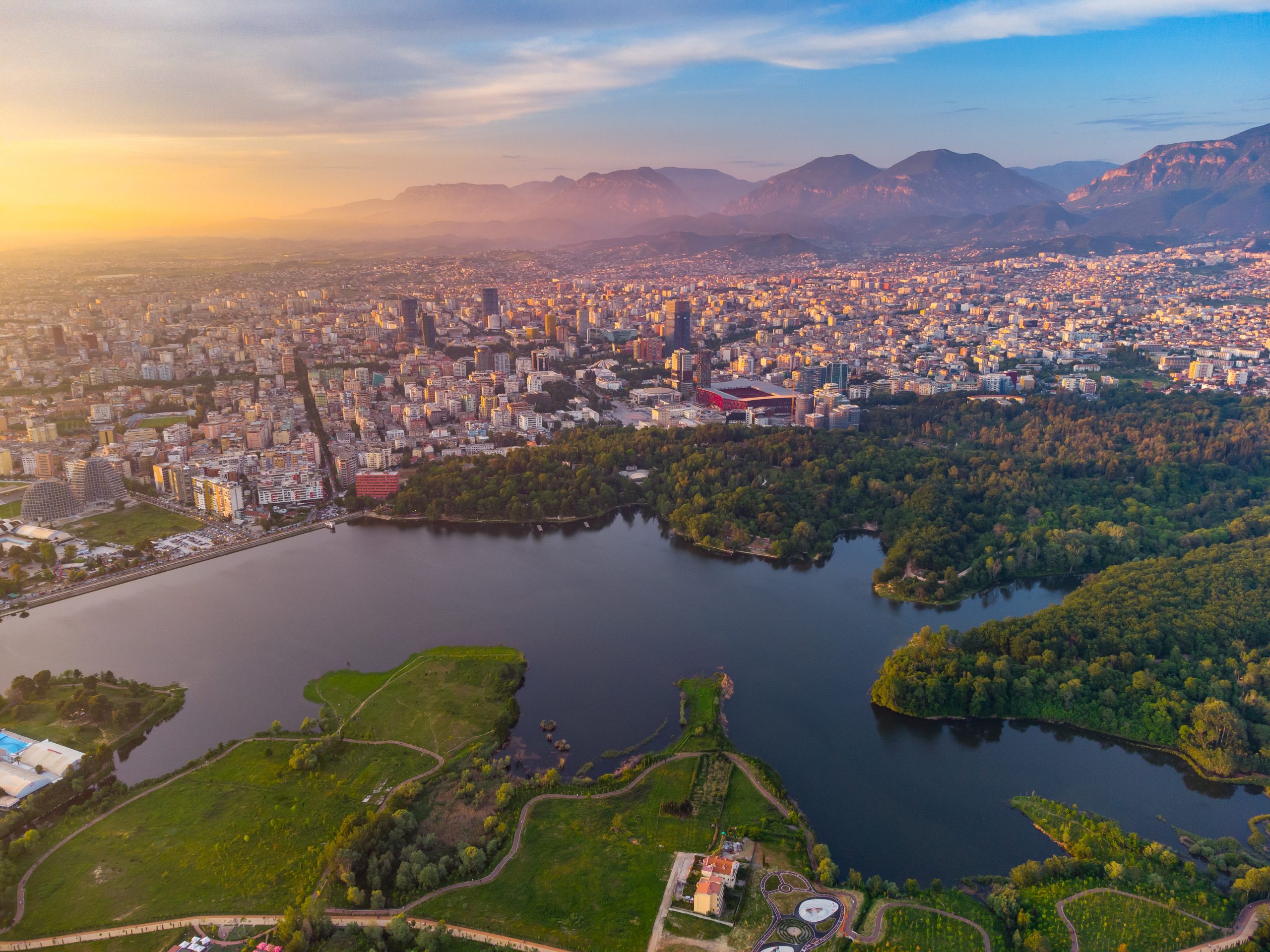
(1992 election winner Sali Berisha (Albanian Times) Grand Park of Tirana (Albanian Night))
Tips for Travel in Albania
There is a false reputation of being unsafe- Albania is a largely safe country and has a culture that values hospitality and respect. Like most European nations, the biggest threat is petty pick-pocketing, so as long as you keep your wits about you, it should be fine. Obviously, follow the usual precautions, but it is considered a safe destination for women and crime rates are lower than most states in the continent- its 2024 Crime Index was 46.4, which is the same as Canada!
The best times to visit supposedly fall from April-June and September-October. July and August are hotter and better for beach holidays, but the months either-side are still a pleasant temperature with much smaller crowds.
Tipping is not compulsory, but generally appreciated- around ten percent of the full cost is considered as being best.
Hiring a car is the best option for travel. Albanian “furgons” (buses) are generally old, don’t tend to leave until full, and are prone to break down. They don’t operate on a precise schedule, are often uncomfortable, and safety standards may not be as high compared to much of Europe. Overall, the don’t have a good reputation, and probably aren’t worth the lower price.
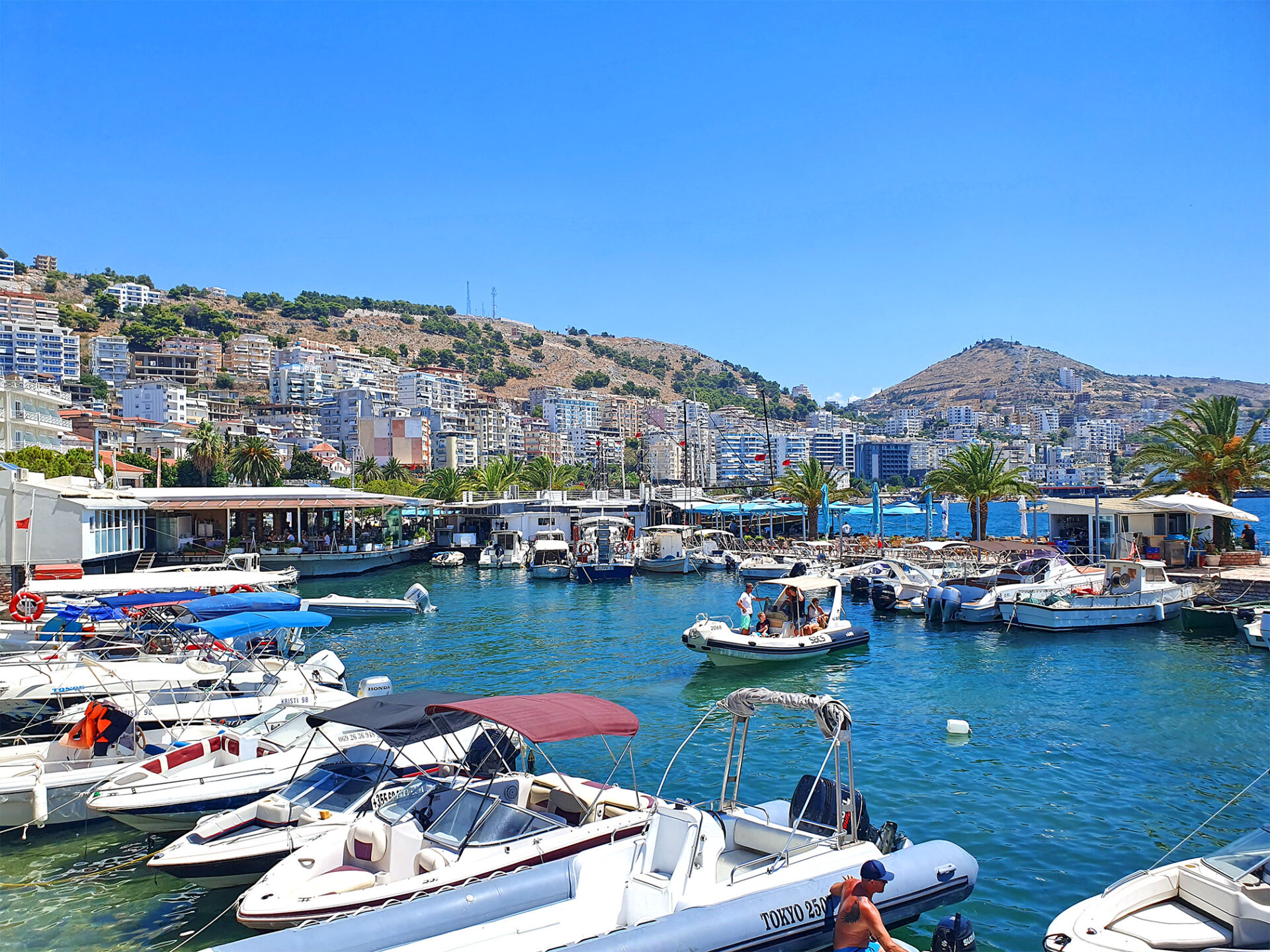

(The Monaco of Albania? Saranda (Travel Off Script) Aerial view of Berat (Journey Gourmet))
Thanks for reading this whistle-stop, yet hopefully informing tour of European Tourism’s Rising Star- I hope you enjoyed. Feel free to place your vote for the best Balkan travel destination in the poll below, and drop a like if you appreciated. If you would like to be notified of more content and articles, you can subscribe to the Your World Explored blog.



 Your World Explored
Leave a comment