
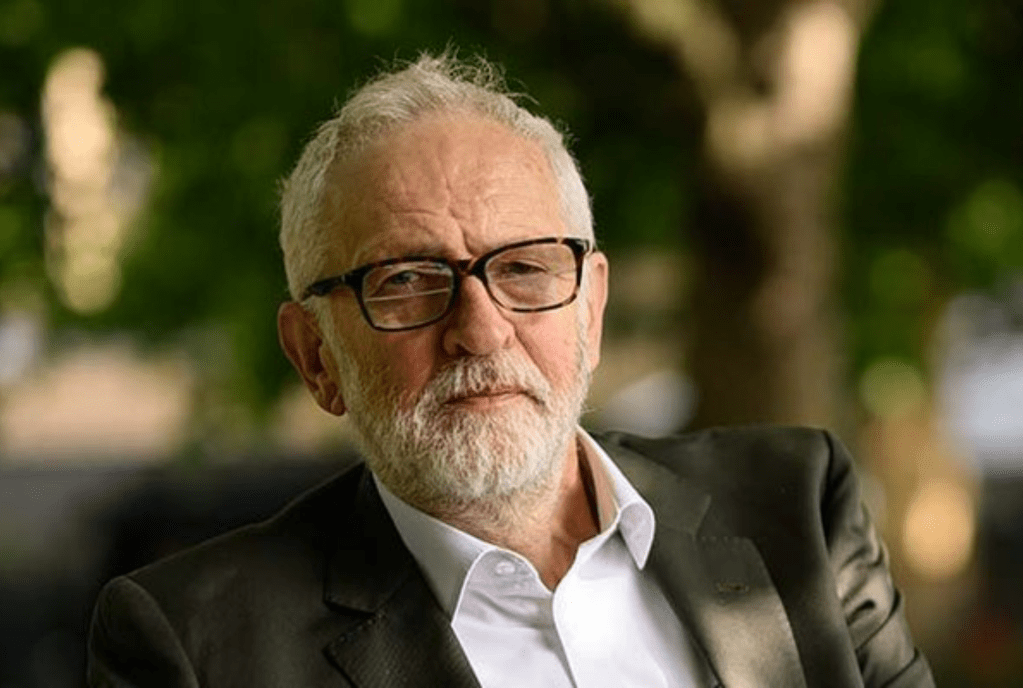
It’s actually quite strange to think just how much a party with little chance of actually winning, and that’s positioned in a less than desirable place on the spectrum (right now), could affect UK politics in the short and long terms. Many, including the Guardian, are hailing Corbyn’s new party as the left rising from its ashes- even as the other side’s answer to Reform. This opinion can be deeply questioned, especially given the fact that it could very well be the left that comes out of this situation in a much worse state than the right. If the left was one singular united force that people could vote for, then perhaps Corbyn’s party would have a beneficial effect, however all it appears to be doing so far is making Labour and Green followers consider their allegiances. Should the seats of left-leaning MPs now be divided into four (Labour, Lib Dems, Green, and the Corbyn party), then Nigel Farage will be rubbing his hands together with the delight of a huge step towards a 2029 victory over Starmer- the Tories may even see glimmers of an unlikely recovery on the horizon.
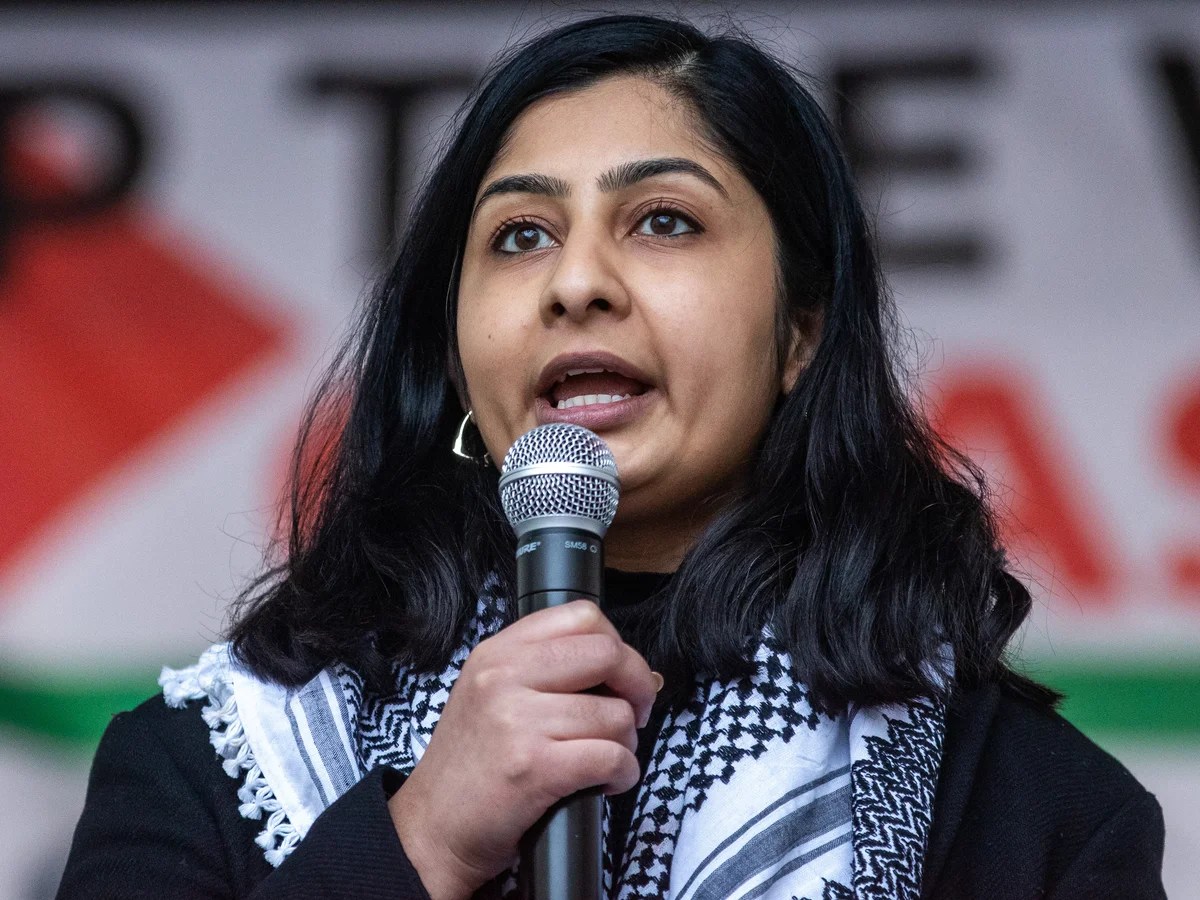

Zarah Sultana (the Guardian) and Jeremy Corbyn (the London Economic)
Green Party
Carla Denyer’s Green party have experienced a steady, yet exciting rise throughout the last decade, partly led by those left behind in Labour’s ever-increasing move towards the centre. The obvious problem for the environmentally centred group then, is the fact that they could now share a target audience, and place on the spectrum with a man who may be like marmite, but is an undoubtedly bigger name than those in their top positions at present. Green’s status as the only major party further left than Labour means that they have been able to pick up many of the party’s frustrated, regardless of environmental view.
Other than the name of Corbyn, that may be another reason why a new party could hold the left-wing edge- Green is a group heavily orientated around a more sustainable Britain, and serious questions can be raised surrounding whether the motives for many of Labour’s unhappy joining Denyer was a concern for our planet, or because something further left was on offer. The numbers back up the attraction of Corbyn for many Green voters- YouGov say that 28% of their current following would consider voting for the new party in 2029, which is admittedly less than Labour’s 30%, however it gets really damning when you see that 15% of Green voters see Corbyn as their most likely option in the 2029 general election, which is substantially ahead of Labour’s 9%.
Leadership race candidate Zack Polanksi commented quite deeply on Corbyn’s new party in an X post, saying that “anyone who wants to take on the Tories, Reform and this failing Labour government is a friend of mine”, whilst when talking to Politico, he said said he’s open to working “with anyone who shares [his] values and the Green Party’s values of environmental, social, racial and economic justice”, but added that the party doesn’t have “time for steering groups and management meetings and governance processes of new parties — the Green Party exists and is growing.” Here, Polanksi appears to propose a non-aggression pact, maybe even a union between the two parties, which may be a logical idea if both want to be as successful as possible.
This was echoed by leadership contest rival, and current co-leader Adrian Ramsey, who said that anyone looking for a “progressive alternative to Labour” should join the Greens. Should Corbyn and the Green party’s ideas be too different for a pact, then they may be too similar to avoid a substantial amount of treading on toes. Green, despite quality local election results preceding an all-time best backing in 2024, have to view a new Corbyn-led party as a huge threat to their position. Yes, the man may be a divisive figure, but he has many, many followers in the zone that both parties will seek success from targeting, and his big-name status, and also clear Palestine stance will most likely be enough to steal much of Green’s thunder.
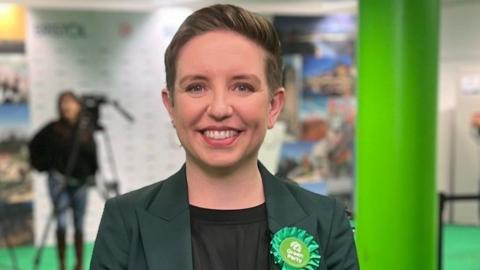
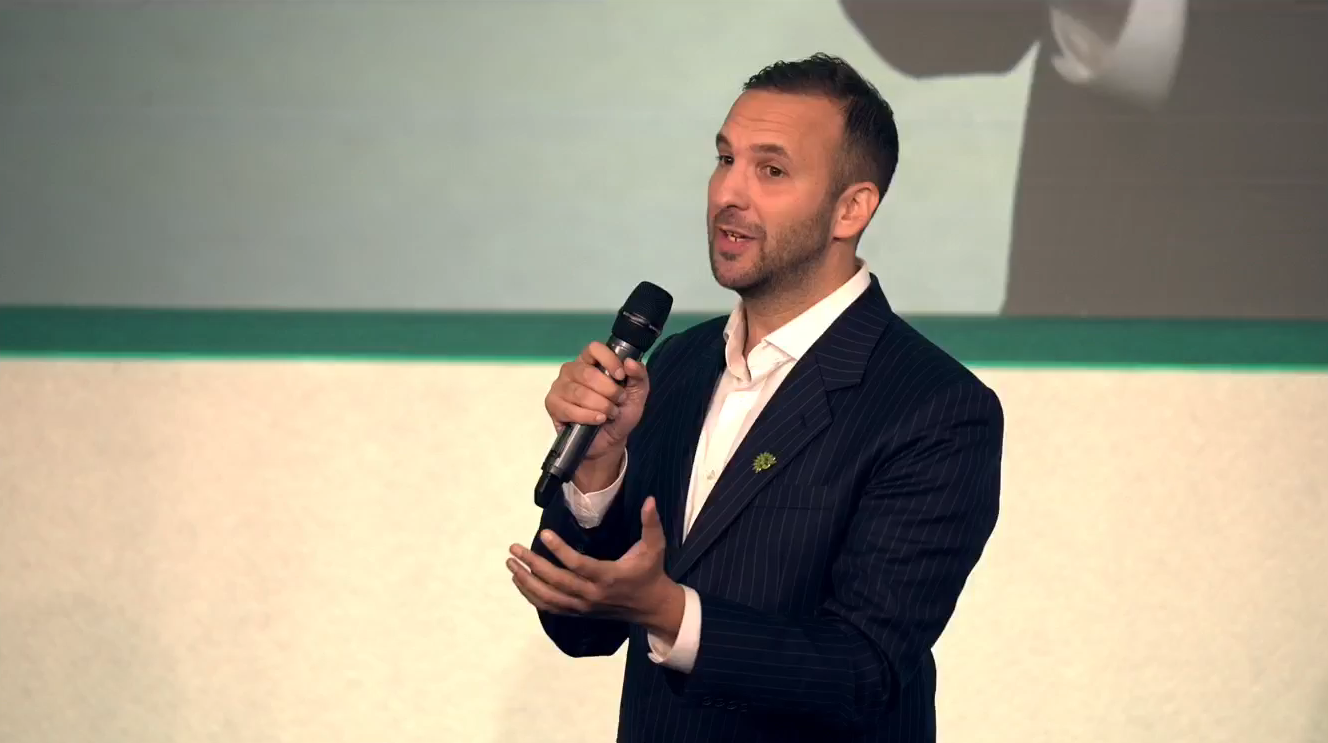
Carla Denyer (BBC) and Zack Polanksi (Bright Green)
Labour
The return of Labour’s former leader to big-time contention certainly isn’t what Starmer’s party need right now. A turbulent few weeks have highlighted frustration, displeasure, and division in the majority, most notably seen in the backbench rebellion during the Prime Minister’s horror attempt to bring about major welfare reforms. It’s no longer a secret that the right fits European people’s desire a lot better than the left right now, and Starmer appears to recognise this, as he has gradually brought Labour closer and closer towards the centre during his reign so far. The Prime Minister has created space for a Corbyn-led party in others ways as well, particularly through the ruthless dismissal of many left-wingers, as well as those who don’t support the party’s ideas (like Zarah Sultana).
Starmer’s countless u-turns and response to the Gaza crisis have also frustrated many of his own MPs, leading them to seek an alternative. Corbyn, who no doubt knows most of them, might just step in to fill the gap. Despite many believing that Labour embarrassingly drifting left again is a better strategy, others believe that there is enough demand from MPs and followers of the party to get a Corbyn-led alternative up and running. Many are disappointed with the government so far, and it’s reported that half the electorate desire an alternative (like Reform), whilst more than 100 Labour MPs backed a new group focused on living standards. Speaking to GB News’ Choppers Podcast, Andrew Murray explained that Labour’s 2017 vote being 3.2 million larger than Starmer’s 2024 one proves the desire for the return of Corbyn, however others in Labour’s moderate sections believe that the current Prime Minister has enough to hold his government together.
Those critical of Corbyn include North Durham MP Luke Akehurst, who told Politico that appealing to the far left would be “madness” and “the quick route to electoral oblivion.” “You can’t win a general election on a manifesto that’s about being responsible and center-left and then go, ‘Oh, just because this ex-leader you all hated who then lost us a general election disastrously and we’ve announced as persona non grata because of their proximity to the antisemitism scandal — because he’s got 10 percent of the vote — we’re therefore going to totally change positioning”.
What can’t be denied however, is that the emergence of a Corbyn-led party would start to pull Labour from all sides, with this new alternative providing a greater, more prominent threat than Green from the left, along with the strong allure of Reform UK from the right. Farage and Corbyn don’t have the same problems as Starmer, as they know exactly what space they’re trying to occupy, whilst the PM would have to drift from centre to centre-left to left-wing and back again in an attempt to keep his following. This really isn’t what a party reeling from an awful few weeks in parliament needs, especially given that Reform are already turning disillusioned Labour heads in smaller towns- Corbyn and Sultana can now win over urban left-leaning students and ethnic minorities (especially the Muslim population), where the 76-year-old has seen success in the past.


Kier Starmer (New Statesman) and Angela Rayner (the Guardian)
Reform UK
The fact that Reform could very well be the chief beneficiary of a new Corbyn-led socialist party may surprise many, but the reasons behind it are pretty obvious. It could actually turn out to be the gift that Farage has been waiting for. Corbyn’s party may aim to be the left-wing equivalent to Reform, however the current political climate really doesn’t suggest that they’ll have anything close to the same level as success, but as heavily mentioned already, could begin to take important, valuable votes away from Labour. Despite being right-wing, and Starmer’s party being centre-left, Farage has already managed to win over many people of the “Red Wall”, which together with the easier accumulation of former Tories, has put him in a great position for 2029. An awful last few weeks for Labour in parliament may not be the worst thing that happens to them this Summer however, as Corbyn could split the vote on the left, which no matter in what shape or form that comes in, is a real positive for Reform.
Former chairman and now the head of Reform’s Department of Government Efficiency, Zia Yusuf, had criticism for Starmer, and praise for Corbyn when speaking to Politico- “what’s happened to the Tories between the years 2018 to 2024 is now happening to Labour on five times fast-forward,” he said. “Keir Starmer has flip-flopped all over the place”. “He doesn’t really stand for anything. One cannot reasonably argue that Jeremy Corbyn does not believe in the things that he’s saying, and in the modern age of politics, I don’t think that has ever been more important”. This not only backs the point of Labour having to scamper from left to centre in the event of a Corbyn-led party, but it also suggests that Reform genuinely believe that what the former Labour leader could do to his old party is the flip side of what Farage has done to the Conservatives. The pull of Corbyn to those on the other side of the spectrum may not be as big as it is on the left for Farage, however figures imply that Labour could lose 10% of their voters, allowing Reform to snag an election win.
Division highlighted by the welfare reform rebellion, and Kier Starmer’s almost constant high-level u-turns would already be a huge issue for Labour, however it is even worse when there is a party alert and ready to pounce, picking up the frustrated and disappointed, with the promise of true service to the people, and a pure form of socialism, which is something significant portions of Labour followers want. A new Corbyn-led party may not make Reform’s numbers go up, however they could make their biggest rivals lose a significant amount of their support, not only helping Farage win the election, but possibly also delivering the holy grail of a majority, through the left-leaning in each constituency being split between the moderate Kier Starmer, and more extreme Jeremy Corbyn.
Credit must go to Reform for largely avoiding this concern with the Conservatives, but it must be added the desire for change has created a bigger demand for the right for the moment, proved by Labour’s ever-more-obvious move towards the centre. Starmer being pulled at viciously from all sides may just by the jackpot for Nigel Farage, and pave the way to a Reform UK victory, meaning that the left-wing might be giving the right-wing a huge boost towards a majority.
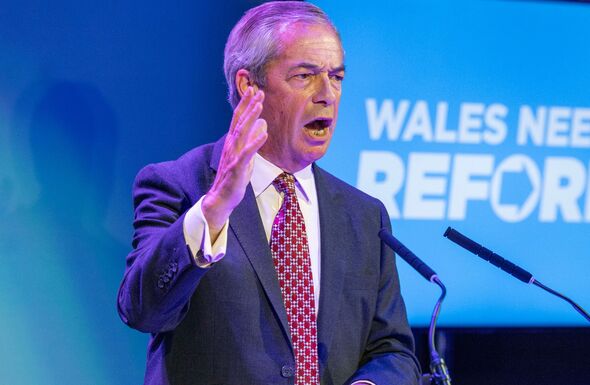

Nigel Farage (Daily Express) and Zia Yusuf (BBC)
Conclusion
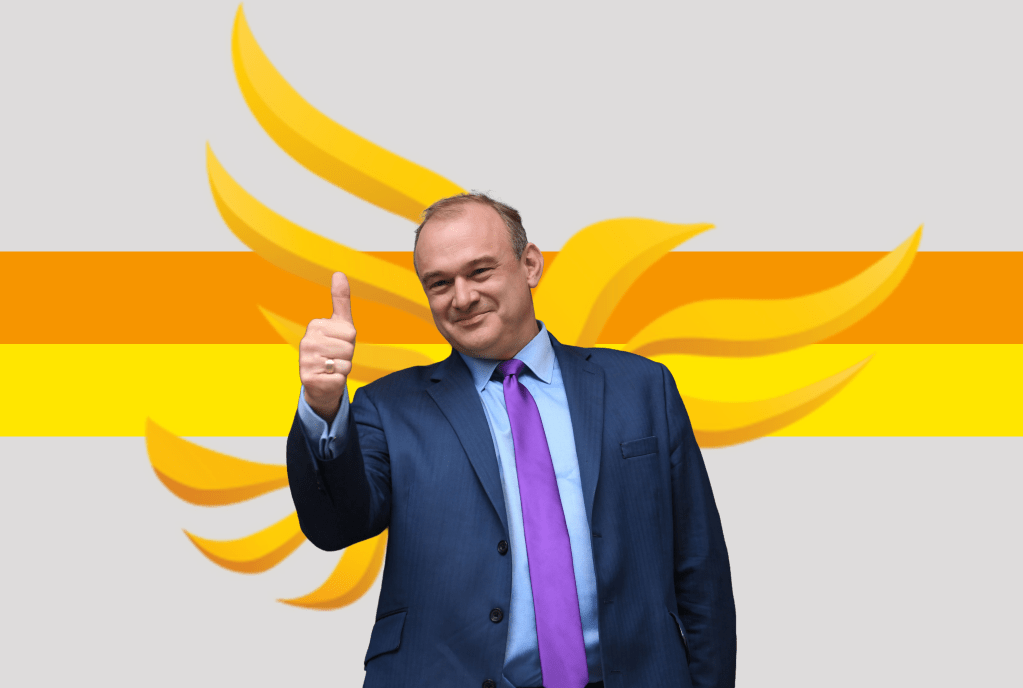
Even in 2025, it is clear that the 2029 general election is one of huge magnitude. Each political party has its own unique storyline, advantages (some more than others), and struggles. Labour face the decline of the left following a disappointing reign so far, the Conservatives are slowly attempting to recover from an all-time low, and the Liberal Democrats still sit in the middle, with no signs of waning, nor expansion of influence. Reform UK and the Green Party are the only two who are significantly on the up, however the creation of a Corbyn-led party adds even more confusion into the mix. Labour’s challenges could be added too, with added pressure from the left-wing, Green’s rise could stutter with the addition of a direct rival (or they could potentially gain an ally), the Tories and Lib Dems sit in the middle of it all, not truly affected, whilst Reform could be delivered a huge boost by the party that should be their biggest rival (ideology wise). There’s still many questions around the structure of Corbyn’s new project, however if he is able to piece together a competitive entity, the effects could be felt in force throughout the UK political landscape.
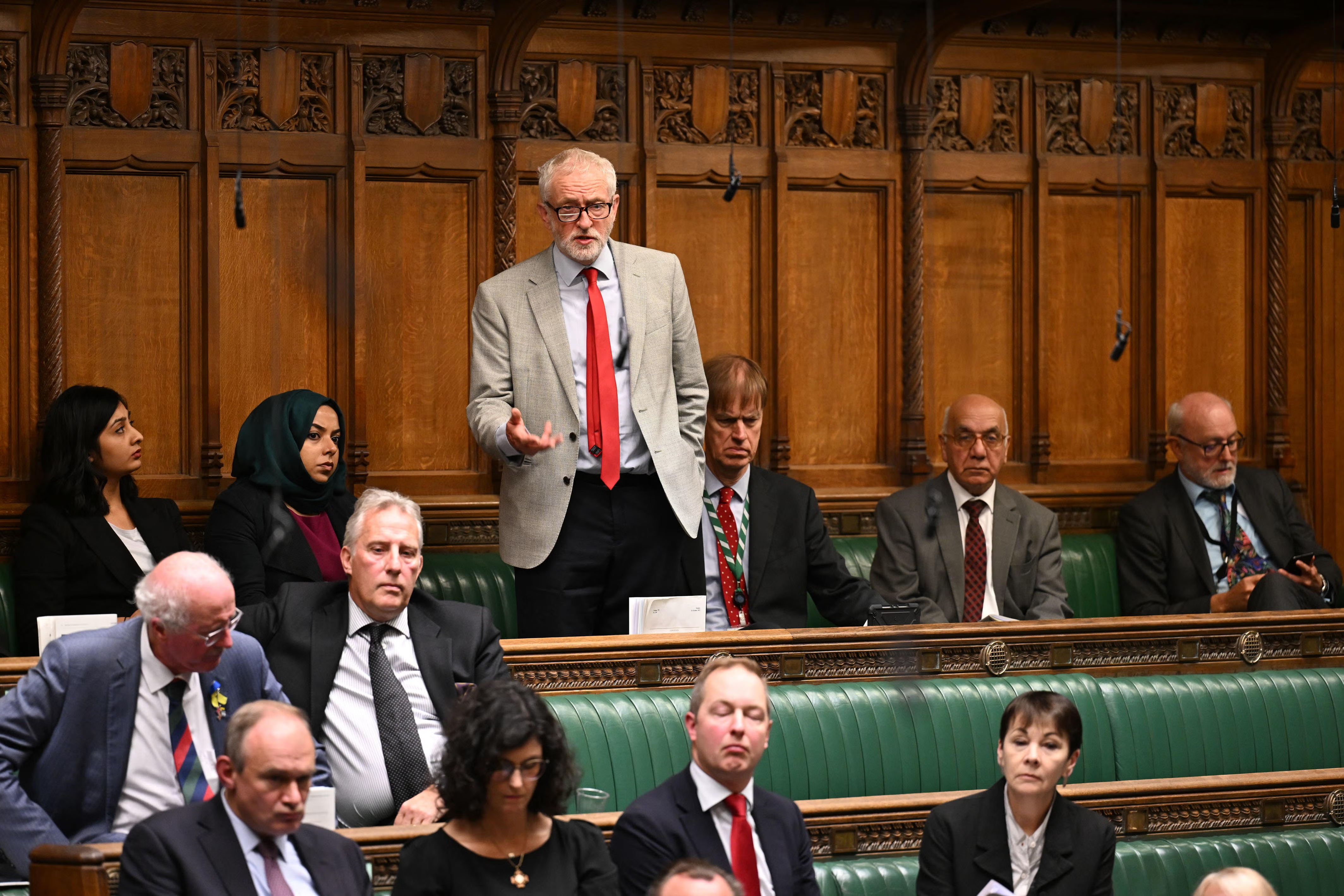
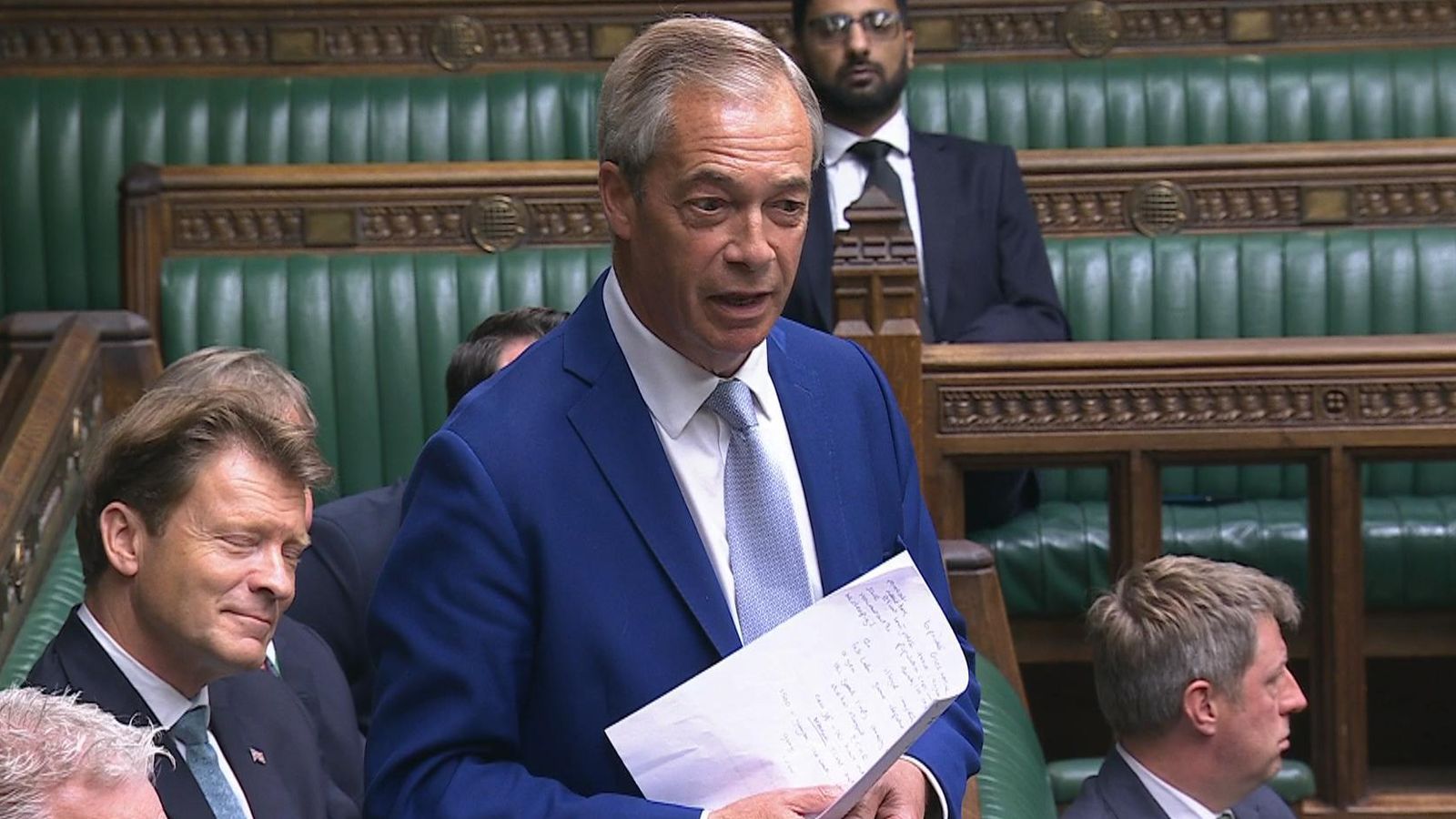
Corbyn (the Independent) and Farage (Sky News) in parliament
Thanks for reading my latest blog post on Your World Explored by me, Lewis Defraine. Once again, if you’re interested, you can read my detailed piece about who Corbyn’s new party are. Feel free to offer your support, or even constructive criticism in the comments section below. A like would be greatly appreciated, and if you’d like to receive more articles from Your World Explored, you can also subscribe. Also, you can take part in the poll down below.
Key Sources-
https://www.youtube.com/watch?v=2DOKvxHDBH8&themeRefresh=1
https://novaramedia.com/2025/07/08/what-we-know-about-the-new-left-party-so-far/
https://www.bbc.co.uk/news/articles/cedg56670qdo
https://yougov.co.uk/politics/articles/52505-who-is-open-to-voting-for-a-new-corbyn-led-party


 Your World Explored
Leave a comment