
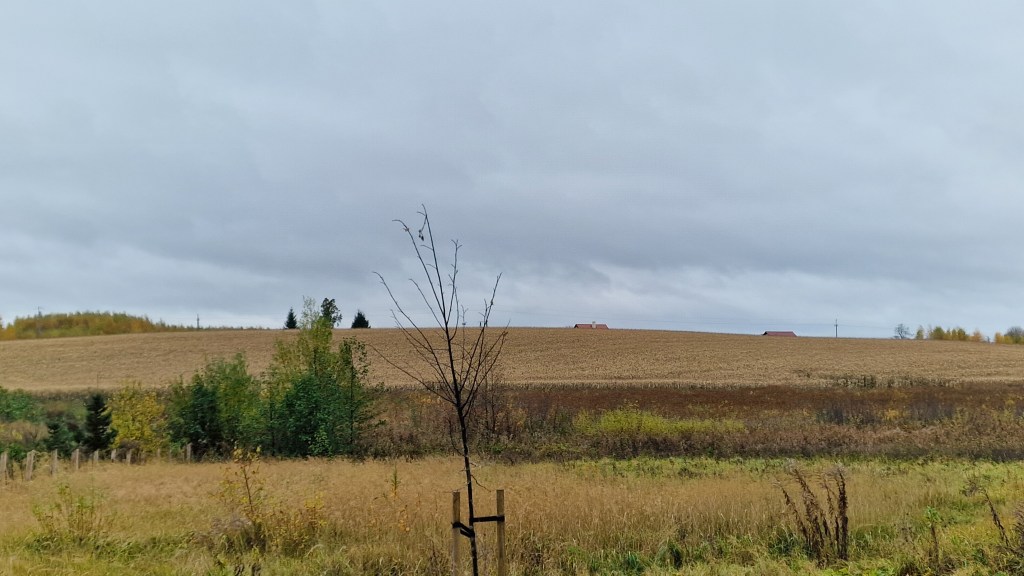
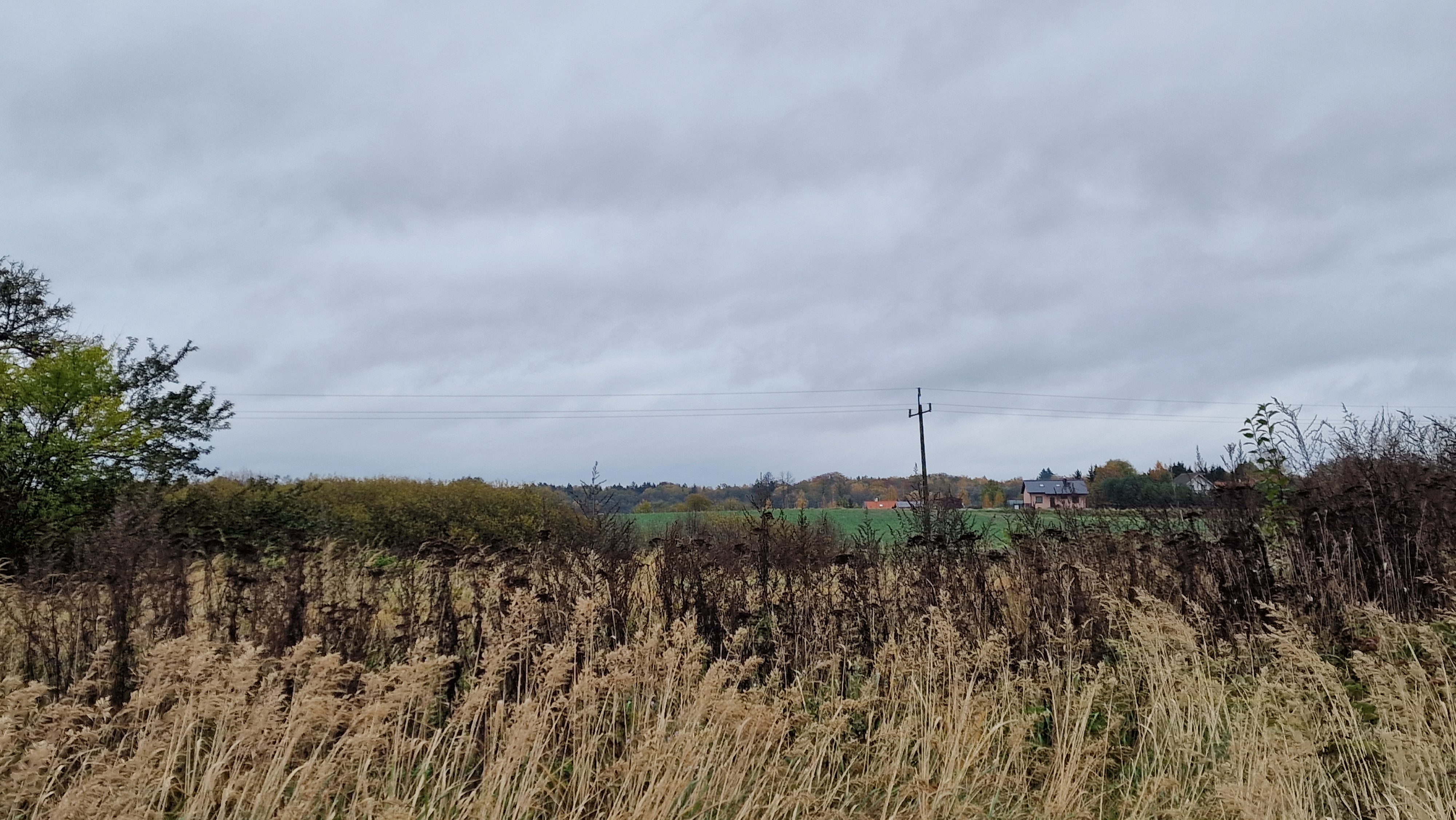
A huge, open, expansive landscape of gently rolling hills stretches towards the horizon. I’m surrounded by hues of gold, yellow, green, orange and red, as colours synonymous with Autumn begin to replace those of Summer. Small concrete landlines snake through fields of wheat and barley, whilst magnificent church spires and imposing communist apartment blocks scatter across a blissfully peaceful skyline. This is the eastern European countryside exactly as you’d picture it, a land steeped in years of history, influenced by the many nations and ideologies that have desired to rule it.
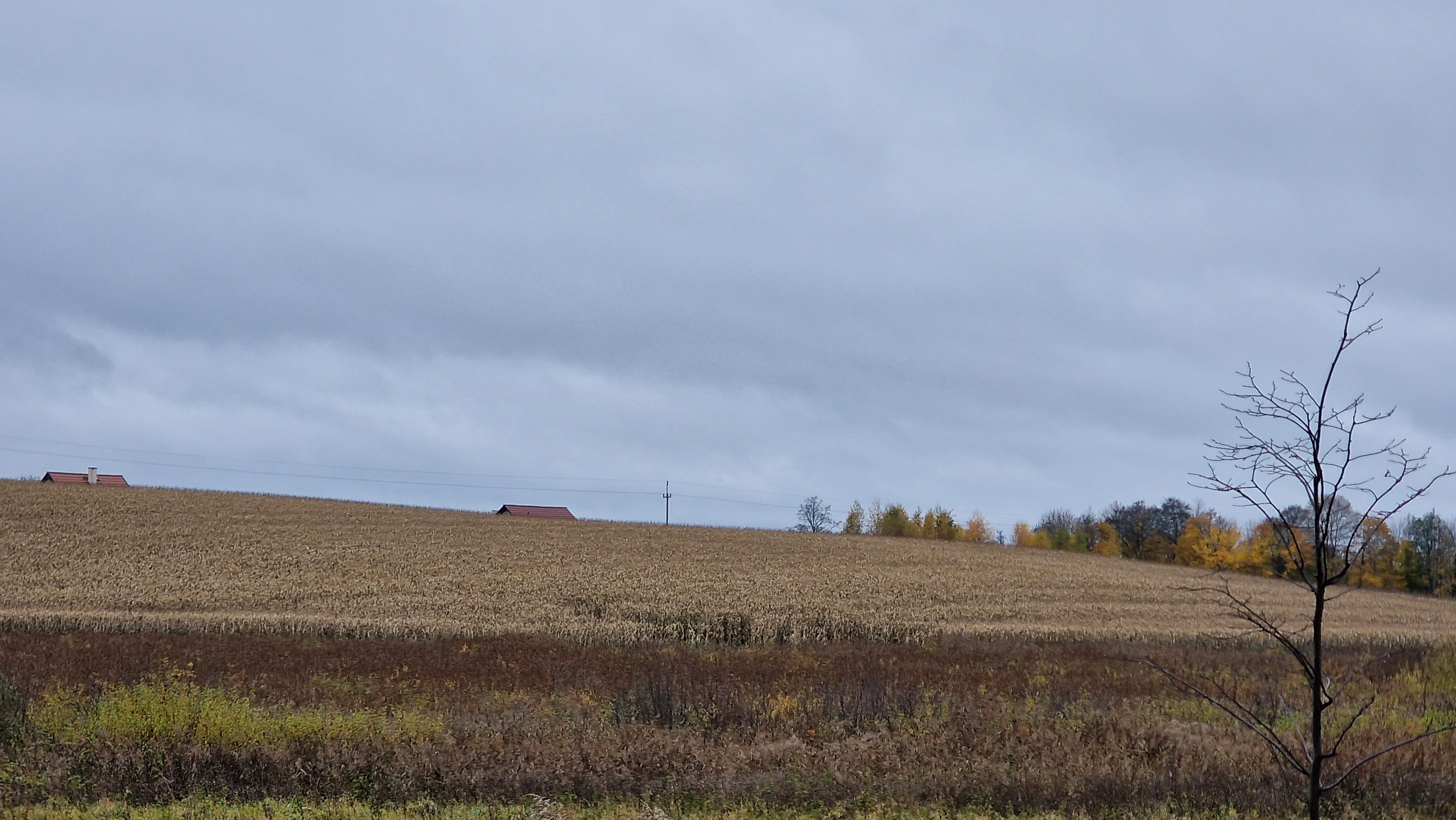
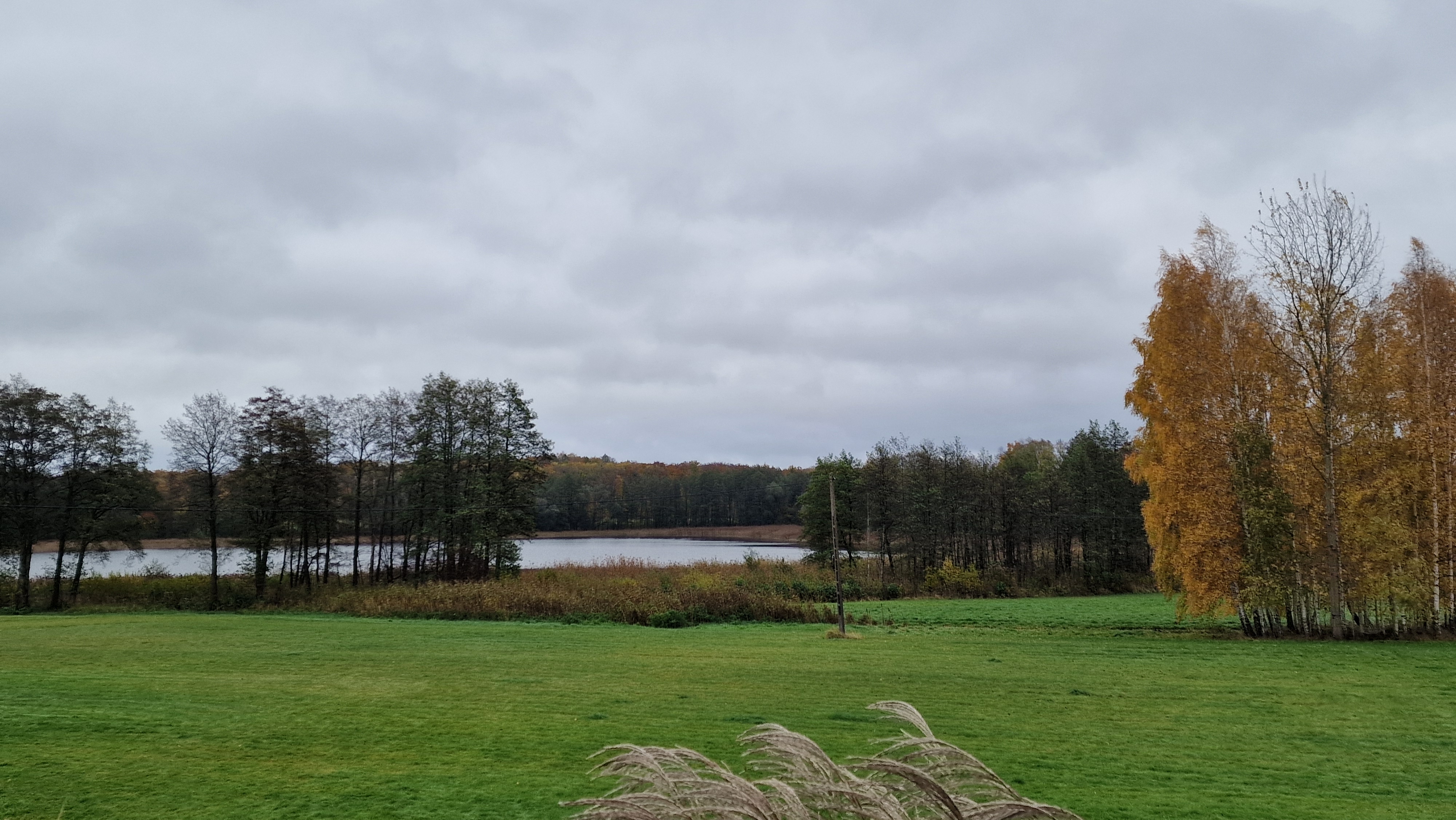
For the first time, I was visiting north-eastern Poland, an area that should feel strangely familiar, warm and welcoming, as it was there that the sisters of my Polish great-grandfather came to settle. It is a corner of the country largely untouched and undiscovered by foreign tourists, that still hides secrets left by centuries of saga.
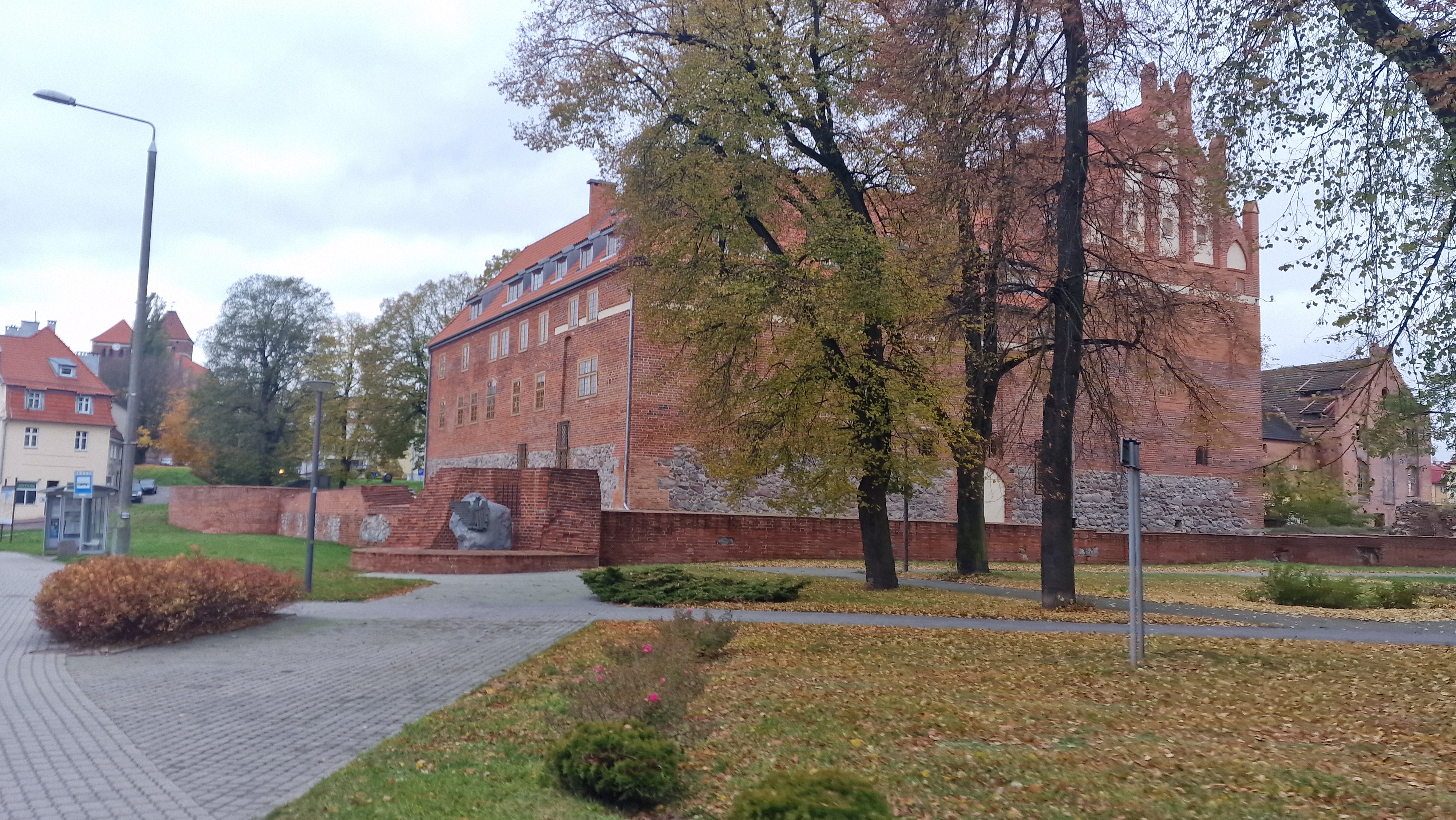
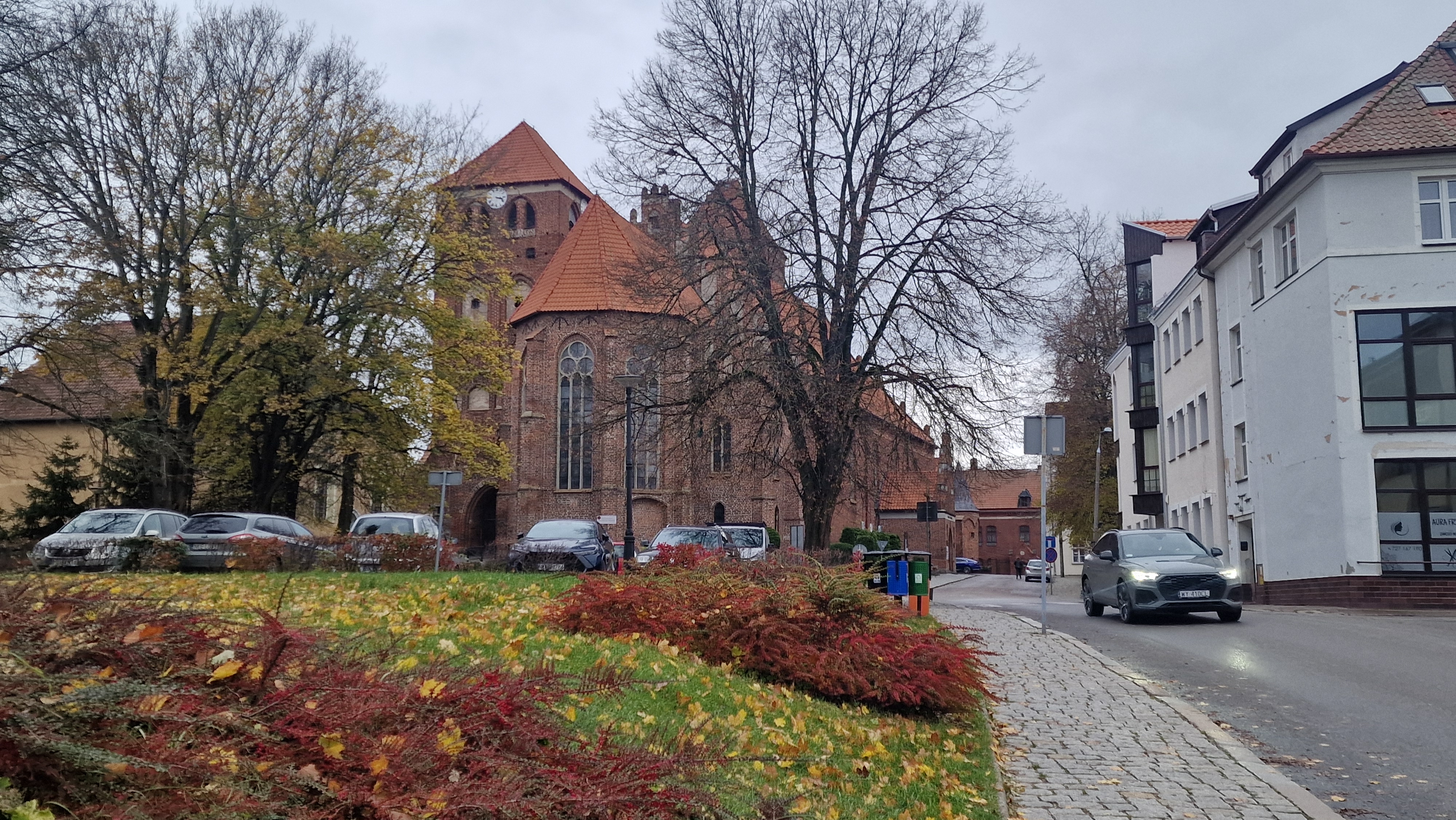
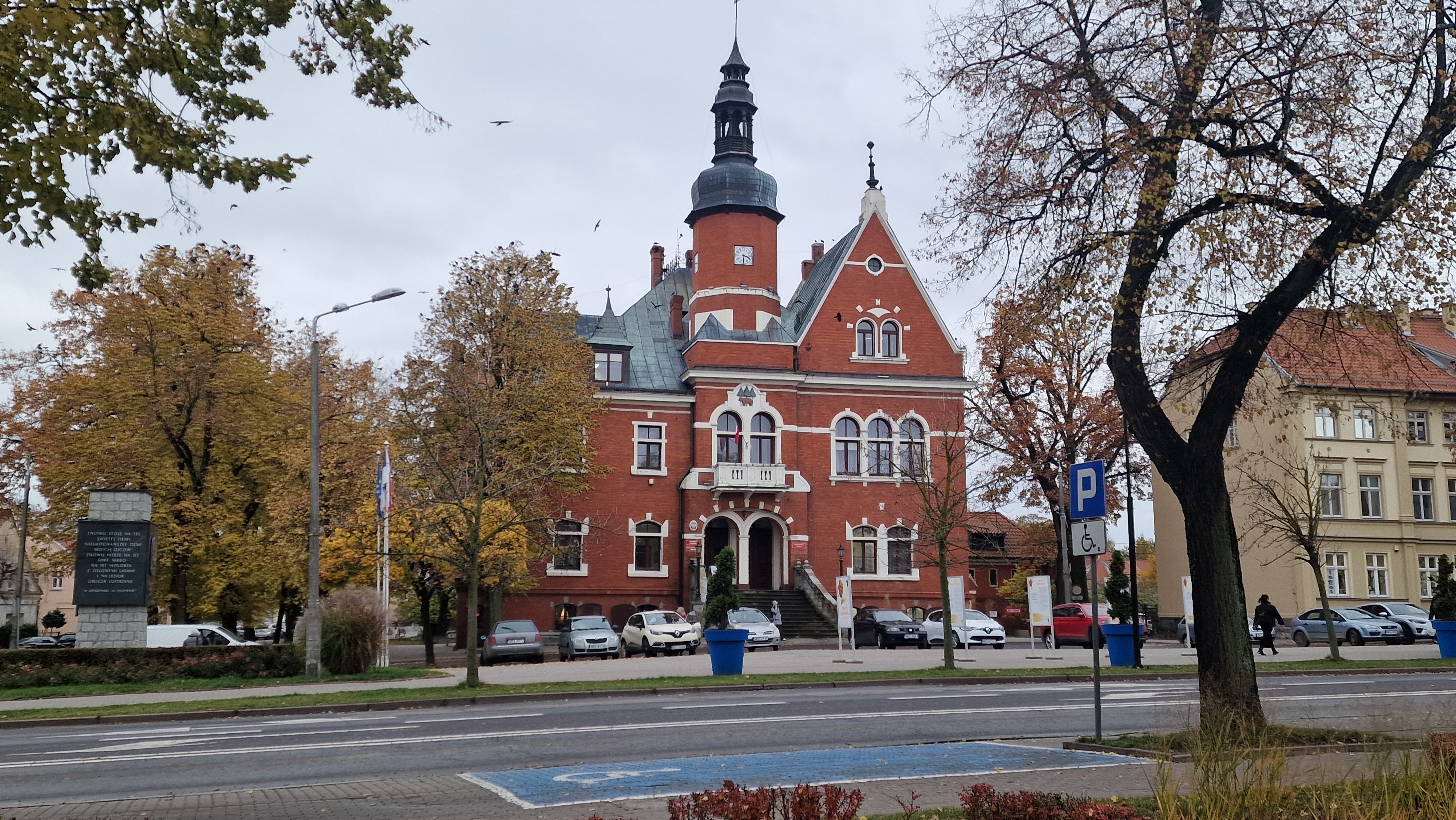
My trip began in Ketrzyn- a small, isolated rural town, tucked away from the well-trodden path by golden fields, sprawling forests and quaint villages. Not only do the majority of my relatives live there, it also houses a staggering 14th century Teutonic Castle and a stunning Gothic church, providing a fascinating insight into religion’s role in Poland’s past, and indeed its present.
The first morning of my stay was on a Saturday, which is when I complete parkrun at home- I was pleasantly surprised to see that Ketrzyn had one of the events, but it turned out to be more than the average 5k run. This was the first occasion where I was struck by the warmness, openness and hospitality of the Polish people. Upon arrival, they were practically queuing up to shake hands, before explaining the course in admirable broken English- foreign tourists appear to be a novelty there.
It turned out that it was Jezioro Gorne parkrun’s 7th birthday, so following four loops around a tranquil lake in the shadow of Ketrzyn’s old town, I was greeted by electrolyte drinks, coffee, iced croissants and cake. Of course, the food and drink was welcome after a 5k race, but it also highlighted the local’s kindness and goodwill. They had welcomed random, non-native speakers into their weekly running “club” without a second thought.
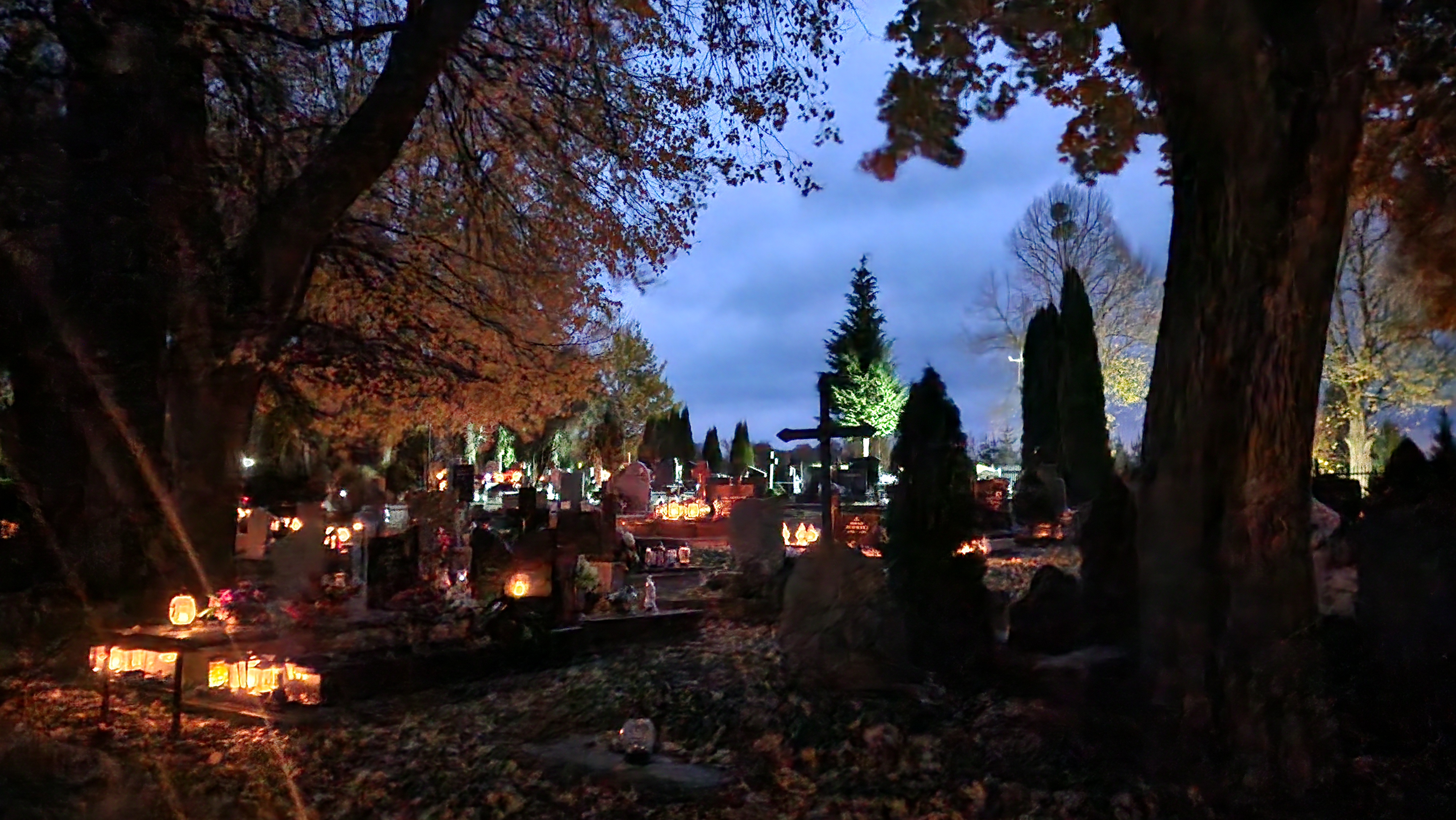
Throughout much of the English-speaking world, we spend the latter stages of October dressing up in scary costumes, knocking on stranger’s doors for sweets, and decorating our houses in cobwebs and carved pumpkins. In Poland, this time of year is more dignified, thoughtful and good-natured. I visited the grave of my great-great-grandmother with some relatives, where they explained that every October, people clean and adorn the resting places of their family. By the time the sun sets and darkness blankets the countryside, graveyards become a breath-taking symbol of love and tribute, as lanterns illuminate the masses of flowers placed to remember those who are no longer here.
Sunday is not only a time of huge religious importance for most Polish people, but also a day to spend time with family. I was invited to have a mid-afternoon dinner (or feast) by some relatives who I’d never even met before. Upon walking over the threshold, I was welcomed by many warm hugs and handshakes, before being ushered to a large round table of traditional food- there were plates of pork, turkey, vegetables (some pickled, of course) and potatoes, each in a variety of sauces. I was told that everything came from the family allotment- a pleasing reminder of the sense of community that remains in rural Poland. Everyone had contributed to the meal in some way, shape or form.
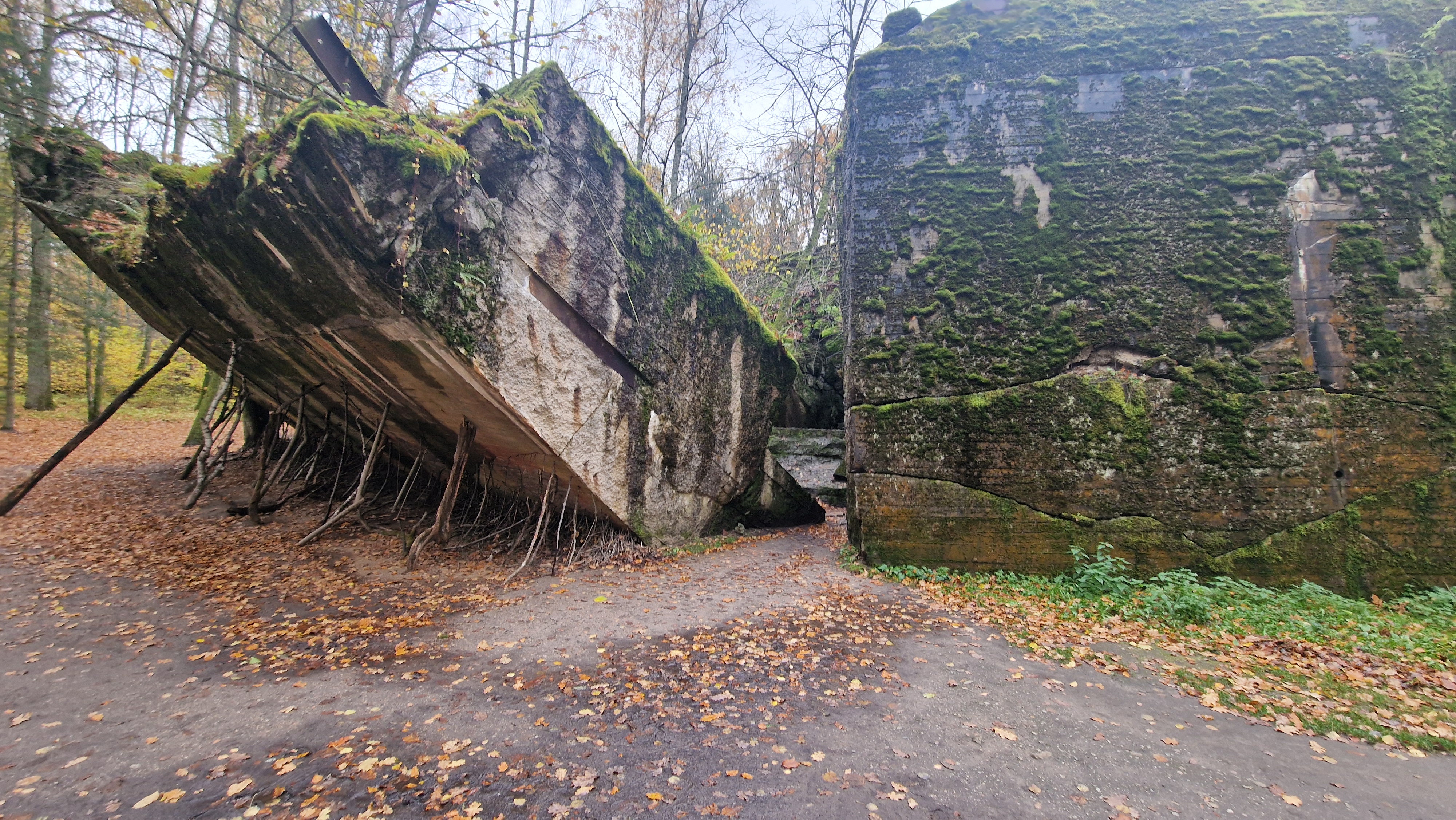
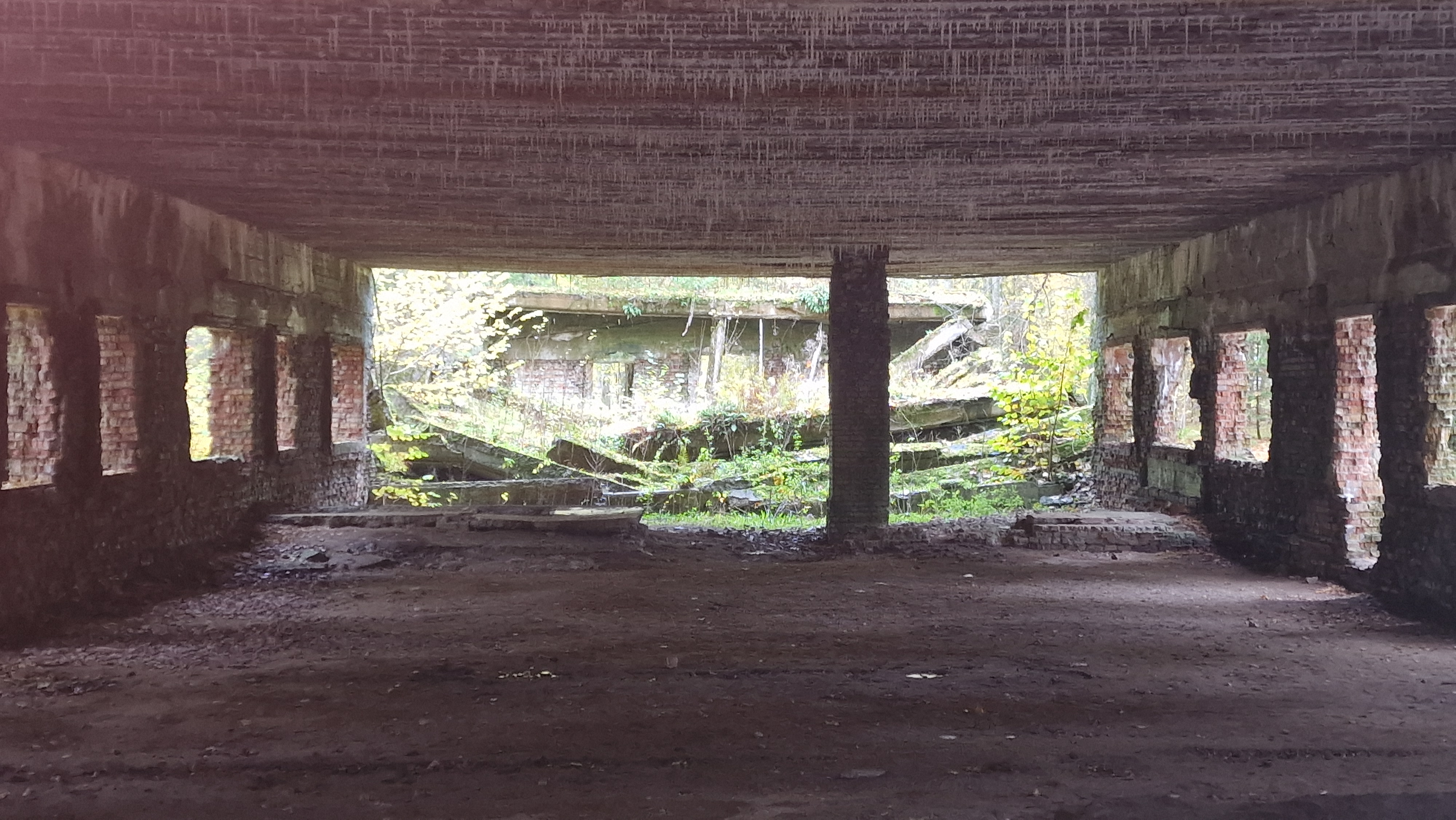
My final day in Ketrzyn was where it revealed the darker chapter of its history. Hidden by sprawling woodland is Wolfsschanze, or the Wolf’s Lair, where Adolf Hitler lived and operated for the majority of the Second World War, and where a notorious attempt on his life narrowly failed. Without an audio guide, you’d hardly know that this strange location was once the centre of the Nazi war machine. In an attempt to cover their tracks and wrongdoings as Soviet forces closed in, the Germans tried to destroy their bunkers, leaving huge masses of concrete that loosely bear the scars and memories of a tyrannical regime. Fittingly, Wolfsschanze has been taken over by nature, as it is now covered in moss, vines and shrubbery.
North-eastern Poland has undergone great change throughout the last fifty years. It remains a land dominated by agriculture, but has seen communism fall and democracy rise. Towering apartment blocks remain, but they are now surrounded by modern infrastructure, as the prosperous effects of the EU are felt by the population. In actual fact, this is a pattern that is familiar- nations have long squabbled over this piece of land, asserting their influence through architecture and culture. This has created an area of fascinating interest and warm heartedness, that somehow remains the corner of Poland unseen by the foreign eye.
Thanks for reading my latest blog post on Your World Explored by me, Lewis Defraine. Feel free to offer your support, or even constructive criticism in the comments section below. A like would be greatly appreciated, and if you’d like to receive more articles from Your World Explored, you can also subscribe.



 Your World Explored
Leave a comment