
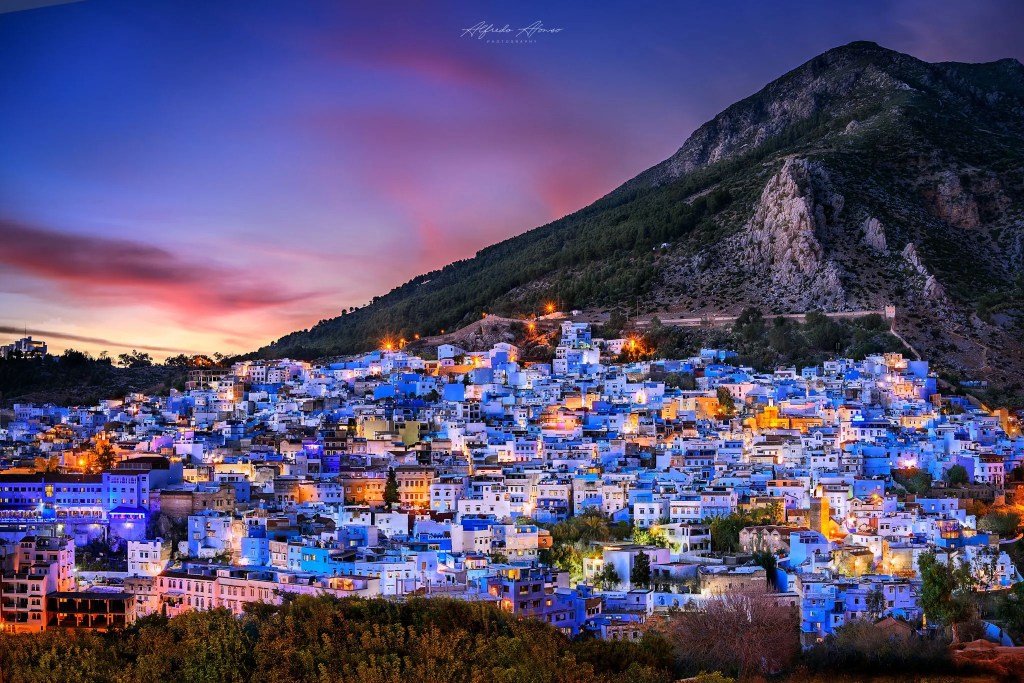
The Mediterranean Sea is arguably the biggest tourist hot-spot in the world. Hundreds of millions of holiday-goers flock to the region per year, in particular to countries like Spain, Italy and Greece, which are all amongst the most visited and sought after by Britons. Many of these destinations are some of the most budget friendly and convenient holidays in the world, giving those in Northern Europe an opportunity to hop on a three-hour plane flight and experience a strong, renowned (yet not too different) culture, whilst also getting the warm sun and beach holiday they desire. Look across to the other side of this vast sea however, and you see countries a bit further off the well-trodden path. You find Africa, and entirely new continent, with entirely different experiences. North Africa is a superb, vibrant mix of European, Arabic and more traditional African cultures, full to the brim of beautiful towns and cities that offer a unique blend of fascinating history, exciting adventure and rich cultural experience. If you’re looking for a close-to-home holiday, but want to discover a whole new world, greatly dissimilar to ours, then you may just want to read on, and find a way to explore North Africa perfect for you.
Overview of the region’s countries
Morocco
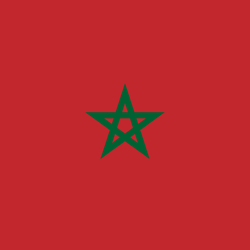
Morocco is perhaps the most culturally recognisable of the four countries we’re looking at, and it’s also the most visited. In a land often only imagined as endless dunes of desert, the nation has incredible diversity of landscape, from the Sahara in the south, to the imposing Atlas Mountains, surrounded with areas of surprisingly green scenery. Bending the rules suggested by this post’s title, Morocco’s Atlantic coastline features many enticing and popular tourist destinations, including the country’s largest city Casablanca and uniquely scenic Essaouira. The nation boasts debatably the most recognisable cuisine and culture in all of Africa, as tagine makes its way into many dinner tables in the UK, whilst it is home to the famous narrow-streets of medinas, which awakens the senses in a way like no other.
Algeria
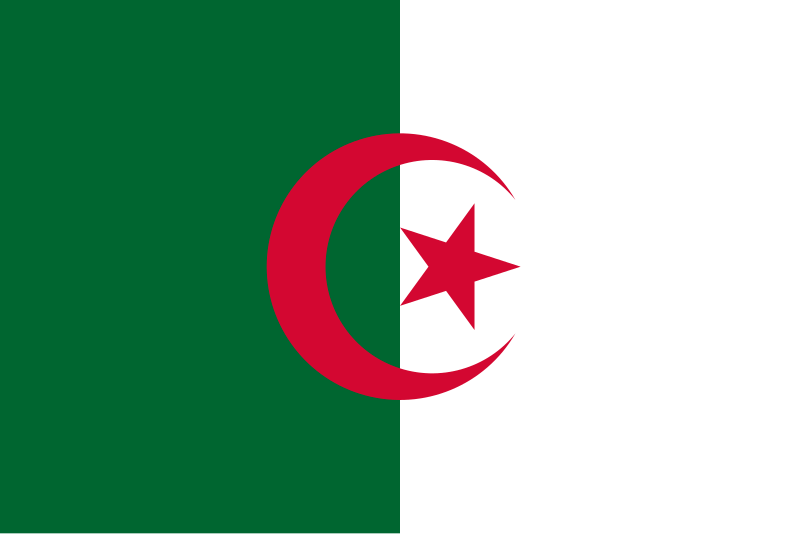
Algeria is by far the least visited of North Africa’s nations (excluding Libya), which makes it an undiscovered, untapped and cheaper alternative to some of the regions bigger names. The state shares diverse landscapes with Morocco, as there’s a huge contrast from the greener Mediterranean coastline to the Sahara Desert further inland. Algeria’s border with the sea blesses it with stunning seaside destinations, such as the capital of Algiers and major port city Oran. The nation’s obscure nature gives it a greater sense of adventure than the other three countries I’ll be writing about, whilst its many historical attractions such as Timgad and Djemila vary from the “desert escapades” on offer due to the state’s 80% Sahara covering.
Tunisia
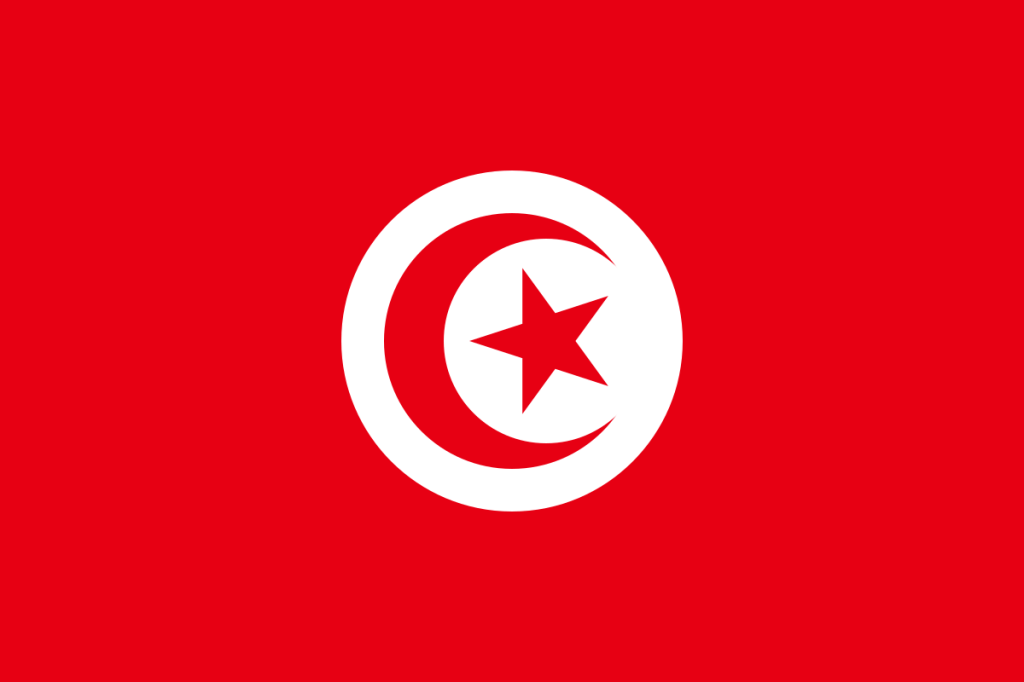
Tunisia is easily the smallest of the North African nations, yet it is comfortably the third most visited- there’s many reasons why this is the case. The country is known for having the most pristine and attractive beaches in the region, whilst also housing vibrant and bustling souks, where perhaps the greatest way to truly experience the area’s culture is on offer. Ichkeul National Park is a remarkable place to see- green shrubbery surrounds a magnificent lake in the north of the state, whereas man-made wonders are available in the form of the jaw-dropping ruins of Carthage, and ancient city of Utica, which showcase the nation’s diverse heritage. Indeed, Tunisia is a melting pot of cultures, with various European, Arab and Berber influences staking a claim in the country’s rich traditions.
Egypt
Despite receiving less annual visitors than Morocco, Egypt’s status as a major soft power is undeniable. The key driving factor behind the nation’s 15 million tourists per year is the huge historical status that it has in the world- millions flock to see astonishing monuments such as the pyramids and the sphinx. Despite the arguable case of dismissing Egypt as a only being destination that people are only interested in for the world’s wonders, a closer look suggests that’s not the case- it also houses spirited cities such as coastal port Alexandria, and alluring beaches, not only on the Mediterranean coastline. The state’s border with the Red Sea makes it a snorkelling and diving hot-spot, with the ocean being a remarkable ecosystem home to over 250 species of coral. In spite of it being known almost singularly as a destination to experience “landmarks” not a “culture”, there’s more to Egypt than meets the eye.
2024 visitors to each nation
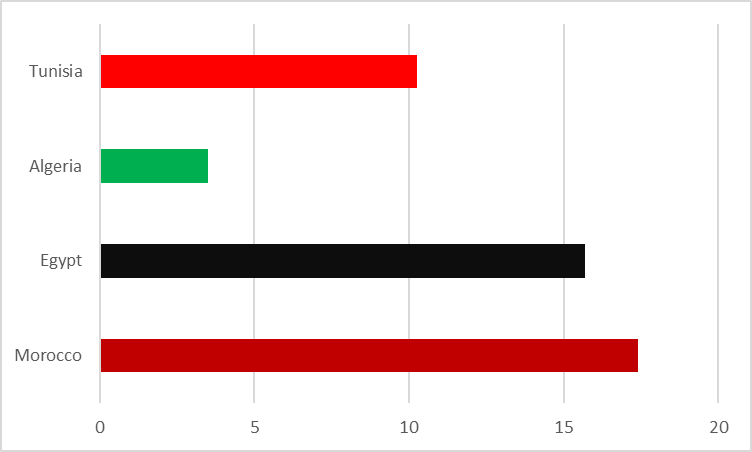
(Numbers in millions)
Best places to visit
Marrakech
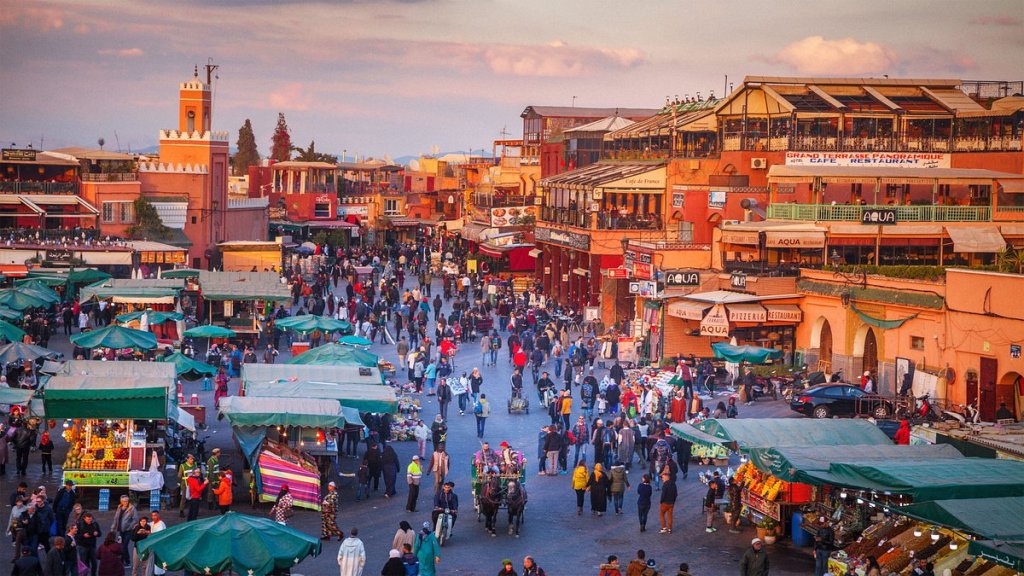
Located at the foot of the Atlas Mountains, Marrakech is the most visited city in Morocco, and as you’ll find further down, there’s some competition to that title. It’s often said to be the best place to truly sample Moroccan cuisine, whilst the “Red City’s” signature souks and markets offer a sensory experience comparable to no other- inside the medina, you’re immersed within hundreds of vibrant hues, smells of fragrant spices, and sights seen no-where else in the world. If you’d like to stray away from the 11th century, bustling, narrow streets, then rapidly developing Gueliz might be somewhere to visit, as it plays residence to many newer shops and restaurants. For a deeper historical escapade, you can explore sites such as Bahia Palace and the Saadian tombs, or visit some landmarks like the uniquely-built Kutubiyya mosque. In point of fact, Marrakech has activities for all personalities, and if you’d like to escape a little of the madness, the city’s riads and gardens give a much more tranquil form of entertainment. The “Red City” has almost as much to offer as it’s magnificently imposing Atlas Mountains backdrop.
Casablanca
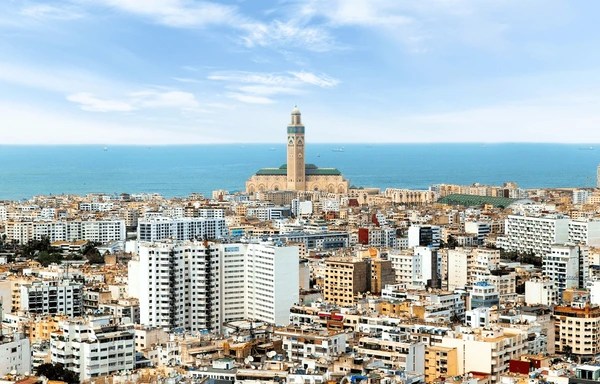
The skyline of Casablanca is quite something- towering over hundreds of closely compacted white buildings is the iconic Hassan II mosque, which is amongst the most beautiful in the world. Beyond that is a stunning azure view of the Atlantic Sea stretching out towards the horizon. Much of the city is a distinctive blend of more traditional Moroccan and colonial French architecture, which adds to its already-vastly different look from other major places in the nation. Casablanca isn’t just Morocco’s largest city, it’s also a major port and coastal hub for the state. La Quartier Habous and the Corniche are amidst the best places to visit, as they’re a superb place to experience traditional culture, find more modern shops, and a take scenic walk along the impressive promenade, which is home to many beach clubs and cafes that look out onto the Atlantic. The city seamlessly connects both modern and traditional, creating a lively, sparkling area full of festivals and events, whilst also offering a more authentic and relaxing experience in its tight, narrow streets and magnificent beaches. It’s also somewhere with the greatest Western influence in the country, gifting tourists home comfort, an authentic taste of Morocco, and a relaxing pool-side opportunity to unwind.
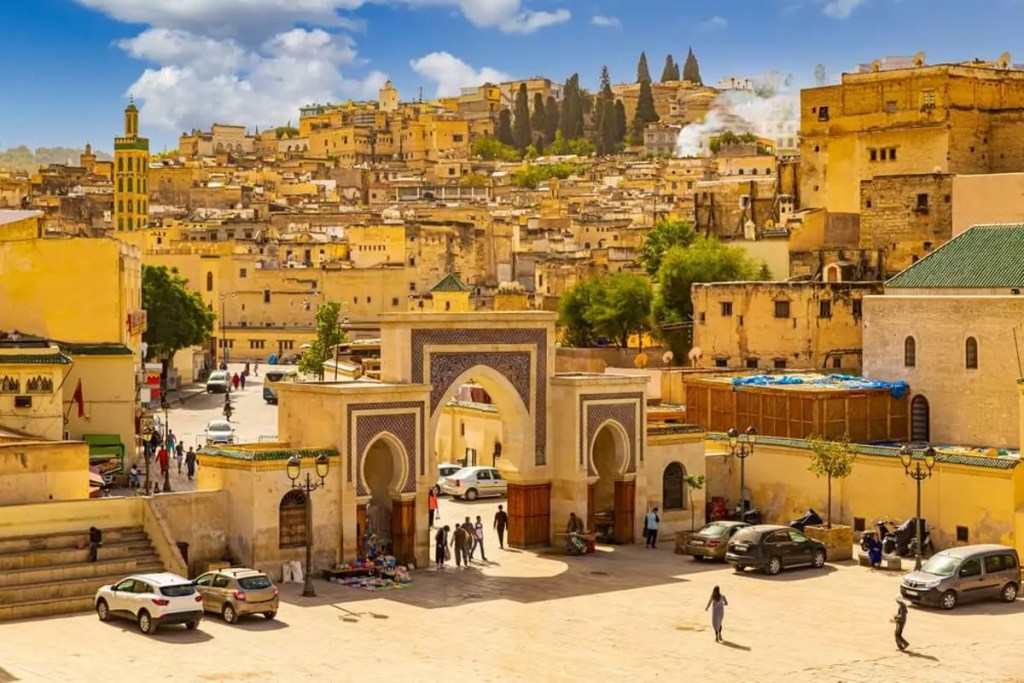
Fes
When most people picture Morocco in their heads, it’s probably here that they imagine. Fes is surrounded by hugely imposing stone fortifications, which protects the magnificence inside. The city’s compact, tightly cobbled together buildings, which blanket the gentle rolling hills of greenery, house the purest version of Moroccan culture available. Maze-like streets weave their way through leather tanneries with all the colours of a spectrum, intricately magnificent pieces of architecture and artisan shops and restaurants, whose rich aromas float in the warm African air. With its Arabic-style handmade carpets, stalls selling huge masses of dates, nuts and confectionaries, and mismatched, sand-coloured buildings doesn’t only give tourists a greatly immersive cultural experience, but also a fascinating insight into the nation’s past.
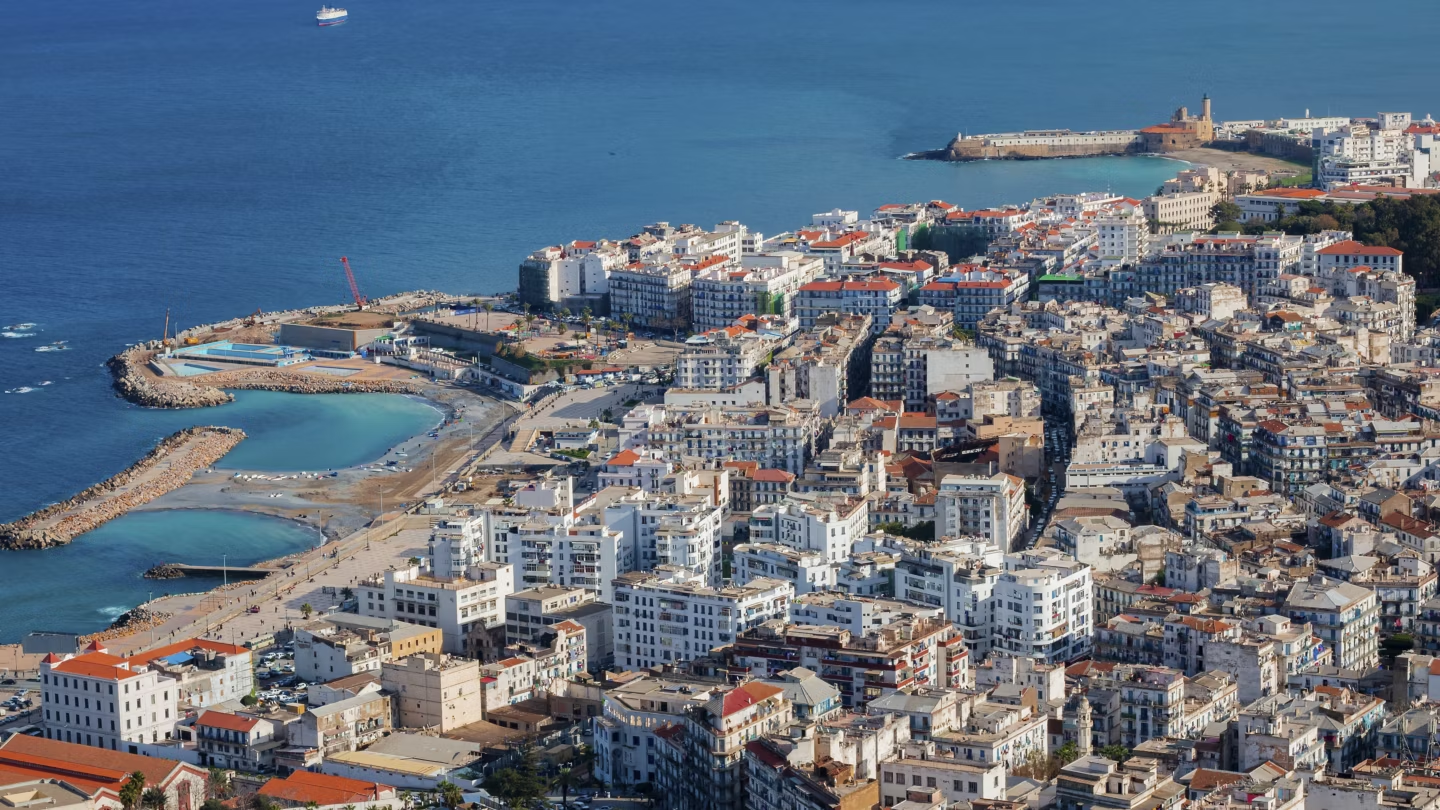
Algiers
If you want to visit Algeria, then its near namesake capital is perhaps your best option. A major port city, Algiers is known for its historical casbah (medina), which is characterized by its twisting narrow lanes, and Ottoman-style architecture- it has been an UNESCO World Heritage site since 1992. The country is influenced by various former rulers, such as the French, Romans and Arabic, which shines through to its capital, with multiple different building styles being showcased throughout, and also through the city’s many museums, art galleries and cultural centres. There’s a deep yet appealing level of contrast, due to the old, more traditional medina and more modern, Westernized thriving areas. Algiers looks out onto the Mediterranean, however it its built on the Sahel hills, which separate the greener coastal areas from the arid Sahara that covers most of the nation. The city’s mix of old and new, different cultures and contrasting landscapes bestows it with the title of must-visit for any tourist in Algeria.
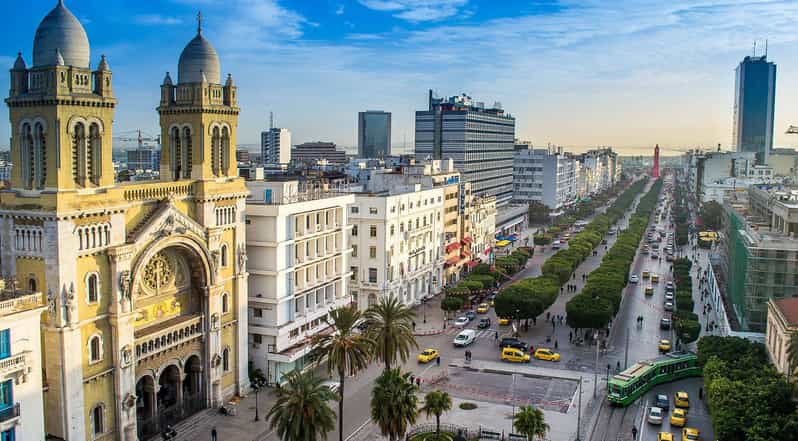
Tunis
Tunisia’s capital and largest city by a huge margin is one of the most underrated destinations in the region, due to its famous Carthage ruins, bustling medinas, stunning seafronts and notably warm hospitality. Admittedly, for many the ancient Roman ruins formerly mentioned grab the headlines and attention- to a point rightfully so. Founded by Phoenicians, the fascinating story of this huge settlement explains that it was once a trading powerhouse and hub for the Mediterranean, until a Roman conquest in the 2nd century BC. Tunis’ souks house many of the hidden gems which others in the region do, including fabrics, spices, ceramics, carpets and local crafts, whilst also having a reputation for being a swarming sensation to the senses. A slight venture out the city and into the desert opens up many more thrilling experiences, such as camel riding. Visiting the imposing Cathedral of St Vincent de Paul gives an engrossing look into how diverse the region is, whilst Kasbah square is a notable display of Tunisian nationalism, with many of the nation’s flags surrounding a large central monument. In many ways, Tunis is an untapped, affordable wonder waiting to be found by more than the 10 million tourists to visit the country per year.
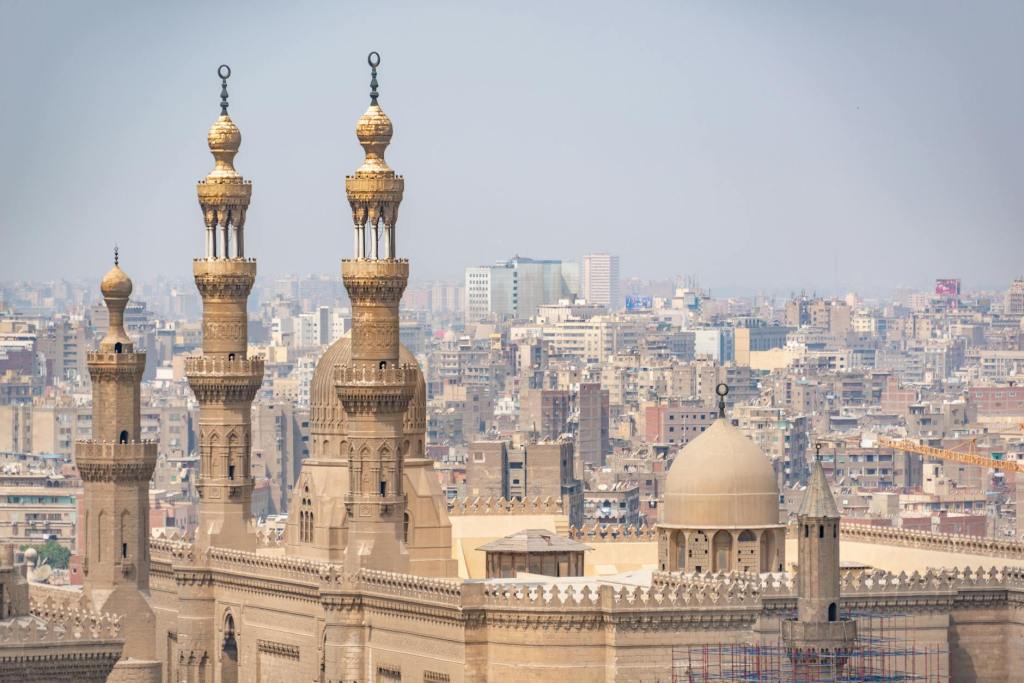
Cairo
With over ten million people, Egypt’s capital is amongst the top three largest cities in Africa. The metropolis gives access to many of the country’s most famous attractions, whilst also offering a unique cultural experience at the same time. Egypt’s cuisine is often considered lesser compared to other nations, however Cairo’s culinary scene begs to differ, as traditional dishes and diverse street food is on offer. As stated previously, you can access major landmarks such as the Pyramids of Giza, Egyptian museum, Nile River and Khan Al-Khalili- a bustling, thriving bazarr housing anything from various spices to holiday souvenirs. It may not be as jaw-dropping as the pyramids, but the Al Azhar mosque dominates Cairo’s skyline and captivates imaginations when viewed close up due to its imposing size and many minarets. The city’s rich history is captured in its UNESCO World Heritage core, where mismatched buildings climb up and down the gentle hillside, underneath swaths of urban smog, which serves as a reminder to the fact the metropolis is a huge economic centre, not just for Egypt, but for Africa as a whole.
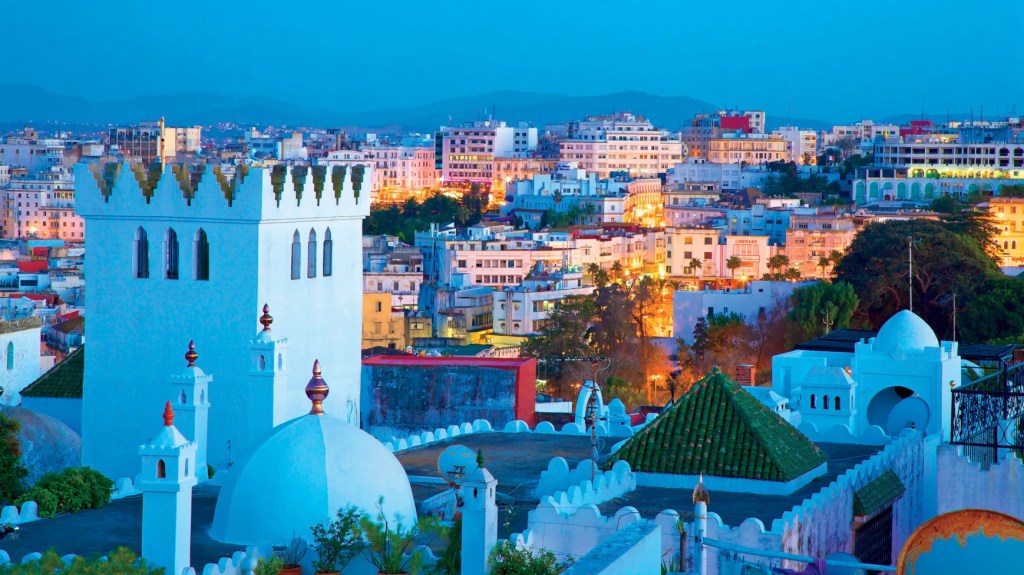
Tangier- this strategically important city located on the Strait of Gibraltar has been influenced by many different civilizations, such as the Romans, Byzantines, Vandals, Arabs and Portuguese. Tangier has good connection links with other major cities and is home to some of the best cuisine in Morocco, including mint tea. It also features stunning beaches of golden sand and clear water, whilst also having a historic side with its fortified citadel called the Kasbah, which doesn’t just serve as a museum and garden nowadays, but as a panoramic viewpoint and white jewel on the city’s skyline.
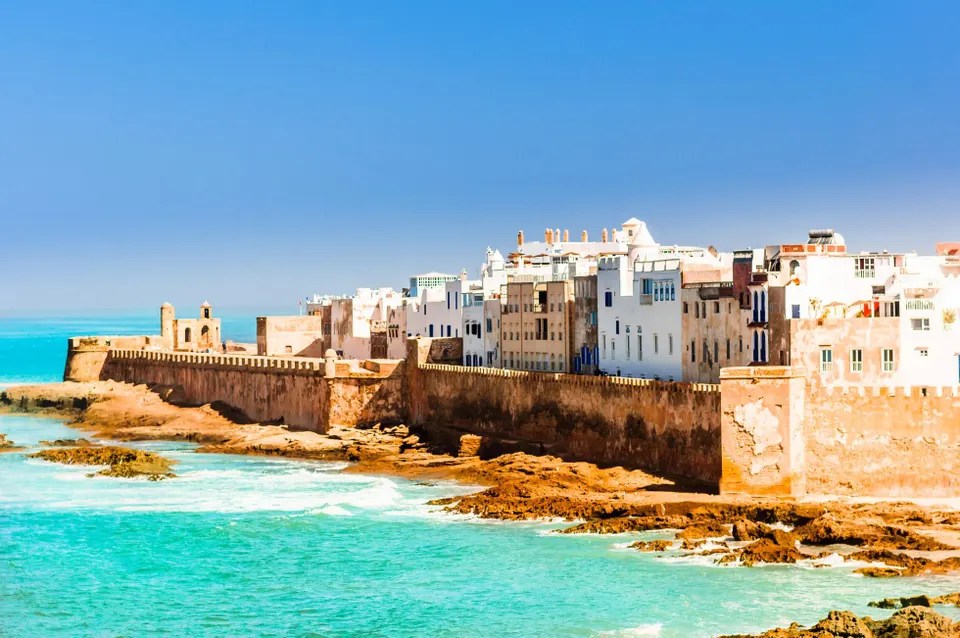
Essaouira- a charmingly beautiful coastal town, Essaouira’s seafront includes attractive white-washed buildings and a more fortified promenade, blending French, Portuguese and Berber influences. The destination’s strong winds and pretty fishing port pull masses of windsurfers and surfers per year, and it’s one of the capitals of the world for those sports. Essaouira gives vistors as a relaxing cultural stay with its beautiful nearby beaches and historic narrow street-filled medina. Arguably the prettiest of all major Moroccan options, this eye-catching coastal town has a gloriously laidback feel.
Chefchaouen- yet another destination with more vowels than its own good, the stunning blue-washed buildings of Chefchaouen are nestled amongst beautiful surrounding country-side hills, and challenge Essaouira for its most attractive title. This striking inland town’s cobbled lanes are lined with traditional leather tanneries and weaving workshops, gifting it a truly authentic feel. When you admire the pictures, you truly notice that Chefchaouen is a magical place like no other, due to its unique blue architecture. Founded in 1471, it’s also bathed in history and many museums are on offer to tourists, whilst its Rif Mountains location adds to a mystical atmosphere.
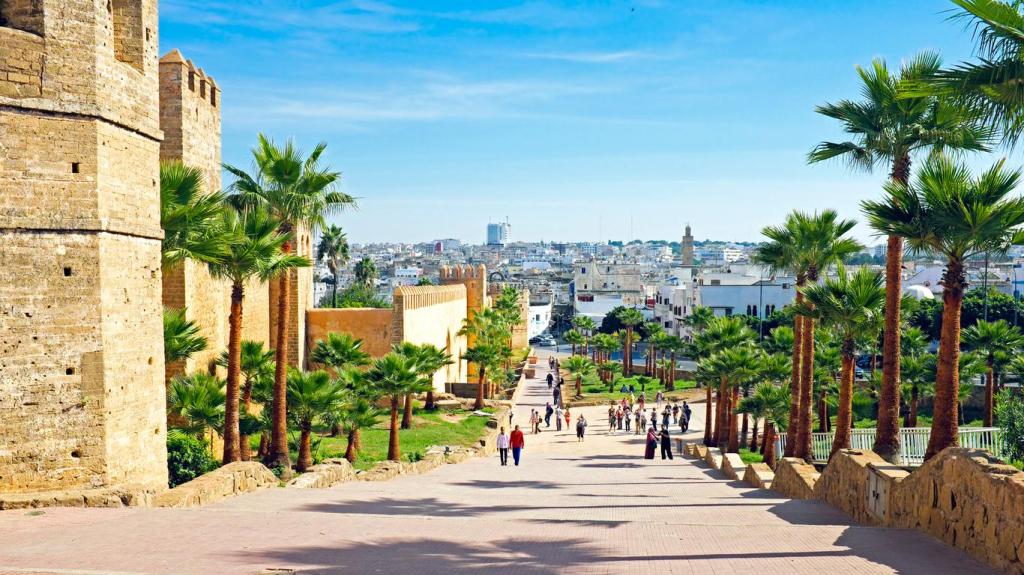
Rabat- Morocco’s capital encapsulates its nation pretty well. Steeped in rich history, it mixes old and new in a relaxed atmosphere. The city’s medina is one of the country’s more spacious, and sells things such as regional ceramics, spices and jewellery, whilst being overlooked by Great Mosque’s towering minaret. Rabat has experiences for all personalities, as major attractions include the stunningly green Jardin d’Essais, sandy beaches like the Plage des Nations, and the mazy Kasbah de Oudayas. The capital’s modern touch is seen with modern shopping facilities run by major brands, whilst Rabat’s culinary scene is dominated by a blend of traditional Berber and newer French flavours- it’s a relaxed dynamic blend of cultures that sums up Morocco almost perfectly.
Constantine- the commercial and industrial centre of Algeria’s east is known as the “City of Bridges” due to its many magnificent ones that criss-cross over the surrounding awe-inspiring canyons. French colonial influence is clear to see in Constantine, with many street corners looking as if they’ve been handpicked from Paris, whilst the Amir Abdel Kader mosque is a stunning example of Algerian architecture in the 2015 Arab Capital of Culture. The city is idyllically located in the country’s dramatic inland landscape, offering opportunities to showcase engineering marvels such as the picture-perfect Sidi Rached Viaduct.
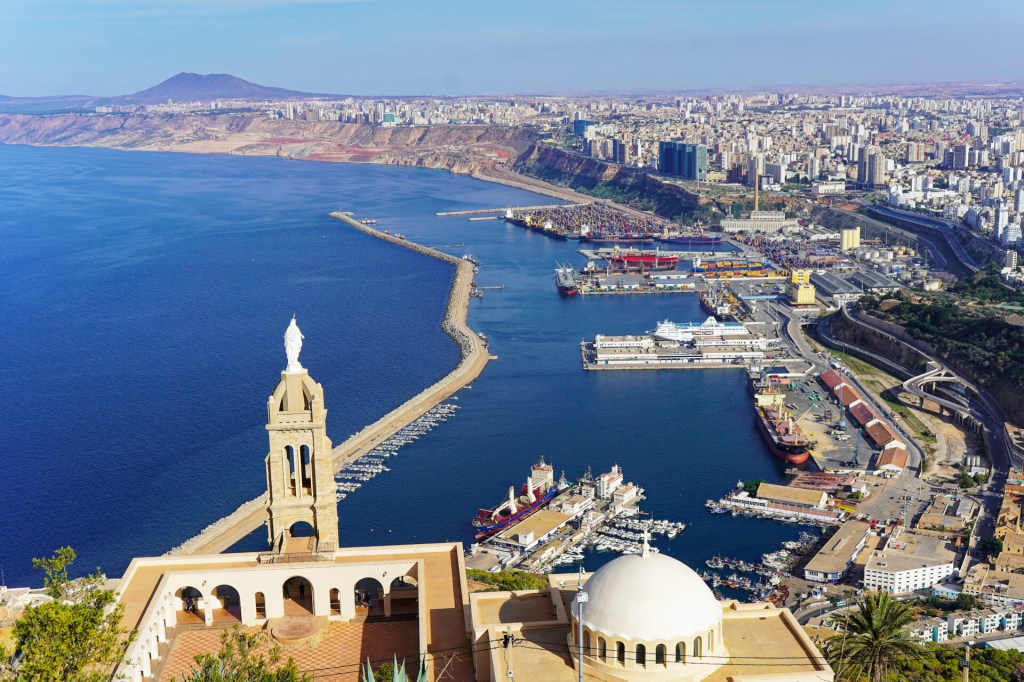
Oran- this coastal city of nearly 650,000 people houses a major port, brilliant beaches, and is an excellent tourist destination. Algeria’s colonial past also shines through here, gifting the city a rich history, varied attractions and diverse cuisine. The birthplace of “Rai” (the country’s folk music) features many stunning landmarks, such as the hill-top Fort Santa Cruz, which offers spectacular views of the city, Oran’s magnificent synagogue, highlighting the region’s mixed religious heritage, and the remarkable Place du 1er Novembre square, that serves as a social hub and major train station for the destination. Mixed in with areas of history are Oran’s huge modernization efforts, which offer visitors a more West-aligned experience, whilst if you’d like to see a bit of nature, then the city’s extensive scuba-diving options might be for you.
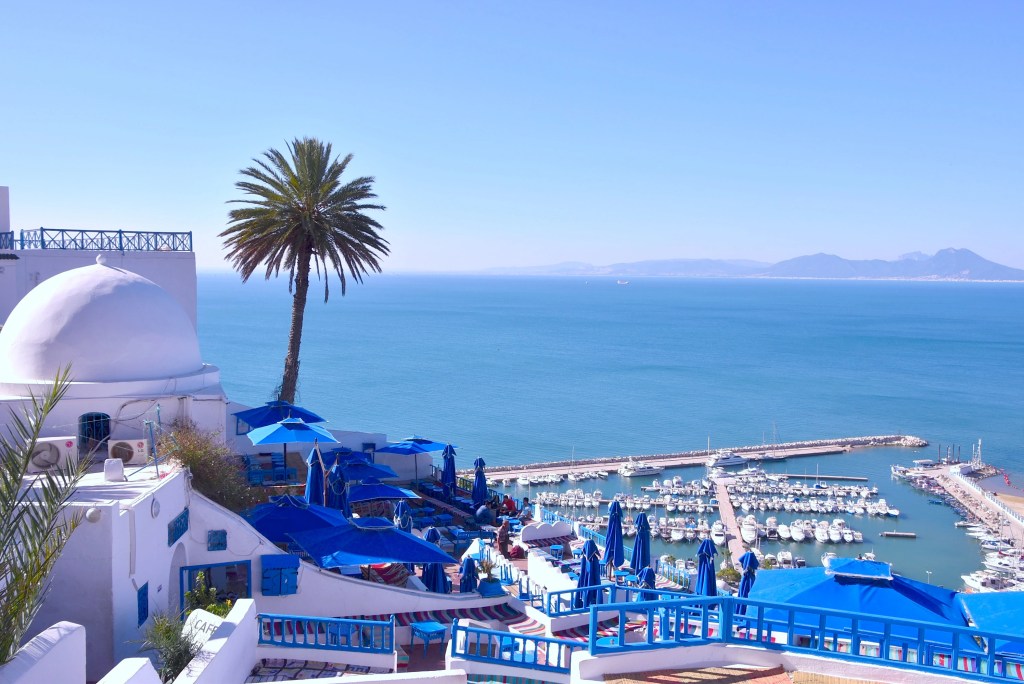
Sidi Bou Said- despite being modest in size, this African version of Santorini always come up when looking at the best of what Tunisia has to offer. White-rendered houses lined with blue darker than the glistening sea that they overlook blanket the gentle hillside, whilst charming narrow streets housing artisan shops, galleries and cafes cut through them. Sidi Bou Said is often visited as a daytrip from capital Tunis, and its spectacular Gulf of Tunis view offers a superb escape from the urban environment. The town also includes some of North Africa’s signature narrow-streets, but in beautiful fashion.
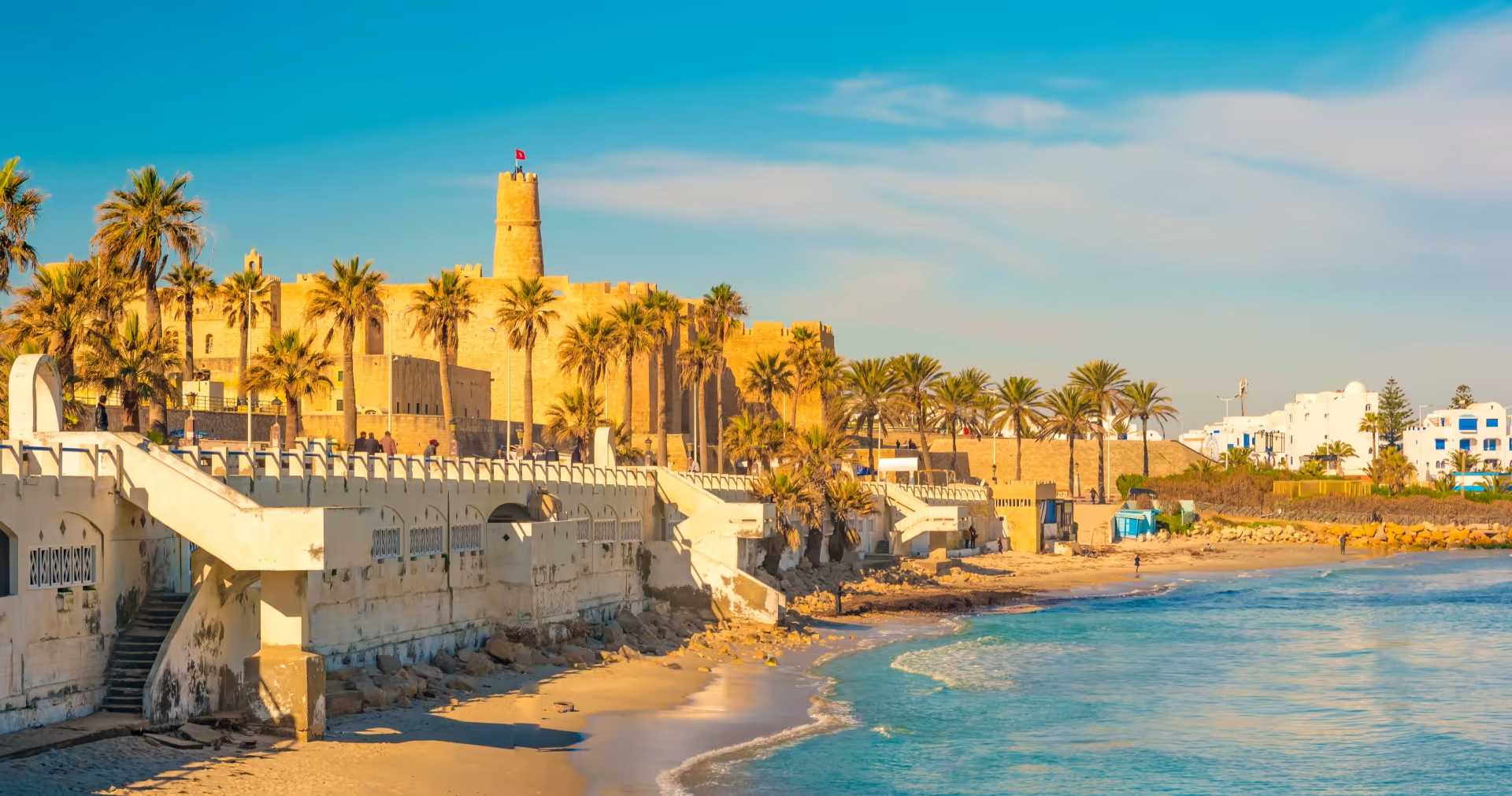
Hammamet- this coastal resort is popular due to its stunning beaches, historical sites and vibrant nightlife. Lengthy beaches and calm seas create an ideal environment for relaxation and water activities, whilst the Yasmine area houses a magnificent, modern yet traditional-styled marina, which includes many hotels, shops and restaurants. The historical side of Hammamet is shown in its medina, and the Kasbah offers brilliant panoramic view of the town and Mediterranean Sea. Combined with Sidi Bou Said, this destination adds brilliantly to a Tunisian holiday centred in the capital of Tunis.
Luxor- famed for its ancient temples, tombs and landmarks, Luxor is often referred to as the “World Largest Open Air Museum”. This Egyptian city houses well-preserved sites such as Karnak Temple, Luxor Temple, the Valley of the Kings, Temple of Hatshepsut and Colossi of Memnon. Divided in two by the Nile River, the city is actually a very modern one, containing a bustling centre, markets, hotels and tourist centres, making it a fascinatingly unique blend of old and new. Luxor gives close access to many of Egypt’s biggest and greatest landmarks, whilst offering its visitors a big-city feeling at the same time.
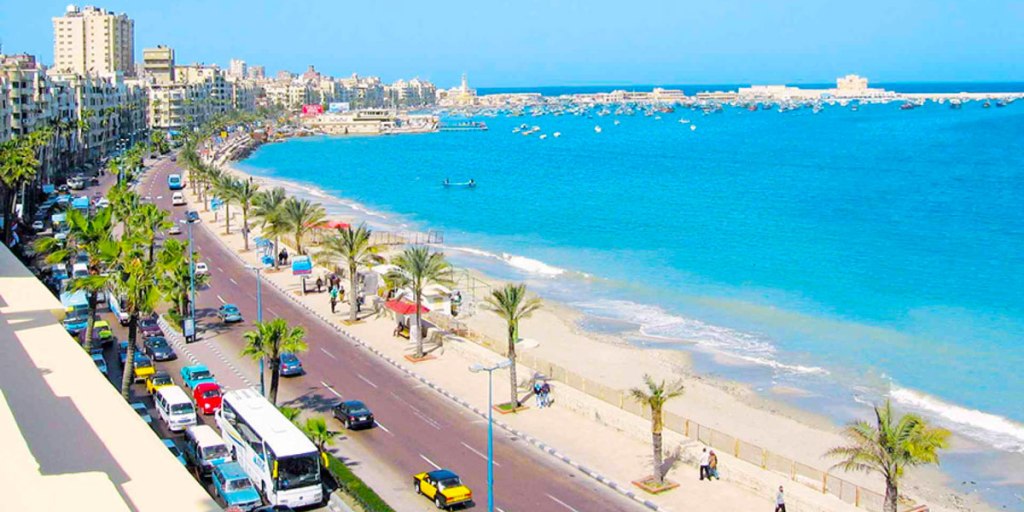
Alexandria- this is a captivating coastal port city rich in history and culture is often referred to as “the Bride of Mediterranean”. Alexandria boasts a unique blend of European and Middle-Eastern influences, gifting tourists a fascinating experience. Major attractions include the magnificent coastal Citadel of Qaitbay, futuristic Biblioteheca Alexandrina, historic Catacombs of Kom el Shoqafa, as well as the city’s beautiful corniches and beaches. The city has been a centre of learning and trades for centuries, which is one of its major selling points today. Alexandria is arguably the best all-round destination in Egypt, due to the way it combines relaxation through its beaches, culture through its corniche and library, and history through its dozens of ancient landmarks.



Best cuisine to sample

Tagine
This Moroccan dish is arguably the most famous from North Africa, and is traditionally cooked in an earthenware pot. It typically contains meat (lamb, chicken or fish), a mix of vegetables, and a flavoursome sauce which contains spices, dried fruits and nuts. Tagine has a savoury, earthy yet complex taste with subtle sweetness and generally has not too much spice.

Harira
The most popular soup in Morocco contains tomatoes, lentils, chickpeas, meat (usually lamb or beef), herbs and various spices- these include cumin, cinnamon, ginger, paprika and turmeric. Harira is hearty and flavoursome, whilst bringing a warming feeling to those who eat it.
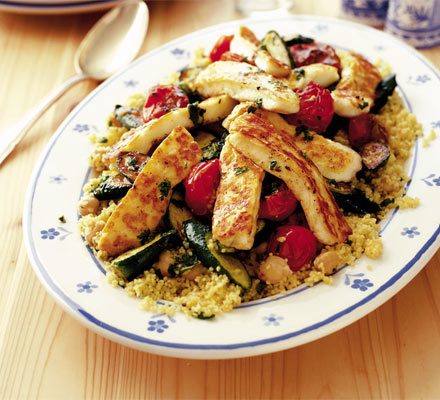
Couscous
This type of pasta made from semolina and durum wheat has become synonymous with the region, and is a crucial cornerstone in many dishes and cuisines due to its versatility. Couscous can be used as a side dish, as the base of a meal or in a salad, making it one of the most common ingredients in North Africa.

Mint Tea
This famous Moroccan drink is made by steeping fresh or dried mint in hot water. Not only is it a soothing and refreshing beverage, it also has numerous health benefits including digestive aid, stress reduction and improved focus. It is either made of spearmint or peppermint tea, possibly a combination of both.
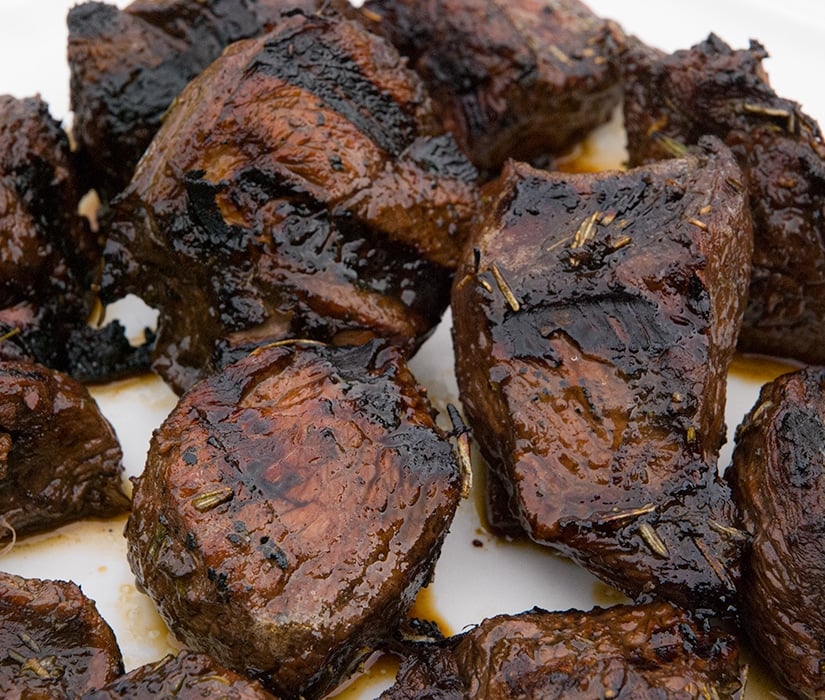
Mechoui
This Moroccan/Algerian consists of lamb or goat spit-roasted whole over a pit or large clay oven. The meat is known for being incredibly tender and is marinated in spices like cumin, coriander, paprika and cinnamon, however is often characterized by simplicity rather than complexity.
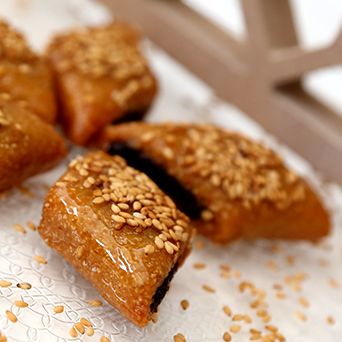
Makroudh
This Algerian desert is a diamond-shaped cookie/pastry usually filled with dates and nuts or almond paste. They are semolina based and soaked in syrup, giving it a exceptionally sweet taste.
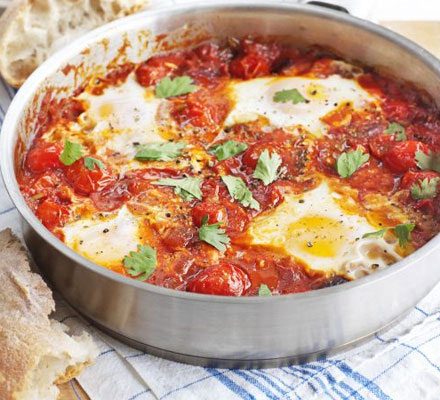
Shakshuka
This meal provides stiff competition to tagine for the most famous dish from North Africa. There’s a bit of debate on where it truly originates, however its said to be Tunisia. Its a dish of eggs poached in tomato sauce, olive oil, peppers, onion and garlic, spiced with cumin, paprika and cayenne pepper. Best of all its cooked in the same pot, giving it a rich and complex flavour.
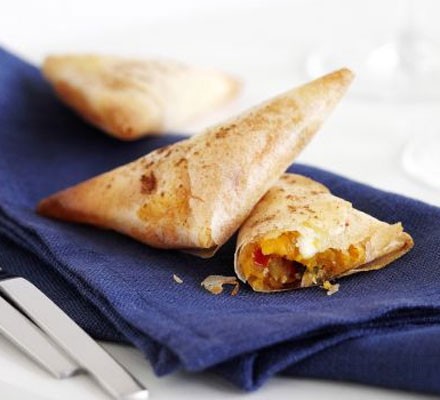
Brik
This Tunisian snack is a stuffed malsouka pastry, which is usually deep fried. In its best known form, it contains egg, tuna, onion, harissa and parsley. Other possible ingredients include meat, cheese and various other vegetables.
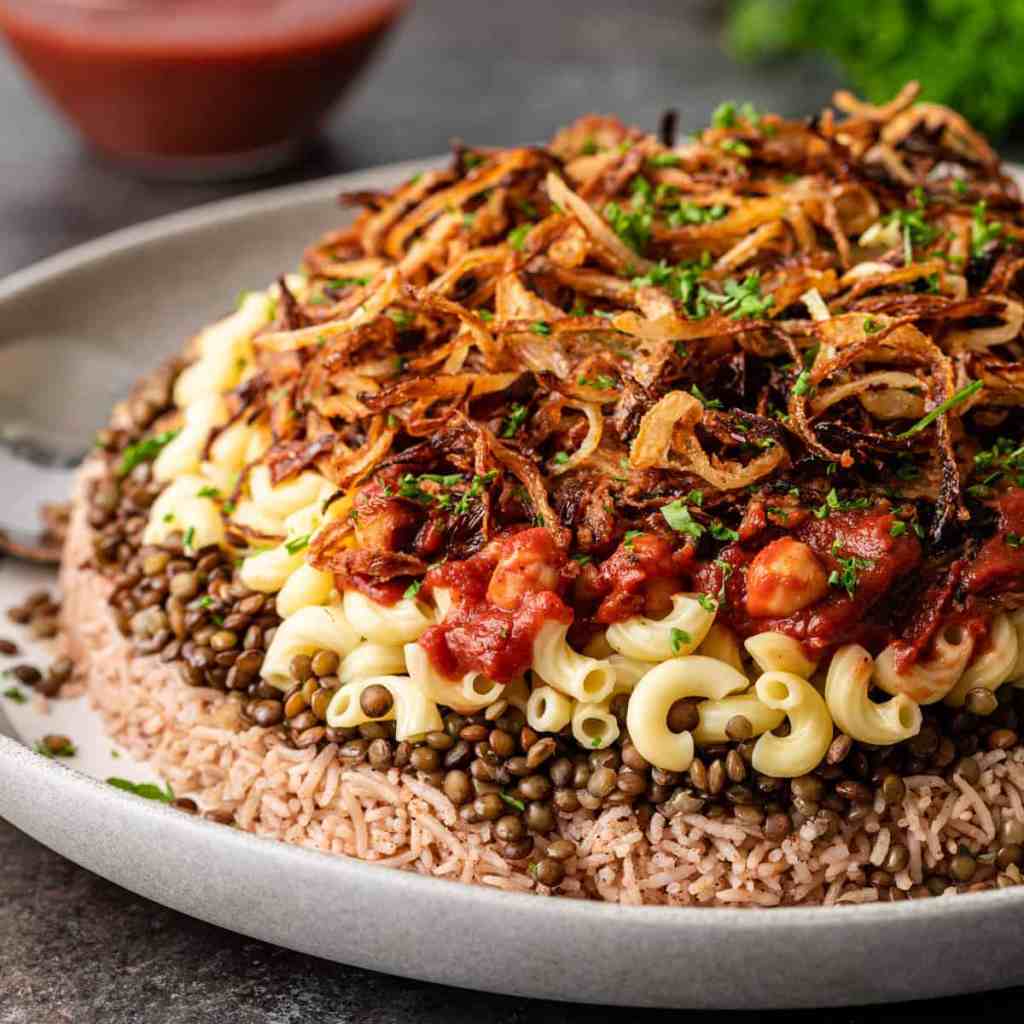
Koshary
Egypt’s national dish mixes pasta, fried rice, vermicelli, brown lentils and chickpeas, which is usually topped with garlicky tomato sauce, garlic vinegar and fried onions- it is often eaten as a street food. Despite using relatively basic ingredients, the meal is bursting with flavour, and often includes some hot sauce.
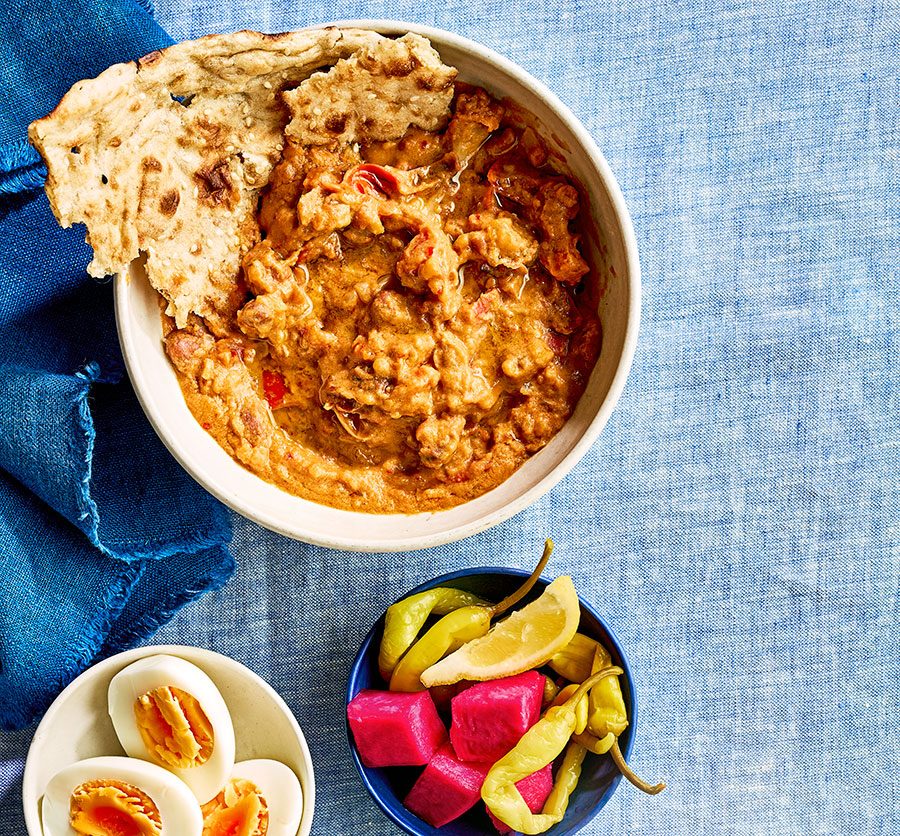
Ful Medames
Perhaps Egypt’s most famous dish, Ful Medames is a stew of cooked fava beans served with olive oil, cumin, lemon juice, chilli pepper and other vegetables, herbs and spices. It is traditionally made in and served out of a traditional metal jug. The fava beans give it a hearty flavour, whilst it also has a mix of tastes due to various ingredients, including spice from the chilli.
North African nations compared
In fairness, the annual number of visitors each of the four nations receives paints a pretty good picture of the current quality of holiday. Morocco and Egypt are well ahead yet close together, both being significantly more tourists than Tunisia’s 10.25 million in 2024, with 17.4 and 15.7 respectively. Algeria however, perhaps unjustly lags behind its fellow North African states, with 2 million. Admittedly, the country just doesn’t have the same infrastructure, cuisine and cultural experience as the two front runners at the moment, but it may deserve to be a little closer to neighbour Tunisia. In my opinion, Morocco serves as by far the best well-rounded holiday, due to its unique combination of a rich past, vibrant cuisine, distinct culture and sizeable tourist infrastructure. This certainly doesn’t tarnish Egypt however, as the state houses a staggering amount of magnificent ancient landmarks glazed in history, whilst also giving visitors many thriving cities to choose from.
Tunisia lacks some of what my gold and silver medallists do, however it is still a brilliant destination, and the most budget-friendly of all the countries, gifting its visitors a glorious coastline and monuments such as the staggering city of Carthage. This leaves the most untapped of all four, Algeria, as the taker of my wooden spoon. It feels particularly harsh to have a nation so special and influential bottom, especially with its attractive cities and unique French-African blend, but unfortunately it’s the 2nd least affordable destination after Morocco, therefore given the absence of some aspects of the experience in the country’s I have on my podium, its place in the top three is clearly untenable. It’s imperative not to go through this whole article and not mention Libya, however it is sadly currently a war-torn underdeveloped state with no clear holiday destinations whatsoever and does exceptionally well to get any of the just under 100,000 annual visitors that it does.
Best tips for travel
- Tipping is not mandatory, but accepted- 10-15% is generally seen respectfully.
- The currencies of Morocco, Algeria and Tunisia are closed, meaning you can only access them within the nations themselves.
- In Algeria and Tunisia, tap water is officially unsafe, whilst in Egypt it is unadvisable to drink due to high levels of chlorine.
Thankyou for reading this post about the thrilling other side of the Mediterranean (North Africa) by me, Lewis Defraine. If you’d like to access more articles from my Your World Explored blog, feel for to subscribe to receive notifications when upcoming work is released, or take a general browse to see what else is on offer now. A showing of gratitude by liking or leaving a comment at the bottom of the page would be greatly appreciated, and if you’d like to have your say in the community, you can vote for the best North African tourist destination below.
Fes photo- Barcelo, Algiers photo- British airways, Tunis photo- get your guide, Cairo photo- bea adventurous, Tangier photo- GQ, Essaouira photo- Forbes, Chefchaouen photo- travel talk tours, Rabat photo- kayak, Constantine photo- kayak, Oran photo- new lines magasine, Sidi Bou Said photo- expedia, Hammamet photo- last minute, Luxor photo- Britanicca, Alexandria photo- Egypt tours portal, Tagine photo- BBC good food, Harira photo- BBC good food, Couscous photo- BBC good food, Mint Tea photo- BBC good food, Mechoui photo- BBC good food, Shaksuka photo- BBC good food, Brik photo- BBC good food, Ful Medames photo- BBC good food, Featured image- Locationscout. Morocco annual tourist data- UN tourism, Egypt annual tourist data- Egyptian Prime Minister, Tunisia annual tourist data- Arabian Gulf Business Insight, Algeria annual tourist data- tourism review.





 Your World Explored
Leave a reply to Dr Mark D Mosley Cancel reply